 By admin
 Encountering small white bumps at the back of your mouth can certainly be disconcerting, often leading to a cascade of health-related inquiries. This unexpected visual, frequently accompanied by concerns like persistent bad breath or a subtle scratchiness in the throat, can subtly erode the comfort of daily interactions, from casual conversations to savoring meals. The unease can intensify when these issues persist, potentially impacting your self-assurance in various social settings. Imagine if gaining clarity on this common phenomenon and integrating a few simple, consistent daily habits could empower you to reclaim control over your oral well-being. This article aims to do precisely that, guiding you through the underlying causes and manifestations, and ultimately revealing practical strategies for enhanced oral comfort.
What Those White Bumps in Your Mouth Often Represent
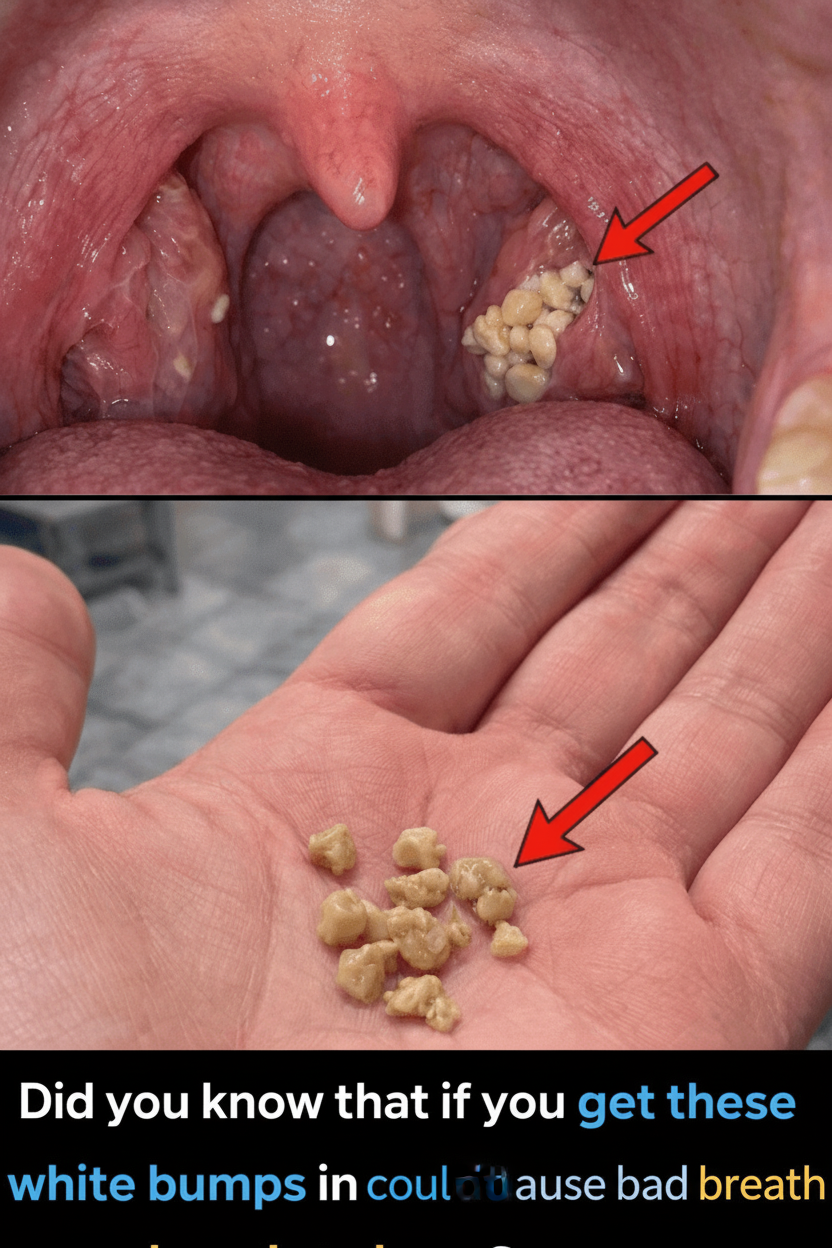
Many individuals commonly observe small, often white or yellowish, formations nestled within the intricate folds of their tonsils—the lymphatic tissues situated at the rear of the throat that play a crucial role in immune defense. These minuscule accumulations, frequently referred to as tonsil stones or tonsilloliths, are essentially compacted collections of routine oral debris that become ensnared within the tonsillar crypts and gradually solidify. Esteemed health authorities such as the Mayo Clinic and WebMD elaborate that these formations typically comprise a mixture of food particles, oral bacteria, mucus, and shed epithelial cells, which coalesce and calcify into small, sometimes pebble-like, deposits.
The reassuring news is that, for the vast majority of people, these white bumps are entirely benign and do not indicate a severe underlying health condition. Nevertheless, they can certainly create an irritating sensation, often described as something perpetually lodged in the throat, or contribute significantly to persistent bad breath that seems impervious to regular brushing. The pivotal insight, however, lies in comprehending their formation; once this process is clear, it becomes considerably simpler to appreciate how modest adjustments to your daily regimen can profoundly enhance your overall oral comfort. Having dedicated over a decade to crafting accessible health content, I’ve consistently witnessed how understanding the common and manageable nature of these oral occurrences can swiftly alleviate concern. Rather than being harbingers of poor health, they are merely indicators that certain debris has found a temporary home in these concealed anatomical pockets. The ultimate goal, therefore, is to transition from initial apprehension to implementing practical, consistent strategies that foster your mouth’s natural equilibrium.
Common Factors Contributing to the Presence of White Bumps
You might be wondering, what exactly triggers the formation of these white bumps in the first place? The reality is that a combination of everyday factors contributes to their appearance, and recognizing these elements can shift your perspective from feeling overwhelmed to empowered. Extensive research highlighted across prominent dental health platforms consistently identifies several common patterns experienced by many individuals. Below are some of the most frequently cited contributing factors:
- Tonsillar Anatomy: The presence of natural, deep crevices or crypts within the tonsils can make some individuals more prone to trapping food particles, bacteria, and mucus.
- Reduced Saliva Production: Insufficient hydration throughout the day often leads to decreased saliva flow, which is crucial for naturally rinsing away oral debris. A dry mouth creates an ideal environment for material to accumulate.
- Inadequate Oral Hygiene: A lapse in consistent and thorough oral care routines can allow bacteria, food residue, and dead cells to build up more readily in the mouth.
- Throat Irritation: Chronic inflammation or irritation in the throat, potentially from allergies, post-nasal drip, or seasonal environmental changes, can also contribute to debris accumulation.
- Dietary Choices: Consumption of certain foods, particularly dairy products or sticky items, can leave behind more significant residues, making them more likely to get caught in tonsillar crypts.
What’s particularly insightful is the intricate interplay between these factors and your daily lifestyle. Consider, for example, experiencing a dry mouth after prolonged speaking or intense activity; this diminished moisture significantly reduces the mouth’s natural cleansing action, thereby facilitating the settlement of debris. Numerous studies, frequently cited by oral health specialists, underscore that grasping these interconnections serves as the foundational step toward proactively managing your oral comfort. Consequently, directing your attention towards adopting supportive daily habits—rather than fixating on the bumps themselves—often yields the most favorable and lasting outcomes for countless individuals.
Associated Symptoms and What They Signal
Beyond the direct visual observation of these white spots, it’s worth noting the various subtle indicators that some individuals experience over time, while others may remain entirely asymptomatic. Mindfully observing your body’s signals, without immediately jumping to alarming conclusions, can empower you to respond proactively and thoughtfully. Here are some commonly reported experiences:
- Unpleasant Taste: A lingering metallic or sour taste in the mouth that persists despite regular brushing and rinsing.
- Throat Sensation: An intermittent feeling of a foreign object or a rough sensation at the very back of the throat.
- Swallowing Discomfort: Slight irritation or a subtle difficulty when swallowing, particularly after consuming specific foods.
- Persistent Halitosis: Breath that feels noticeably less fresh, even immediately following a thorough oral hygiene routine.
- Spontaneous Dislodgement: The occasional expulsion of small, visible white or yellowish flecks from the mouth.
Understanding these accompanying signs is crucial: they often serve as your oral system’s gentle prompt that its natural balance could benefit from some additional attention and support. The encouraging news is that addressing these signals typically doesn’t necessitate complex interventions. Many individuals, like those I’ve engaged with through various health articles, discover that simple, consistent adjustments can make a profound difference in their daily oral comfort and confidence.