 By admin
 Demystifying Gray Hair: Natural Care Solutions & Activated Charcoal Benefits
The emergence of gray hair is a natural biological process, occurring as melanocytes within hair follicles gradually reduce their production of melanin—the vital pigment that gives hair its distinctive color. While primarily a hallmark of aging, several elements, including oxidative stress, nutritional intake, and genetic predispositions, can influence the timing of its onset. Many individuals opt for conventional hair dyes to conceal gray strands, yet a growing segment of the population seeks out milder, more natural alternatives due to concerns about synthetic chemicals.
Among these natural options, activated charcoal, widely recognized for its powerful absorbent qualities in various skincare and detoxification applications, has garnered considerable attention in hair care circles. Emerging evidence and personal accounts indicate its potential to help manage excess scalp oils, purify the scalp, and impart a delicate darkening effect on lighter or graying hair thanks to its potent black pigment. While scientific studies on activated charcoal for hair primarily focus on its efficacy in clarifying oily scalps, numerous anecdotal reports highlight its utility in homemade masks for achieving a temporary color enhancement. It’s crucial to understand that outcomes can differ significantly based on individual hair type, porosity, and application technique; it serves as a non-permanent, low-commitment method for those interested in experimentation.
Why Activated Charcoal is Gaining Popularity in Hair Care
Activated charcoal distinguishes itself through its highly porous structure, which enables it to effectively trap and remove impurities. When applied to hair, its unique properties can offer several advantages:
- Deep Cleansing: It assists in lifting away accumulated residue from styling products, environmental pollutants, and hard water minerals.
- Oil Control: Potentially reduces excessive sebum production, leaving the scalp feeling fresher and less greasy.
- Subtle Tone Enhancement: Can deposit a soft, ashy-dark shade that temporarily blends gray or lighter strands, offering a more uniform appearance.
Unlike conventional chemical dyes, activated charcoal rinses out progressively and bypasses the use of harsh chemical agents. Some users choose to blend it with conditioners or nourishing oils to facilitate application and provide additional hydration. Beyond these benefits, its natural origin makes it an attractive choice for those committed to clean beauty and holistic hair care practices.
Potential Advantages and Realistic Expectations
While activated charcoal will not reverse the natural graying process (as no food or topical treatment has been scientifically proven to do so definitively), it may contribute to an improved overall hair appearance in the following ways:
- Temporary Color Blending: The fine black powder can subtly deposit color onto porous hair shafts or gray strands, leading to a more integrated, blended look.
- Scalp Detoxification: Its adsorptive nature effectively draws out dirt, oil, and impurities, fostering a cleaner and healthier environment conducive to hair growth.
- Enhanced Volume: By eliminating product buildup and excess oils, hair can feel noticeably lighter, cleaner, and appear fuller.
It’s important to manage expectations, as the effects are generally short-lived, typically lasting only a few washes. Furthermore, individuals with naturally darker hair may observe minimal change compared to those with lighter or predominantly gray hair.
DIY Guide: Crafting an Activated Charcoal Hair Mask at Home
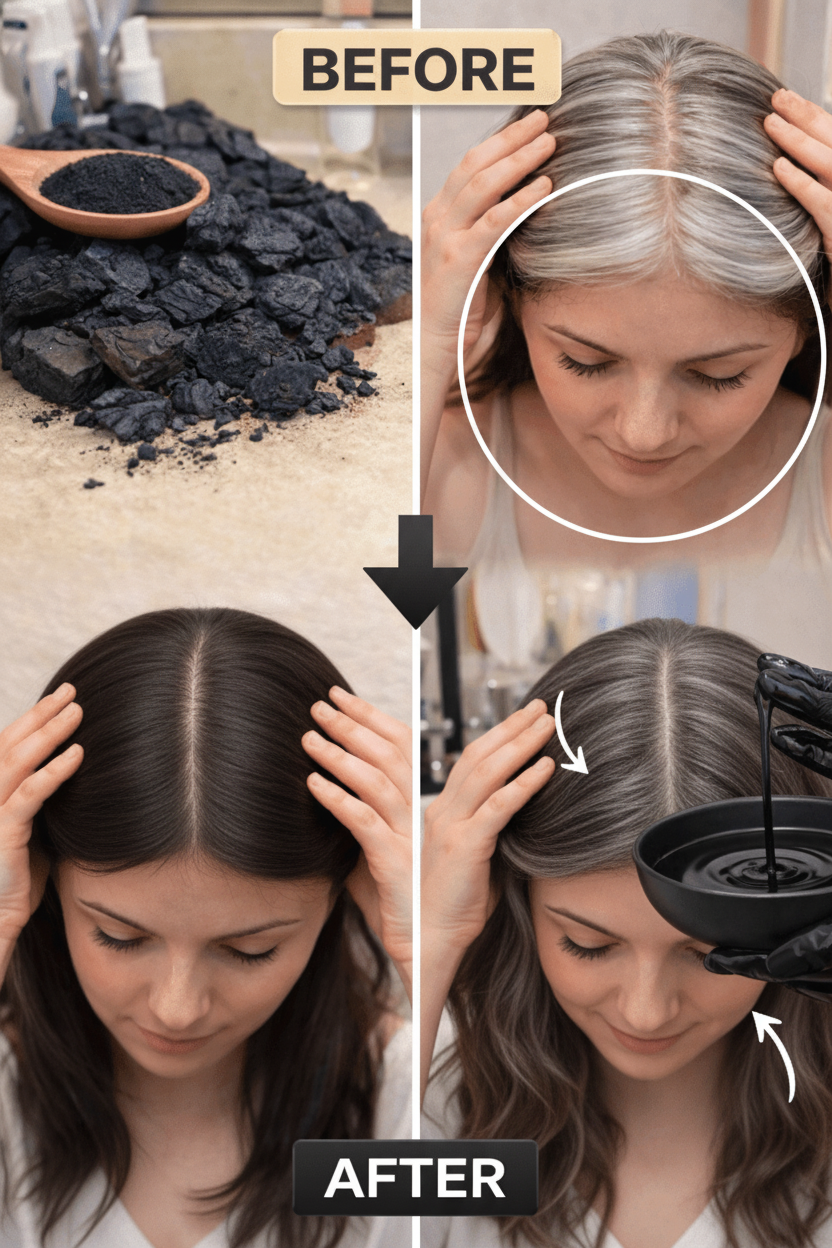
Interested in trying this natural hair treatment? Here’s a straightforward, beginner-friendly method using common household ingredients. Always perform a patch test beforehand to check for any sensitivities.
- Gather Your Supplies: You’ll need 2-3 tablespoons of food-grade activated charcoal powder, 1/4 cup of plain yogurt or hair conditioner (for consistency), 1 tablespoon of coconut oil (for moisture), and optionally, a teaspoon of honey for extra nourishment.
- Prepare the Mixture: In a non-metallic bowl, thoroughly combine all ingredients until you achieve a smooth, lump-free paste. Add a little more conditioner if the mixture is too thick.
- Apply to Hair: Section clean, damp hair and evenly distribute the mask, paying particular attention to areas with gray hair or the roots. Wear gloves to prevent staining your hands.
- Allow to Absorb: Cover your hair with a shower cap and let the mask sit for 20-45 minutes. A longer duration may result in a deeper potential tint.
- Rinse Thoroughly: Wash out the mask with cool water and a mild shampoo. Conclude with a conditioner to lock in moisture and ensure softness. Repeat this process weekly or as needed for ongoing maintenance, as results tend to build subtly over multiple applications.
Tips for Optimal Results and Safety
To maximize your experience while ensuring safety and efficacy:
- Select the Right Charcoal: Always opt for pharmaceutical or food-grade activated charcoal. Avoid varieties intended for grilling, which often contain harmful additives.
- Protect Yourself: Activated charcoal powder can easily stain skin and clothing, so apply with care and use old towels.
- Hydrate Post-Treatment: Charcoal can sometimes be drying, so follow up with a deeply hydrating conditioner or hair mask.
- Exercise Caution with Dry/Damaged Hair: If your hair is severely dry or damaged, activated charcoal might exacerbate texture issues. Consider a strand test first.
- Integrate Internal Support: Complement external treatments by supporting hair health from within. Maintain a balanced diet rich in antioxidants, biotin, and essential minerals.
Activated Charcoal vs. Other Natural Hair Alternatives
Here’s a concise comparison of activated charcoal with other popular natural options for hair care:
- Activated Charcoal: Offers temporary tinting, powerful clarifying action, is cost-effective, and rinses out gradually.
- Coffee Rinse: Provides mild brown tones, delivers caffeine for scalp stimulation, and imparts a subtle shine.
- Black Tea Rinse: Lightly darkens hair, adds antioxidants, and is simple to prepare.
- Sage Infusion: A traditional herbal remedy known for its gradual darkening effect over time.
These diverse natural options allow you to mix and match based on your personal preferences and desired outcomes for your hair.
What Science and Experts Say About Natural Hair Care
While extensive clinical trials specifically on activated charcoal for gray hair coverage are currently limited, its application in clarifying shampoos is well-supported by dermatological insights regarding oil control and scalp purification. General scientific research on melanin production consistently underscores the importance of holistic lifestyle factors, such as effective stress management and adequate nutrient intake, over seeking quick-fix solutions for graying. Experts often advocate for a comprehensive approach to hair health, combining gentle external treatments with internal wellness strategies.