 By admin
 As time progresses, many individuals observe noticeable shifts in their skin, such as increased dryness, uneven pigmentation, and a reduction in firmness. These common dermatological changes can subtly diminish self-confidence, particularly when faced with an abundance of expensive commercial products that may seem inaccessible or overly aggressive for daily application. Consequently, there’s a growing interest in returning to simple, natural ingredients found in our kitchens, like bay leaves. This guide will explore how this versatile herb can be integrated into a gentle, holistic skincare regimen. However, before diving into its practical applications, it’s essential to understand the historical context and the safest methods for harnessing its benefits.
The Enduring Legacy of Bay Leaves in Beauty Rituals
Originating from the elegant laurel tree, bay leaves have been integral to daily existence for millennia, particularly within Mediterranean civilizations. Historically, the ancient Greeks and Romans prized these leaves not merely for culinary purposes but also incorporated them into therapeutic baths and soothing poultices. They held a strong conviction that bay leaves could help soothe and revitalize skin, especially after extensive exposure to the elements. Throughout various traditional folk practices, these aromatic leaves were frequently steeped to create calming rinses or infused into oils for gentle, nourishing massages. This rich legacy persists even today, with many individuals continuing to embrace bay leaves as a cherished component of their natural self-care routines.
Beyond their historical utility, the leaves emit a distinct earthy aroma that many find inherently calming during a simple facial steam. This sensory experience transforms a routine step into a moment of personal well-being, rather than just another item on a to-do list. The remarkable aspect of this tradition lies in its inherent practicality; devoid of sophisticated laboratories, people simply observed and understood the positive effects bay leaves had on their skin, meticulously passing this invaluable knowledge from one generation to the next.
Unveiling the Potent Compounds within Bay Leaves
At the heart of bay leaves’ potential benefits lie several natural compounds, most notably polyphenols and various essential oils, including a significant component known as eugenol. General scientific research highlights these constituents for their notable antioxidant properties. This means they can potentially assist the skin in mitigating the impact of daily environmental stressors, acting as a supportive shield. Numerous studies investigating plant-derived antioxidants frequently indicate that such compounds are instrumental in safeguarding skin cells from routine oxidative damage.
It’s important to note that while the concentration of these beneficial compounds in a single leaf is modest, traditional practices emphasized consistent, gentle application in diluted forms, rather than expecting immediate, dramatic transformations. Furthermore, the essential oil extracted from bay leaves is considerably more concentrated. For this reason, most expert skincare recommendations advocate for beginning with whole dried leaves or preparing very mild infusions, steering clear of applying undiluted essential oil directly to the skin.
Bridging Tradition with Modern Science: Bay Leaves and Skin Health
Contemporary scientific assessments, including those featured in reputable nutrition and botanical science publications, frequently underscore bay leaf’s rich antioxidant and gentle anti-inflammatory characteristics. While certain laboratory and animal-based studies have explored how these attributes might contribute to skin comfort and minor soothing effects, extensive human clinical trials specifically evaluating their impact on visible skin firmness or the reduction of fine lines are still quite limited. For instance, research investigating wound healing in animal subjects has yielded promising indications of tissue regeneration support.
Nevertheless, experts consistently advise caution, emphasizing that findings from controlled laboratory environments do not always directly translate to practical, everyday facial or hand care applications. Reputable health platforms like WebMD indicate that bay leaf extract is generally considered safe when incorporated into cosmetic dilutions, but it’s crucial to remember that individual skin sensitivities and reactions are always possible. The fundamental message here is one of moderation and realistic expectations. Bay leaves should not be viewed as a miraculous substitute for established dermatological treatments; rather, they serve as an enjoyable, cost-effective enhancement for individuals who appreciate integrating natural textures and aromas into their daily beauty rituals. With this understanding, let’s explore practical methods for incorporating them into your personal regimen.
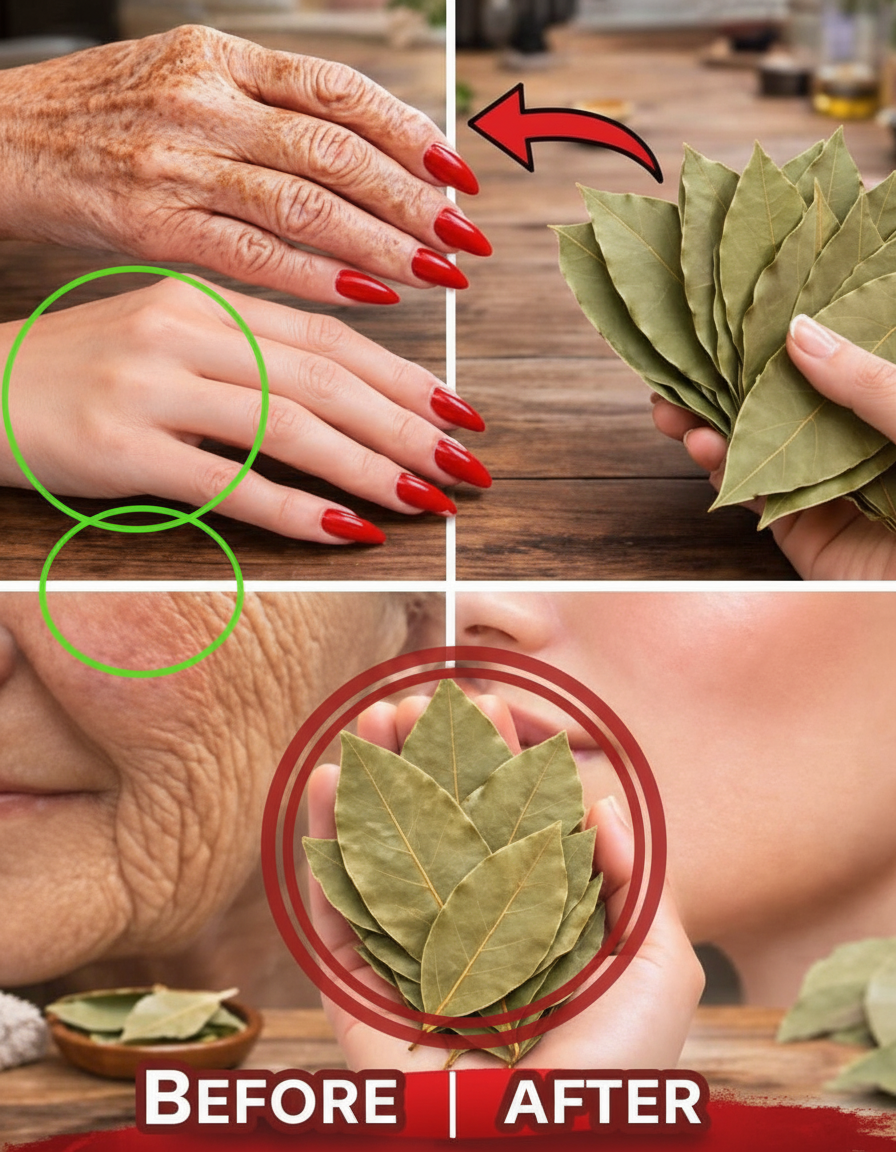
Easy Methods for Integrating Bay Leaves into Your Skincare Regimen
For those eager to experience the benefits firsthand, here are three accessible, beginner-friendly techniques widely enjoyed for home use. Prioritize safety by always performing a small patch test on a discreet area of your inner arm before full application, discontinuing use immediately if any irritation or redness occurs.
Bay Leaf Facial Steam
Bring two cups of water to a rolling boil, then introduce four to five dried bay leaves. Allow the mixture to gently simmer for approximately five minutes before removing it from the heat source. Carefully position a towel over your head, creating a tent, and hold your face roughly ten inches above the rising steam for a duration of three to five minutes. Conclude this revitalizing treatment by applying your preferred moisturizer.
Bay Leaf Infused Rinse
Place six dried bay leaves into one liter of hot water and allow them to steep thoroughly overnight. The following morning, strain the liquid to remove the leaves and transfer the infused water to a clean container. Store this preparation in the refrigerator for up to three days. It can be utilized as a refreshing final rinse after your regular cleansing routine or gently patted onto the skin with a cotton pad, serving as a mild, natural toner.
Gentle Bay Leaf Oil Infusion
Begin by lightly crushing a handful of dried bay leaves to release their aromatic compounds. Place these crushed leaves into a small, clean jar. Completely cover the leaves with a nourishing carrier oil, such as jojoba oil or sweet almond oil, ensuring they are fully submerged. Seal the jar tightly and allow the mixture to infuse in a cool, dark place for two to three weeks, gently shaking it every few days. After the infusion period, strain the oil to remove all leaf particles. The resulting infused oil can be used sparingly as a massage oil or added in small amounts to homemade lotions or balms. Always perform a patch test before widespread use.