 By admin
 Let’s be real: facing cancer is a brutal fight. It throws families into a whirlwind of endless hospital visits, soul-crushing treatment sessions, and that gnawing, constant worry about what fresh hell tomorrow might bring. For patients already battling physical exhaustion and emotional drain, spending up to an hour – an hour! – hooked up to an IV drip for every single session? That’s not just treatment; it’s an extra burden, a massive disruption to daily life, and a stress multiplier for everyone involved. But here’s where things get interesting: recent breakthroughs in how certain life-saving therapies are delivered are finally offering a glimpse into options that could actually ease some of that suffering. What if you could get the same powerful approach with just a simple injection, in mere minutes?
In this article, we’re diving deep into a game-changing update from England’s National Health Service (NHS) that has everyone talking – and for good reason! We’ll break down exactly what this means for the future of patient care, so buckle up.
Understanding the Recent NHS Update on Immunotherapy Delivery
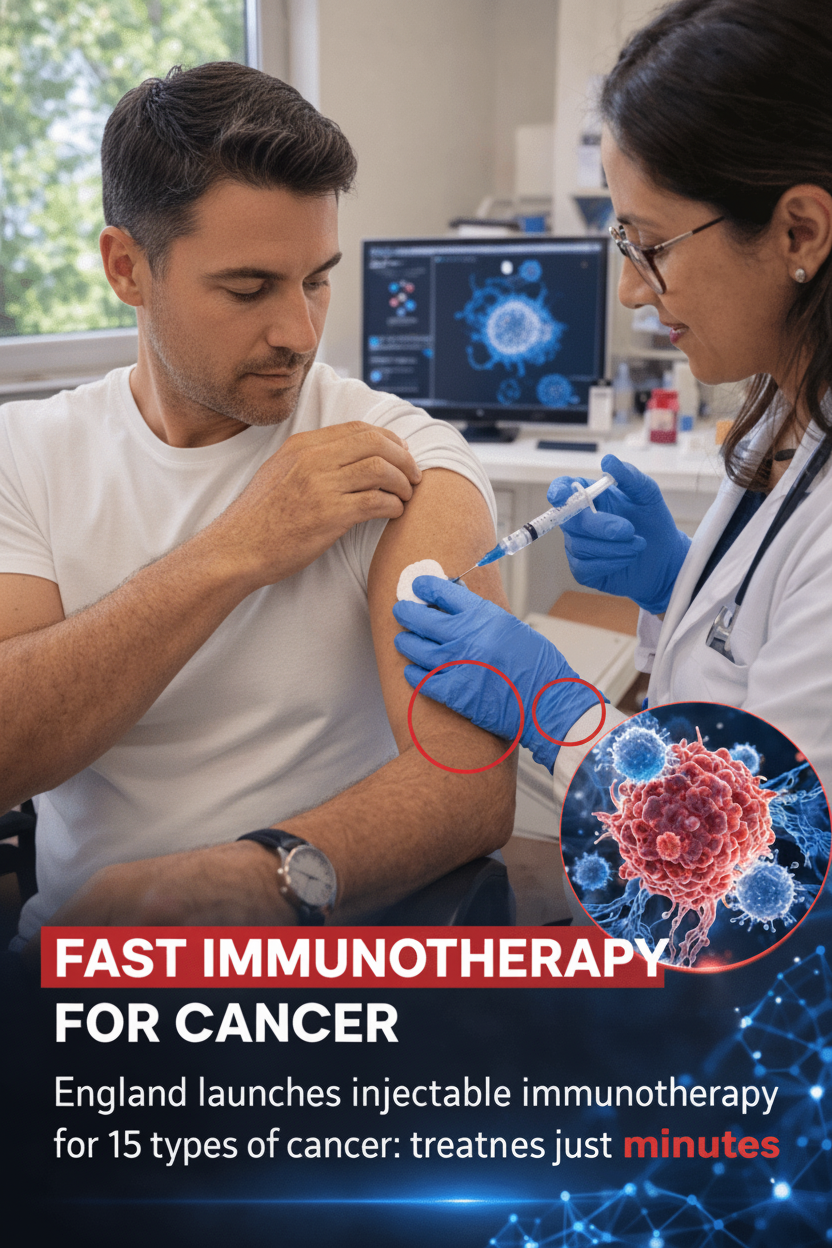
Hold up, this isn’t just talk! In late April 2025, the NHS in England didn’t just join the party; they became the first national health service in all of Europe to roll out a subcutaneous (that’s ‘under-the-skin’ for those keeping score) version of nivolumab. You might know this powerhouse immunotherapy medication by its brand name, Opdivo. This isn’t just a minor tweak; this monumental shift allows eligible patients to get their vital treatment as a quick, no-fuss injection instead of the old, drawn-out intravenous (IV) infusion.
And get this: reports from sources you can trust, including the official NHS website and the Medicines and Healthcare products Regulatory Agency (MHRA), are screaming from the rooftops that administration time plummets dramatically to a mind-blowing 3 to 5 minutes per session. Yes, you read that right. This incredible speed-up applies to patients who qualify for nivolumab as a crucial part of their ongoing care plan.
What Makes This Injectable Form Different?
So, why is this such a big deal? Traditional IV infusions of nivolumab used to demand a solid 30 to 60 minutes. Why? Because the drug had to slowly, carefully drip into your bloodstream through a vein. The new subcutaneous formulation? It completely flips that script. Now, it’s delivered as a shot right under the skin, much like some common vaccines or insulin injections, but it’s custom-engineered specifically for this heavy-hitting medication.
And before you even think it, this isn’t some rushed job. Years of rigorous studies and approvals, including extensive Phase 3 clinical trials, have proven beyond a shadow of a doubt that this injectable version holds its own. It maintains comparable effectiveness and safety profiles to the IV form for all approved uses. Patients who participated in these trials? They didn’t just like it; they reported sky-high satisfaction with the lightning-fast process. But wait, there’s more to this story!
This isn’t just a win for patients; it’s a massive relief for our incredible healthcare teams too. NHS leaders are estimating that roughly 1,200 patients across England could benefit from this every single month. Do the math: that’s potentially freeing up thousands of precious clinician hours each year. Imagine the impact! That extra time means more appointments can be squeezed in, brutal wait times in busy day units can be slashed, and the entire hospital flow gets a much-needed shot in the arm. This isn’t just an upgrade; it’s a systemic revolution.
Which Types of Cancer May Be Eligible?
Nivolumab has been a steadfast warrior in the fight against cancer for years, bolstering the body’s immune response in a variety of tough situations. The beauty of this new injectable version is that it covers all the same approved indications. According to the official announcements from NHS England and MHRA approvals, we’re talking about eligibility for up to 15 different types of cancer. This isn’t some niche solution; it’s broad-reaching. These include:
- Lung cancer
- Bowel (colorectal) cancer
- Kidney cancer
- Bladder cancer
- Oesophageal cancer
- Skin cancer (melanoma)
- Head and neck cancers
- Liver cancer
- Stomach cancer
- And several others depending on specific patient criteria
Now, let’s be crystal clear: eligibility always hinges on an individual’s specific diagnosis, stage of cancer, and the precise treatment guidelines laid out by their oncologists. Not every single patient with these cancers will instantly swap to the injection, but the buzz is that many new and suitable patients are expected to kick off their treatment journey with this far more convenient option.
How Does Immunotherapy Like This Work in Simple Terms?
Okay, let’s talk science, but keep it simple. Immunotherapy isn’t about blasting cancer cells with harsh chemicals; it’s about giving your body’s own natural defense system a massive megaphone and a pair of super-powered glasses so it can better recognize and respond to those sneaky, abnormal cells. Nivolumab belongs to a powerful class of drugs called PD-1 inhibitors.
Think of it this way: cancer cells are clever; they sometimes put up a ‘do not disturb’ sign (a pathway) to hide from your immune cells. What nivolumab does is essentially rip that sign down! By interfering with that pathway, it allows your T-cells (the elite special forces of your immune system) to better detect and launch an attack on the problem areas. This ingenious approach has become a cornerstone – a key part – of modern oncology for countless patients. Research is constantly pushing boundaries, exploring combinations with other therapies to expand these benefits even further. The crucial takeaway here? This isn’t about replacing all other treatments; it’s about offering a dramatically more convenient, less invasive way to deliver an already established, highly effective weapon against cancer.
Benefits for Patients and Healthcare Systems
So, what’s the real payoff for you, the patient? Shorter sessions mean less time stuck in that dreaded hospital chair. For people juggling long commutes, demanding jobs, or the endless responsibilities of family life, even shaving off minutes – let alone an hour – from each visit can make a profound, life-altering difference to their overall quality of life. Patients can often avoid the need for IV lines altogether, which means less discomfort from needles poking and staying in place for what feels like an eternity.
And for the heroes behind the scenes, the healthcare system itself? This is a massive win. Nurses and pharmacists, who are already stretched thin, spend significantly less time on each administration. This efficiency boost means day units can seamlessly handle more patients, reducing bottlenecks and ensuring that more people get the care they need, faster. It’s a true win-win, folks!
This groundbreaking shift in cancer care delivery is nothing short of revolutionary, offering a beacon of hope and a tangible improvement in the lives of patients and the efficiency of our healthcare system. It’s a testament to innovation and a powerful reminder that even in the toughest fights, there’s always a way to make things better, faster, and more human.
Stay informed, stay empowered! We’re committed to bringing you the latest breakthroughs that truly matter. For more insightful articles and updates on health, wellness, and cutting-edge medical advancements, be sure to explore the rest of our website!