 By admin
 Ear Hair and Your Health: Unpacking What Medical Experts Say About This Common Sign of Aging
The appearance of wiry hair in or around the ears, particularly as we age, is a common experience many dismiss as simply another aspect of getting older. Often, a quick glance in the mirror leads to reaching for a trimmer, viewing these persistent strands as a minor grooming inconvenience, much like graying hair or the need for reading glasses. However, does this seemingly trivial characteristic hold any deeper insights into our overall health? While medical professionals generally confirm that ear hair is, for the most part, benign, they also suggest that specific patterns or sudden changes could warrant a closer examination of one’s well-being. The reassuring reality is that in the vast majority of instances, ear hair growth is an entirely normal physiological process. Nevertheless, gaining clarity on its origins—and understanding when it might signal something more significant—can offer peace of mind and empower individuals to adopt a proactive approach to their health. This article will delve into what medical experts truly advise, distinguishing between typical age-related changes and potential indicators that might deserve further consideration.
The Natural Progression: Why Ear Hair Becomes More Noticeable with Age
As individuals, particularly men, advance into their 50s and beyond, significant hormonal fluctuations are primary drivers behind changes in hair growth patterns. While testosterone levels naturally decrease over the years, the delicate balance between estrogen and testosterone can shift, rendering hair follicles in specific areas—including the ears, nose, and eyebrows—more susceptible to androgens, commonly known as male hormones. This heightened sensitivity often transforms existing fine, almost invisible hairs into thicker, darker, and longer strands.
Genetic predisposition also plays a substantial role. If your family lineage, particularly your father or grandfather, exhibited prominent ear hair, you are statistically more likely to develop similar growth. Scientific studies underscore that hair follicles in these particular regions become progressively more responsive to hormonal signals as we age, contributing to what is often recognized as a characteristic sign of aging in men.
Furthermore, the natural aging process itself involves a transition where finer vellus hairs (soft, light, short) in the outer ear and ear canal are gradually replaced by terminal hairs (thicker, pigmented, longer). For the majority of men over 50, a moderate presence of ear hair is both common and anticipated.
- Typical Presentation: A progressive increase in hair growth within the ear canal or on the outer ear (pinna).
- Biological Function: These hairs serve a practical purpose, acting as a natural defense mechanism by trapping dust, small debris, and insects, thereby protecting the delicate ear canal.
Medical professionals consistently affirm that for the vast majority of the population, this age-related hair growth is entirely benign and should not be a standalone source of concern.
When to Consult a Doctor About Ear Hair: Distinguishing Normal from Potentially Significant
While the presence of hair within the ear canal is almost universally considered a harmless aspect of the aging process, certain patterns of hair growth on the outer ear or earlobe have, at times, captured the attention of the medical community. It is crucial to differentiate: hair emerging from within the ear canal is distinct from hair appearing on the external ear structure or the earlobe itself.
Research has investigated potential associations between visible earlobe hair—or related physical markers such as a diagonal earlobe crease, often referred to as Frank’s sign—and various health risks. However, the findings from these studies have consistently been mixed and lack definitive conclusions. For example, earlier research conducted in the 1980s and 1990s proposed a possible correlation between noticeable ear canal hair, especially when coupled with earlobe creases, and an elevated risk of coronary artery disease (CAD) within specific demographics.
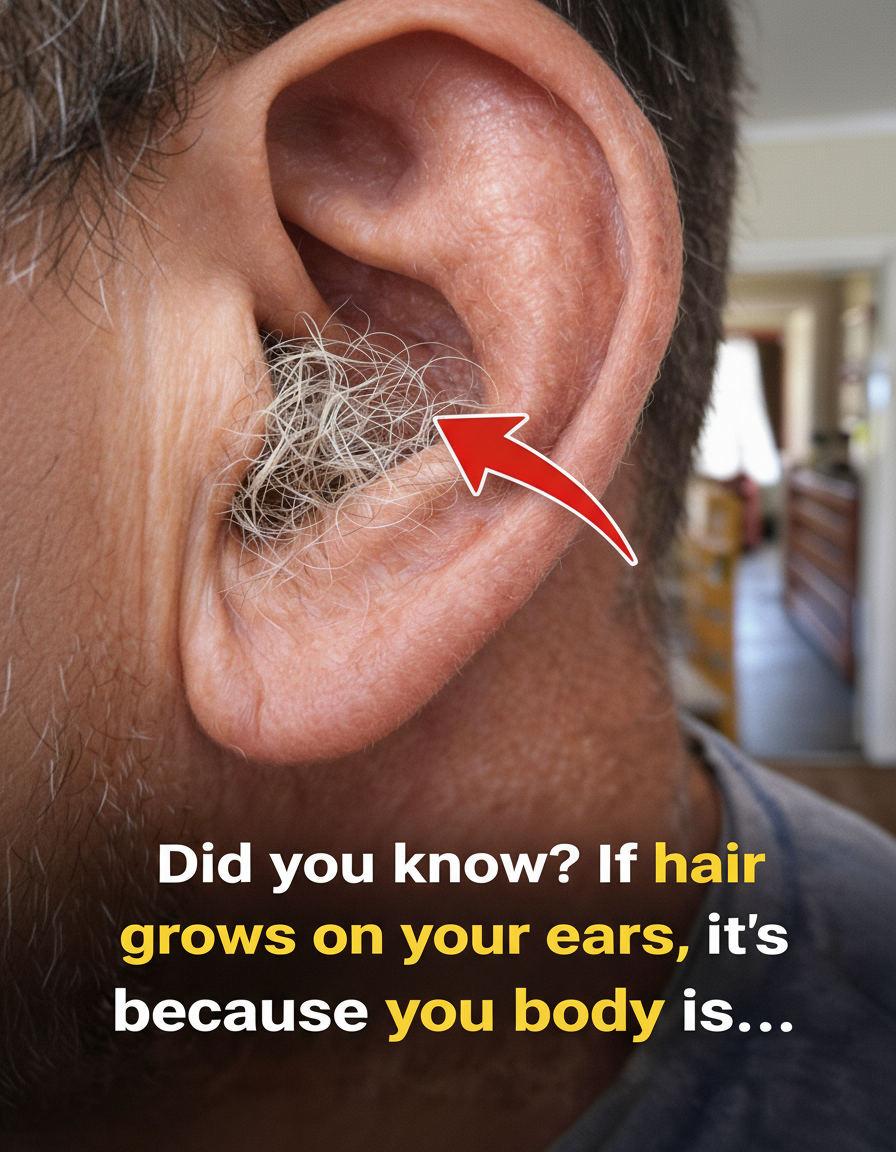
More contemporary analyses, however, present conflicting evidence. Some reviews acknowledge a minor connection to cardiovascular risk factors, including age, obesity, or hypertension. Yet, other comprehensive studies report no robust independent link, particularly once common risk factors such as diabetes or smoking are factored into the analysis.
Regarding metabolic health, a limited number of investigations have identified correlations between specific earlobe characteristics and indicators of insulin resistance or prediabetes. Nevertheless, these studies frequently emphasize earlobe creases rather than the hair itself as the primary focus.
In specific scenarios, an abrupt or excessive increase in hair growth might signal broader underlying hormonal imbalances. This can include conditions affecting the adrenal glands or, in women, hirsutism resulting from Polycystic Ovary Syndrome (PCOS). Additionally, certain rare genetic conditions, such as hypertrichosis pinnae auris—characterized by dense hair growth on the outer ear helix—are observed in some families, particularly in regions like India and Sri Lanka. These genetic traits are typically benign and not associated with systemic diseases.
The Consensus from Medical Professionals:
Isolated ear hair growth, in and of itself, is generally not considered a reliable warning sign for serious health issues. Nevertheless, if you experience sudden, unexplained changes in ear hair growth accompanied by other concerning symptoms—such as unexplained weight gain, persistent fatigue, increased thirst, or unusual hair growth in other body areas—seeking professional medical advice is prudent for accurate diagnosis and reassurance.
Safe and Effective Management of Ear Hair
Should the presence of ear hair cause cosmetic concern or feel particularly bothersome, safe and appropriate removal techniques can ensure comfort without unnecessary risks. Here is a straightforward, doctor-endorsed approach for managing ear hair:
- Select the Appropriate Tools: Always choose specialized grooming instruments. This includes rounded-tip scissors specifically designed for nose and ear hair, or a battery-powered trimmer engineered for safe use in these sensitive areas.
- Trim with Precision and Gentleness: Perform trimming in a well-lit environment. Focus solely on cutting visible hairs at the entrance of the ear canal or on the outer ear. Crucially, never insert any tool deeply into the ear canal, as this can cause injury or push debris further inside.
- Steer Clear of Risky Practices: Avoid methods like plucking or waxing ear hair. Plucking can lead to painful ingrown hairs, inflammation, or even infection of the hair follicles. Waxing is generally too harsh for the delicate skin of the ear and can cause irritation or damage.