 By admin
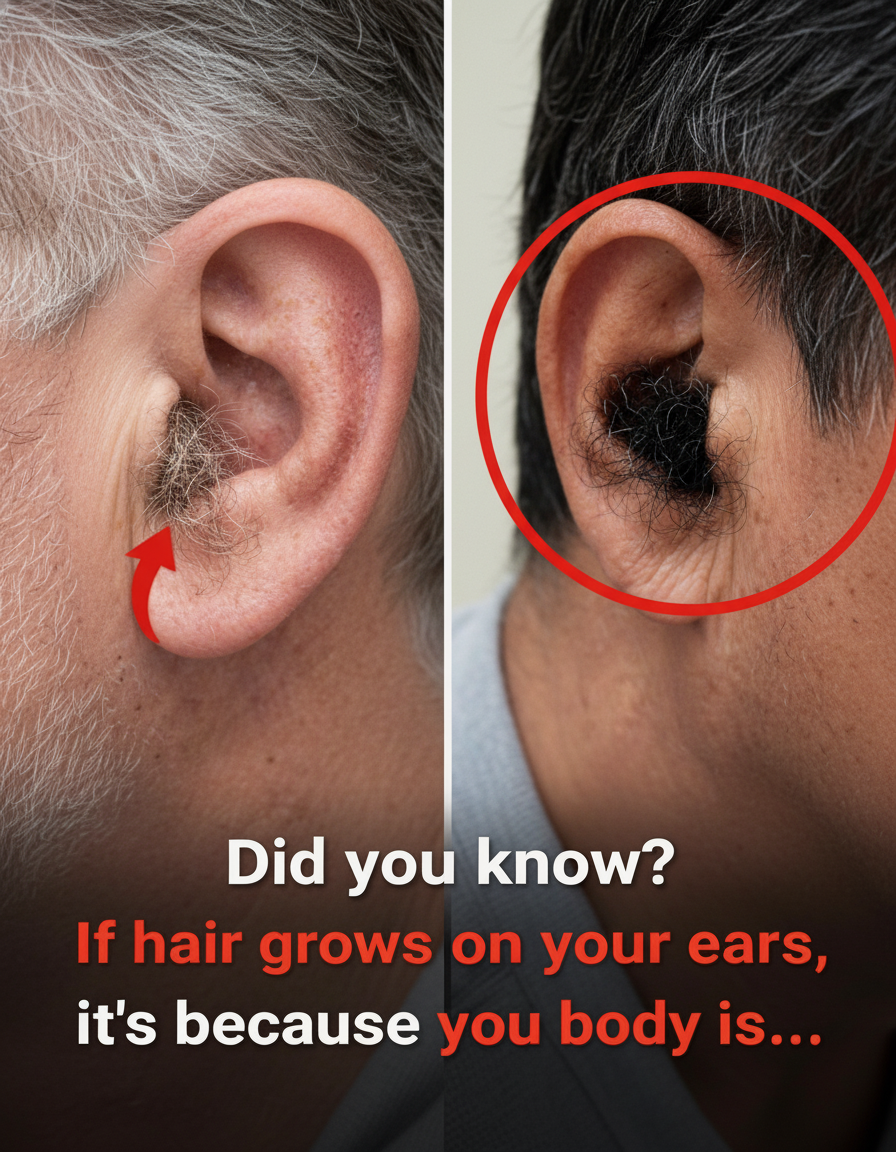
 Alright, let’s be real. You’ve seen it. That rogue jungle popping out of your ears—especially as the years start piling up. You catch a glimpse in the mirror, spot those stubborn strands, and without a second thought, you grab the trimmer. For most of us, it’s just another grooming annoyance, right up there with gray hairs and needing reading glasses for everything.
But hold up! Before you just hack it off and forget it, what if those little fuzzballs are actually trying to tell you something serious about your overall well-being? Doctors note that while ear hair is usually harmless, certain patterns might prompt a closer look at your health habits. Here’s the reassuring truth: in the vast majority of cases, ear hair is completely normal. Yet, understanding why it appears—and when it might deserve attention—can give you peace of mind and help you stay proactive about preventive care. Let’s explore what medical experts actually say, separating everyday aging from potential signals worth noting.
Why Your Ears Are Turning into a Hairy Jungle as You Get Older (It’s Not Just Bad Luck!)
Listen up, fellas (and yeah, some ladies too!). Once you hit the big 5-0 and beyond, your hormones start doing a little dance. Your testosterone levels naturally dip over time, but the *ratio* of estrogen to testosterone can shift in ways that make hair follicles in certain areas—like your ears, nose, and eyebrows—go a bit wild, becoming super responsive to androgens (those are male hormones). This sensitivity causes existing fine hairs to become coarser, darker, and longer. Genetics also factor in heavily—if your father or grandfather rocked noticeable ear hair, you’re pretty much destined to follow suit. Research shows that hair follicles in these regions become increasingly reactive to hormones as we age, leading to this classic “older man” trait.
But that’s not all—natural aging processes make terminal hairs (thicker, pigmented ones) replace finer vellus hairs in the outer ear and canal. For most men over 50, a moderate amount of ear hair is typical and expected.
- Totally Normal: Yeah, that slow creep of hair inside your ear canal or on the outer pinna (the ear shell)? Standard operating procedure for aging.
- Secret Superpower: Believe it or not, these little guys are like your ear’s bouncers, helping trap dust, debris, and even those pesky insects, acting as a natural barrier for your ear canal. Who knew?
Relax, most docs will tell you straight up: this ain’t a death sentence. For the overwhelming majority of people, this change is benign—no cause for alarm on its own.
Hold Up! When That Ear Hair Might Actually Be Yelling at Your Doctor (And Not Just Your Mirror)
Okay, so the inside stuff? Usually no biggie, just a sign you’re collecting mileage. But if you’re rocking a full-on shag on your *outer* ear or earlobe, that’s when some medical pros start raising an eyebrow. A key distinction matters here: hair growing inside the ear canal differs from hair on the outer ear or earlobe.
Now, here’s where it gets a little murky. Some smarty-pants in white coats have been poking around, looking at visible earlobe hair (and even those weird diagonal creases, known as Frank’s sign—sounds fancy, right?). They *thought* they saw a connection to certain health risks, especially heart trouble, particularly back in the old days (80s and 90s research, mind you). But fast forward to now, and the jury’s still out, with results remaining mixed and not definitive. More recent reviews show inconsistent findings—some confirm a modest link to cardiovascular factors like age, obesity, or hypertension, while others find no strong independent connection, especially when accounting for common risk factors like diabetes or smoking.
And what about your metabolism? Yeah, a few studies have noted correlations between certain earlobe features and insulin resistance or prediabetes markers, but these often focus on earlobe creases rather than hair itself. So, again, mostly about the *creases*, not necessarily your ear fuzz. Now, if you suddenly sprout excessive hair growth like a werewolf, or you’re a woman with a serious case of new, thick hair growth (think adrenal conditions or hirsutism from PCOS), then absolutely, that’s a different beast and worth getting checked out. Oh, and some folks just win the genetic lottery with super dense hair on the outer ear helix (called hypertrichosis pinnae auris—try saying that five times fast!). It’s rare, appears in some families—particularly noted in parts of India and Sri Lanka—but is typically harmless and not linked to disease.
So, what’s the *real* deal from the medical pros? Bottom line from doctors: Isolated ear hair isn’t a reliable red flag on its own. But if your ear hair suddenly goes wild, *and* you’re feeling weird in other ways—like packing on pounds for no reason, dragging ass all day, chugging water like there’s no tomorrow, or sprouting unusual hair growth elsewhere—then, my friend, it’s time to get off the couch and talk to a doctor for reassurance. Better safe than sorry, right?
Alright, Enough Talk – Let’s Get Rid of This Ear Fuzz (The Smart Way!)
Look, if that ear hair is bugging you cosmetically or just feels excessive, safe removal keeps things comfortable without risks. No need to look like a yeti. Here’s the lowdown, straight from the docs, on how to handle it without messing things up:
- Grab the Right Gadgets: Forget your grandma’s sewing scissors! You need proper gear: opt for rounded-tip nose/ear hair scissors or a battery-powered trimmer designed specifically for ears and nose. Don’t cheap out here!
- Easy Does It: Get yourself under some good light, take it slow. Trim gently, only visible hairs—never insert anything deep into the canal. That’s a one-way ticket to trouble.
- Hands Off the Tweezers! Seriously, resist the urge to pluck. Avoid risky methods like plucking (it can cause painful ingrown hairs, irritation, and even infections).
So there you have it, folks. Don’t let a little ear fuzz freak you out, but also don’t ignore it if something feels off. Stay sharp, stay healthy, and keep those ears (mostly) clear! If you’re hungry for more no-BS health insights, stick around dogpjs.com – we’ve got plenty more where that came from. Catch ya later!