 By admin
 Early Menopause: 10 Signs (and More) to Watch Out For
Alright, ladies, listen up! If you’re cruising through your 30s or early 40s and suddenly your period’s playing hide-and-seek, or you’re waking up drenched like you ran a marathon – even when it’s chilly – then hold up! These sneaky body shifts might just be screaming that you’re hitting the early menopause transition way sooner than you expected. Talk about a curveball, right? These changes aren’t just confusing; they’re draining your sleep, zapping your energy, messing with your confidence, and even throwing your relationships into a tailspin. Your whole vibe just feels… off. But here’s the real talk: spotting these early menopause signs pronto puts you firmly in the driver’s seat. You get to stay informed, make smart moves, and actually feel better. And trust me on this, because this is the golden nugget most women completely miss: one simple, everyday tracking habit? That’s your secret weapon to catching these patterns early and feeling totally prepped for whatever comes next.
What Early Menopause Actually Means
So, what’s the deal with early menopause? Basically, it’s just your body starting that natural dance of hormone levels shifting before you hit 45. The big shots at the Mayo Clinic drop the intel that most women in the U.S. don’t see menopause until around 51. So yeah, anything before that? You’re in the early menopause club. This whole ride, often called perimenopause, isn’t some overnight flip of a switch; it’s a gradual journey that can stretch out for years. Studies are crystal clear: these hormonal rollercoasters are behind most of what you’ll experience, but remember, every woman’s timeline is her own unique saga. The absolute key here is awareness, because catching these early menopause symptoms allows you to have some seriously informed chats with your doctor. No more guessing games!
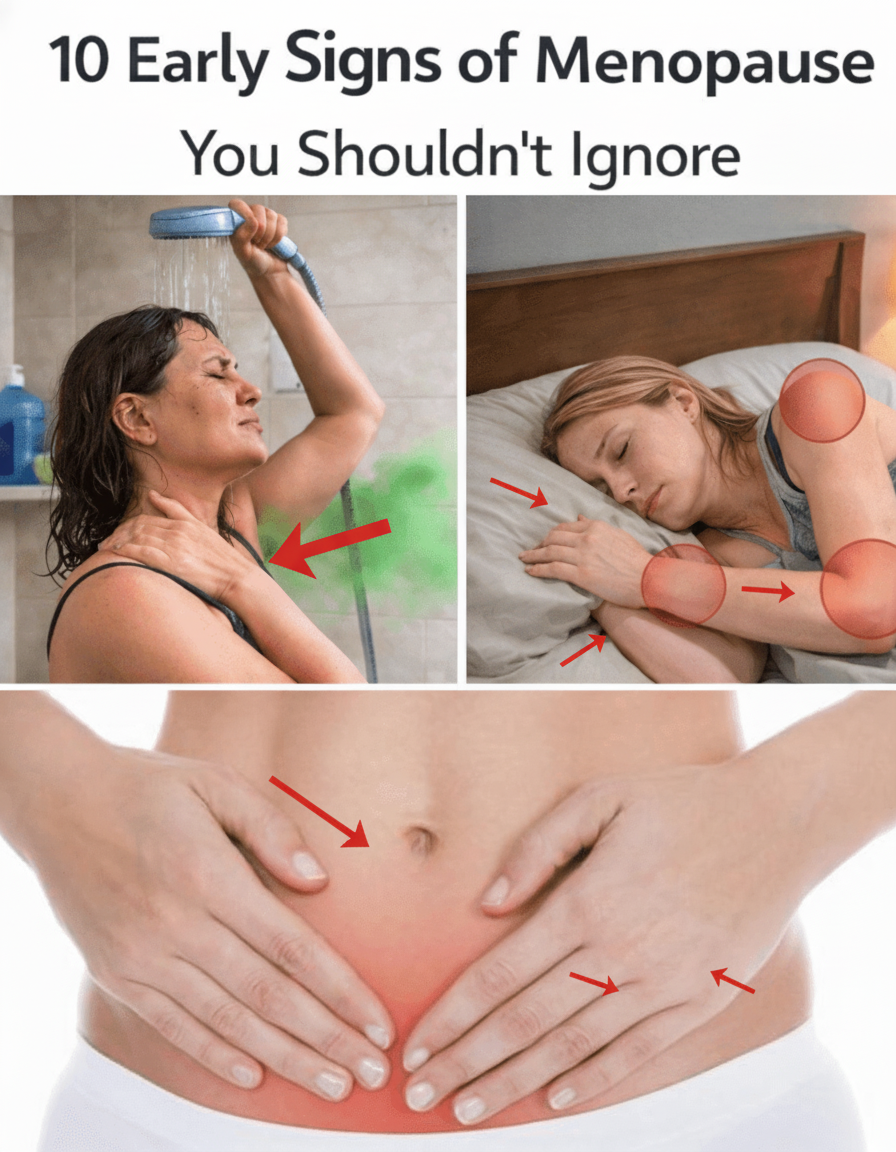
The 10 Early Signs You Shouldn’t Ignore
Okay, let’s get down to brass tacks. Here are the most common signals that many women start noticing when this transition kicks off. Keep your eyes peeled, because while everyone’s experience is different, these are definitely patterns that deserve your full attention.
1. Irregular Periods
Hold up, is your period acting totally whack? It might suddenly be shorter, longer, lighter, or heavier than usual. You could even skip months entirely or find yourself spotting between cycles. According to big names like WebMD, this is often one of the very first tell-tale signs because your ovulation starts becoming super unpredictable. Want to get a handle on it? Just track your cycle with a simple app or notebook. It’ll spill the beans on patterns fast and arm you with solid info for your next check-up. Don’t let your period ghost you!
2. Hot Flashes
Suddenly, out of nowhere, a wave of heat just blasts across your face, neck, or chest. Sometimes it comes with a flushed face or your heart doing a little samba. These fiery moments might only last a minute or two, but trust me, they catch you completely off guard during your day. Research screams it loud and clear: these “vasomotor symptoms” hit a huge number of women during this transition. Simple fixes? Dress in layers and keep a mini-fan close by. Many women swear by these little tricks to stay chill when the heat is on.
3. Night Sweats
Think hot flashes, but while you’re trying to catch some Zs. These babies can leave you and your sheets soaking, waking you up multiple times a night. Next thing you know, your sleep is totally messed up, and you’re dragging the next day. Studies practically shout that night sweats are directly linked to those same hormone shifts. Want to fight back? Go for breathable bedding and crank down the AC in your bedroom at night. These practical tweaks are sleep-savers for many women.
4. Vaginal Dryness and Discomfort
Feeling a bit parched down there? Tissues might feel drier, leading to itchiness or discomfort during everyday activities or, let’s be real, intimacy. This annoying change is a direct result of estrogen levels taking a nosedive, and it’s reported all over the medical literature. Good news: over-the-counter personal lubricants or moisturizers specifically made for sensitive areas are options many women explore after having a candid chat with their doctor. Don’t suffer in silence!
5. Sleep Disturbances
Even if you’re not battling night sweats, just falling asleep or staying asleep can turn into a nightmare. You might wake up way too early or just feel totally unrested. The Mayo Clinic points out that sleep issues often go hand-in-hand with other transition symptoms. Want a secret weapon for better rest? Establish a consistent bedtime routine – like dimming the lights an hour before bed. It works wonders for many women during this challenging time.
6. Mood Changes
Are you suddenly snapping at everyone, feeling anxious, or experiencing emotional whiplash more often? These feelings can hit you out of nowhere and sometimes link directly to crappy sleep or those wild hormone fluctuations. Experts are quick to remind us: mood swings during this phase are super common and absolutely NOT a personal failing. What helps? Gentle movement, like a daily stroll, or mindfulness practices can really help many women find their emotional balance again. You’re not losing it, promise!
7. Unexplained Weight Gain
Ever notice extra pounds magically appearing around your middle, even when your diet and activity haven’t changed a bit? Yeah, that’s a common one. A slower metabolism plays a starring role as your estrogen levels adjust. WebMD stresses that staying active becomes your best friend here. Focus on strength-building exercises and balanced meals packed with veggies and protein. It’s a game-changer for energy and body composition for many women. Don’t let the scale scare you; empower yourself!
8. Joint and Muscle Aches
Suddenly, you’re stiff or feeling new aches in your shoulders, knees, or back, with no obvious injury? Some women describe it as feeling like they’re falling apart. It’s not just in your head; these aches are often tied to the hormonal shifts happening in your body. Regular, low-impact exercise like swimming or yoga can be incredibly helpful in keeping those joints moving and reducing discomfort. Listen to your body, but don’t let it seize up on you!
Phew! That was a lot to take in, but knowledge is power, right? Understanding these early menopause signs can make a world of difference in how you navigate this unique chapter of your life. Don’t let your body’s whispers turn into screams before you pay attention. Your health, your comfort, and your peace of mind are worth every bit of effort!
Thanks for stopping by! We know you’re looking for real answers, and we’ve got plenty more where that came from. For more no-nonsense advice on living your best life, head back to our Healthy Life section or dive into our other articles right here on dogpjs.com. Stay informed, stay empowered!