 By admin
 Waking up to a swollen, tender bump on your eyelid can instantly throw off your day. This common ocular discomfort can cause a stinging sensation with every blink, a feeling of heaviness, and even make you self-conscious in social settings. The persistent irritation can be particularly frustrating when it impacts your vision or disrupts your daily activities. The encouraging news is that with consistent, gentle attention, natural healing is often achievable. Furthermore, this guide will reveal a crucial, yet often overlooked, simple habit that can significantly accelerate your recovery.
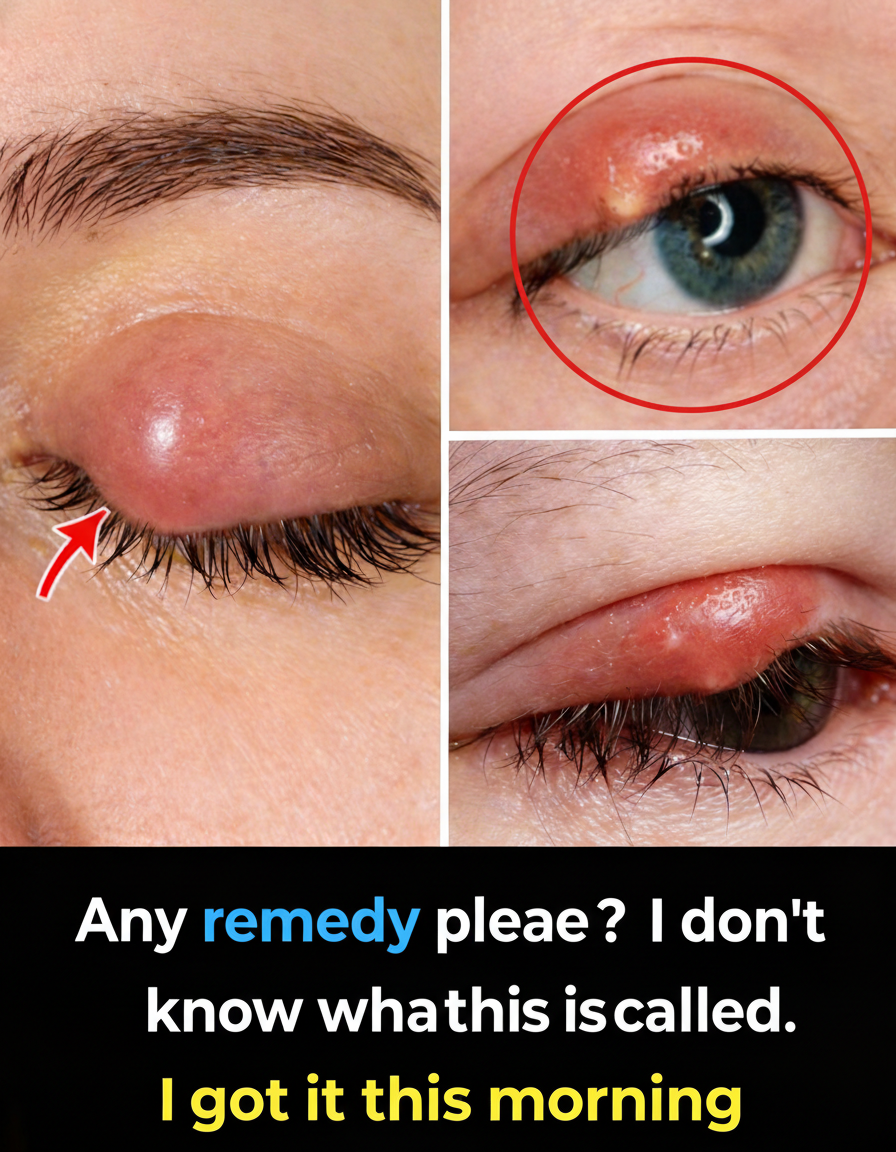
Understanding Styes and Chalazions: What’s Causing That Eyelid Bump?
Before exploring effective care strategies, it’s helpful to distinguish between these two common eyelid conditions. A stye (hordeolum) presents as a small, often painful, red bump that forms along the edge of your eyelid, typically resulting from an acute bacterial infection of an oil gland or hair follicle. In contrast, a chalazion (pronounced kuh-LAY-zee-on) usually appears as a firm, non-tender lump deeper within the eyelid, often developing when an oil gland remains blocked after an initial stye, leading to chronic inflammation rather than active infection.
Reputable ophthalmology resources, including those from the American Academy of Ophthalmology, affirm that both styes and chalazions are generally self-limiting and respond positively to supportive home treatments. However, a critical factor in their resolution is the approach you take to caring for your eyelid, particularly in the initial days. Appropriate and timely intervention can significantly impact the speed of healing and reduction of discomfort. Let’s delve into the most effective and safe at-home management techniques.
Why Gentle Eyelid Care Is Paramount: Avoiding Aggressive Fixes
While it might be tempting to squeeze, poke, or attempt aggressive ‘quick fixes’ for an eyelid bump, resist the urge. Such actions can severely irritate the delicate tissues of your eyelid, escalate inflammation, and potentially introduce further complications or prolong healing. The cornerstone of effective management lies in a gentle approach: prioritize consistent warmth, meticulous cleanliness, adequate rest for your eye, and actively minimizing any further irritation. Often, straightforward and consistent habits yield far better results than complex or forceful interventions.
1. The Power of Warm Compresses: Your First Line of Defense
Applying a warm compress is widely considered the most crucial initial step in managing both styes and chalazions. The gentle heat works by softening the hardened oil within the blocked gland, thereby promoting natural drainage and alleviating uncomfortable pressure. This simple action can significantly reduce swelling and pain.
How to Apply a Warm Compress Effectively:
- Wash your hands thoroughly with soap and water to prevent introducing new bacteria.
- Soak a clean, soft washcloth or cotton pad in warm (not hot) water.
- Firmly wring out any excess water until the cloth is damp but not dripping.
- Gently place the warm, moist compress directly over your closed eyelid.
- Keep it in place for 10 to 15 minutes.
- Re-warm the compress as it cools, ensuring consistent heat.
- Repeat this process 3 to 4 times throughout the day.
Key Tip: Consistency is paramount. A single application may offer minimal relief, but regular, repeated warmth is essential for encouraging drainage and healing. Always ensure the compress is comfortably warm, never scalding, as excessive heat can further irritate the sensitive skin around your eye.
2. Gentle Eyelid Hygiene: Keeping the Area Clean
Maintaining proper hygiene around the affected eye is crucial when oil glands are blocked, as it significantly aids the recovery process. However, this absolutely does not imply aggressive scrubbing or harsh cleaning. The goal is gentle, consistent purification.
Your Gentle Eyelid Cleaning Routine:
- Begin with lukewarm water, as it’s soothing and effective.
- Select a mild, fragrance-free soap or a small amount of baby shampoo, diluted with water to create a gentle solution.
- Dip a fresh, clean cotton pad or swab into this diluted solution.
- Very gently wipe along the margin of your eyelid, focusing on the lash line.
- Rinse the area carefully with clean water to remove any soap residue.
- Pat the eyelid dry with a separate, clean, soft towel.
This routine effectively helps to remove accumulated debris, excess oils, and any bacterial buildup that might be contributing to the condition. Studies on ocular hygiene emphasize that consistent, gentle cleaning can play a vital role in preventing the recurrence of styes and chalazions for individuals prone to these issues. Always remember: cleanliness should be gentle; vigorous rubbing can exacerbate swelling and irritation.
3. Soothing Relief with a Warm Tea Bag Compress
While it might seem like an old-fashioned remedy, warm tea bags are frequently utilized as a comforting compress for eyelid bumps. Black tea, in particular, contains natural tannins, compounds that are believed to possess mild anti-inflammatory properties, potentially offering additional soothing benefits. Although rigorous scientific evidence specifically for styes and chalazions is somewhat limited, countless individuals report finding significant comfort and relief from this method.
How to Safely Use a Tea Bag Compress:
- Steep a single black tea bag in hot water, as if preparing a cup of tea.
- Allow the tea bag to cool significantly until it is comfortably warm, never hot.
- Squeeze out any excess liquid to prevent dripping.
- Gently place the warm tea bag over your closed eyelid for 5 to 10 minutes.
- Ensure you use a fresh, clean tea bag for each application and never reuse one.
- Avoid using herbal tea blends, as some ingredients might irritate sensitive eye skin.
Important Note: This method is intended as a complementary comfort routine and should not be considered a substitute for professional medical advice or prescribed treatment.
4. Temporary Pause: Avoiding Eye Makeup and Contact Lenses
During an active stye or chalazion flare-up, it is absolutely essential to temporarily discontinue the use of eye makeup and contact lenses. Continuing these habits can significantly prolong irritation, impede healing, and potentially worsen the condition.
Recommendations for Eye Makeup and Contact Lenses:
- Eye Makeup: Completely refrain from using mascara, eyeliner, and eyeshadow. Makeup products can easily trap bacteria, oils, and other particles, which can clog glands and exacerbate inflammation.
- Contact Lenses: If you wear contact lenses, switch to glasses immediately and use them exclusively until your eyelid has fully healed. Contact lenses can increase friction against the already sensitive eyelid, introduce additional irritants, or even become contaminated.
Pro Tip: It’s strongly advised to replace any eye makeup products (especially mascara and eyeliner) that you were using just before the stye or chalazion appeared, as they may be contaminated with bacteria and could trigger a recurrence.
5. When to Consider Antibiotic Ointment (Doctor’s Guidance Only)
While the majority of styes and chalazions resolve with consistent home care, particularly warm compresses, there are instances where a healthcare professional might recommend an antibiotic ointment. This is typically advised only if there are clear signs of a bacterial infection that requires medical intervention.
Crucial Warning: It is imperative to use antibiotic medication only when prescribed or explicitly recommended by a qualified medical provider. Never self-medicate with leftover prescriptions, as this can be ineffective, lead to antibiotic resistance, or cause adverse reactions. Always follow the precise instructions provided by your doctor regarding dosage, frequency, and duration of application.
Topical antibiotic ointments are generally applied gently along the margin of the affected eyelid. They are usually intended for a short course of treatment. Remember, antibiotics are not universally necessary for all eyelid bumps; many styes, especially, improve significantly with consistent application of warm compresses alone.
By implementing these gentle and practical home care strategies, you can significantly promote the healing of styes and chalazions and alleviate discomfort. Remember, consistency is key to effective management. If your condition does not improve within a few days, worsens, affects your vision, or if you experience severe pain, fever, or spreading redness, it is crucial to consult a healthcare professional promptly for proper diagnosis and treatment.