 By admin
 Effective Home Care Strategies for Styes and Chalazion: A Gentle Guide to Eyelid Health
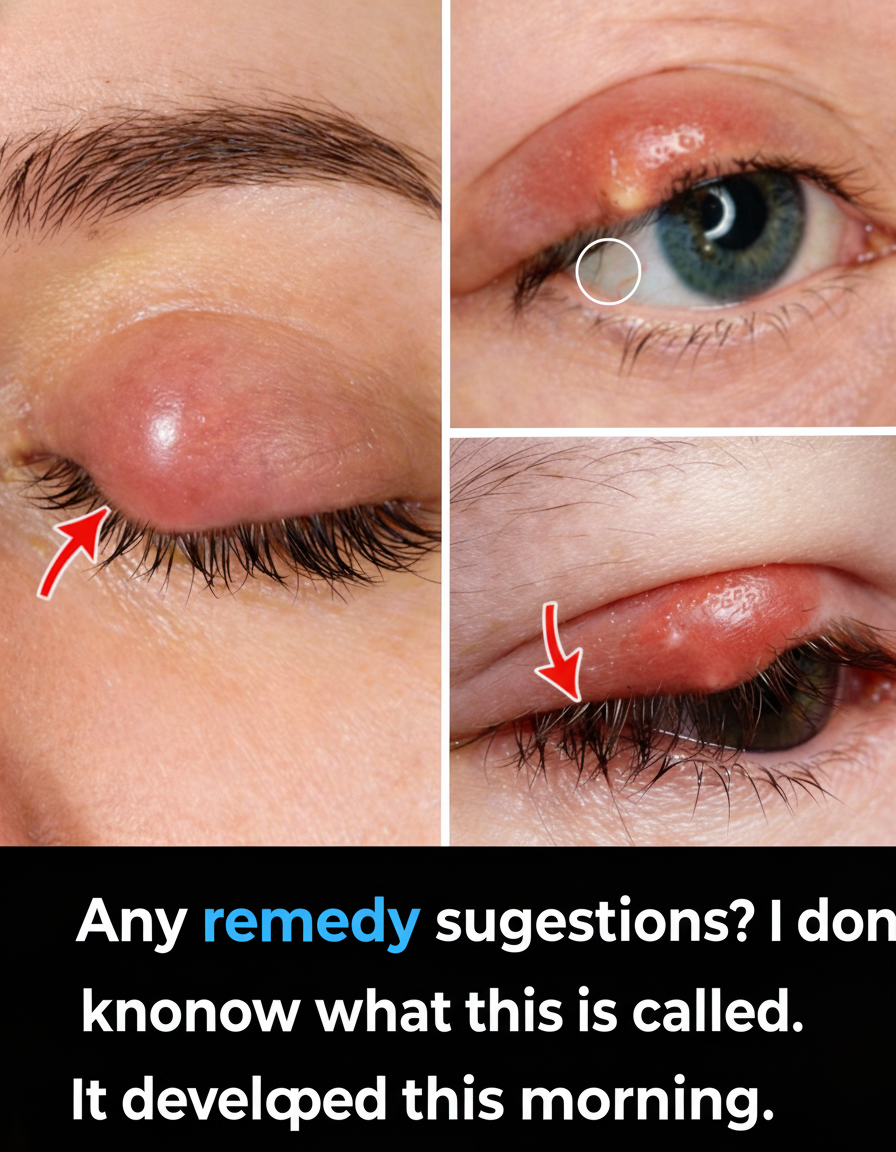
Discovering a swollen, tender bump on your eyelid can be an unwelcome surprise, often causing immediate disruption to your daily life. This common ailment can manifest as a stinging sensation with every blink, a noticeable heaviness, and even feelings of self-consciousness in social settings. The persistent discomfort can quickly become frustrating, particularly when it impacts your vision or interferes with routine activities. Fortunately, with a regimen of gentle, consistent care, natural healing is well within reach. This guide will walk you through effective strategies, including a crucial yet often overlooked habit that can significantly accelerate your recovery.
Understanding Eyelid Bumps: Styes vs. Chalazion
Before exploring effective care methods, it’s helpful to understand the distinctions between these two common eyelid conditions. A stye (medically known as a hordeolum) typically presents as a small, painful, red lump situated near the edge of the eyelid. It often results from an infection of an oil gland or hair follicle, frequently caused by bacterial accumulation. In contrast, a chalazion is usually a non-infectious cyst that forms deeper within the eyelid tissue, often due to a blocked meibomian gland. While generally less painful than a stye, a chalazion can be larger and more persistent.
Leading ophthalmology organizations, such as the American Academy of Ophthalmology, affirm that both styes and chalazia are generally self-limiting conditions that respond favorably to supportive home care. Crucially, the diligence and technique applied to your eyelid care in the initial days can significantly impact the speed and effectiveness of your recovery. Let’s delve into the most reliable and safe home treatment approaches.
The Importance of Gentle Eyelid Care: Why Aggressive Approaches Harm
While the urge to squeeze, poke, or attempt rapid solutions might be strong when facing an uncomfortable eyelid bump, resisting this temptation is vital. Such aggressive actions can severely irritate the delicate tissues of your eyelid, potentially exacerbating inflammation and prolonging the healing process. Instead, the most effective strategy involves prioritizing consistent warmth, meticulous cleanliness, adequate rest for your eye, and minimizing any further irritation. Often, straightforward, gentle habits prove far more beneficial than complex, harsh interventions.
1. Applying a Warm Compress: The Cornerstone of Home Treatment
The application of a warm compress is consistently the primary and most highly recommended first step for managing both styes and chalazia. This simple yet effective technique works by softening the hardened oil within blocked glands, thereby facilitating natural drainage and alleviating uncomfortable pressure.
Step-by-Step Warm Compress Application:
- Thorough Handwashing: Begin by washing your hands diligently with soap and water to prevent introducing new bacteria.
- Prepare the Compress: Soak a clean, soft washcloth or cotton pad in comfortably warm (not hot!) water.
- Remove Excess Water: Wring out the cloth thoroughly to ensure it’s damp, not dripping.
- Gentle Placement: Gently place the warm compress directly over your closed eyelid.
- Sustained Application: Keep the compress in place for 10 to 15 minutes.
- Re-warm as Needed: Re-soak the cloth in warm water if it cools down during the session.
- Repeat Regularly: Perform this treatment 3 to 4 times daily.
Key to Success: Consistency. A single application will likely offer minimal relief; however, consistent, repeated warmth throughout the day significantly aids the healing process. Always ensure the compress feels pleasantly warm, never scalding, as excessive heat can irritate the sensitive skin around your eye.
2. Gentle Eyelid Hygiene: Cleaning with Mild Soap and Water
Maintaining a clean eyelid area is crucial for supporting recovery, especially when oil glands are obstructed. However, this does not imply aggressive scrubbing, which can be counterproductive. The focus should always be on gentle, thorough cleansing.
Your Gentle Eyelid Cleaning Routine:
- Lukewarm Water: Use water that is comfortably lukewarm.
- Mild Cleanser: Select a mild, fragrance-free soap or a small amount of baby shampoo, diluted with water.
- Application: Dip a clean cotton pad or swab into the prepared solution.
- Gentle Wipe: Carefully and gently wipe along the margin of your eyelid, where the lashes meet the skin.
- Rinse Thoroughly: Rinse the area carefully with clean water.
- Pat Dry: Gently pat your eyelid dry with a fresh, clean towel.
This routine effectively removes debris, excess oils, and any accumulated buildup that can contribute to blockages. Studies on eyelid hygiene indicate that consistent, gentle cleaning can significantly reduce the likelihood of recurrence for individuals prone to styes or chalazia. Remember, the operative word is “gentle” – vigorous rubbing can worsen swelling and irritation.
3. Soothing Relief with a Warm Tea Bag Compress
While it might seem like an age-old remedy, applying a warm tea bag can serve as a surprisingly soothing compress for eyelid discomfort. Black tea, in particular, contains natural tannins, which are believed to offer mild anti-inflammatory properties. Although scientific research specifically on tea bags for styes/chalazia is limited, numerous individuals report experiencing comfort and relief from this method.
Safe Application of a Tea Bag Compress:
- Steep Black Tea: Steep a fresh black tea bag in hot water for a few minutes.
- Cool to Warm: Allow the tea bag to cool down until it is comfortably warm to the touch, never hot.
- Express Excess Liquid: Gently squeeze out any excess liquid from the tea bag.
- Apply to Eyelid: Place the warm tea bag directly over your closed eyelid for 5 to 10 minutes.
- Always Use Fresh: Crucially, use a clean, new tea bag for each application and never reuse one.
- Avoid Irritants: Steer clear of herbal tea blends that might contain ingredients potentially irritating to sensitive eye skin.
It’s important to note that while this method can be a comforting addition to your care routine, it should not replace professional medical advice or prescribed treatments.
4. Temporary Pause: Eye Makeup and Contact Lenses
During the presence of a stye or chalazion, it is imperative to temporarily discontinue the use of eye makeup and contact lenses. Continuing to wear these can significantly prolong irritation, hinder healing, and potentially worsen the condition.
- Makeup: Avoid all eye makeup, including mascara, eyeliner, and eyeshadow. Makeup can trap bacteria and oils, further blocking glands and increasing infection risk.
- Contact Lenses: If you wear contact lenses, switch to glasses during this period. Contact lenses can introduce additional irritants, increase friction on the eyelid, and may become contaminated.
Important Tip: Consider replacing any eye makeup products (especially mascara and eyeliner) that were in use immediately before the eyelid bump appeared. These items can harbor bacteria and lead to re-infection.
5. Antibiotic Ointment: When Professional Guidance is Key
In certain situations, particularly if there are clear signs of a bacterial infection, a healthcare professional might recommend a topical antibiotic ointment. It is crucial to emphasize that any medication, especially antibiotics, should only be used if prescribed or explicitly recommended by a qualified medical provider.
- Follow Instructions: Always adhere strictly to the dosage and application instructions provided by your doctor or pharmacist.
- Avoid Self-Medication: Never self-medicate with leftover prescriptions or ointments not specifically prescribed for your current condition, as this can lead to ineffective treatment or antibiotic resistance.
- Application: Topical ointments are typically applied carefully along the eyelid margin.
- Duration: They are generally used for a short, specified duration.
It’s important to remember that antibiotics are not universally required. Many styes and chalazia resolve effectively with consistent application of warm compresses and good eyelid hygiene alone.
Embracing a Simple, Consistent Eyelid Care Routine
Effectively managing styes and chalazia at home boils down to consistent, gentle care. By diligently following these practical steps – particularly the regular application of warm compresses and maintaining impeccable eyelid hygiene – you empower your body’s natural healing processes. Remember, patience is key, and simple habits often yield the most profound results.
When to Seek Medical Attention:
While most styes and chalazia respond well to home care, it’s important to know when to consult a doctor. Seek professional medical advice if:
- The bump does not improve after a week of home treatment.
- The swelling or pain worsens significantly.
- The bump affects your vision.
- The redness or swelling spreads to other parts of your face.
- You develop a fever or chills.
- The condition recurs frequently.
Prioritizing your eye health with these gentle, consistent practices can help you recover quickly and maintain clear, comfortable vision.