 By admin
 Many individuals experience the unwelcome sensations of heavy, aching legs due to varicose veins. These characteristic twisted, often bulging veins, typically appearing on the calves or thighs, can bring about swelling, throbbing, and visible blue or purple lines. Such symptoms frequently make prolonged standing unbearable and can subtly erode daily confidence. Factors like aging, extended periods of sitting or standing, or post-pregnancy changes often exacerbate these issues, leaving legs feeling exhausted and restless by day’s end.
While seeking professional medical advice is paramount for any persistent vein concerns, incorporating certain everyday lifestyle adjustments and supportive ingredients into your routine can offer gentle relief from discomfort. But what if some common kitchen items held a surprising potential to aid in better circulation? Continue reading to uncover practical steps and an intriguing combination that many find beneficial for their leg health.
Understanding Varicose Veins and Their Development
Varicose veins emerge when the tiny valves within your veins, crucial for directing blood flow back to the heart, become weakened or damaged. This impairment allows blood to pool rather than flow smoothly, leading to increased pressure. Consequently, the vein walls stretch and distend, creating the familiar twisted and enlarged appearance. Key contributors to this condition include genetic predisposition, carrying excess weight, hormonal fluctuations, and occupations that demand long hours of standing.
Research consistently indicates that enhancing circulation through regular movement and supportive habits can significantly alleviate common daily symptoms such as leg heaviness or mild swelling. The encouraging news is that you don’t need to implement drastic changes to start noticing a positive difference. Often, small, consistent adjustments yield the most substantial improvements in vein comfort.
Everyday Lifestyle Enhancements for Optimal Leg Comfort
Begin integrating these expert-recommended habits into your routine to foster improved blood flow and reduce undue pressure on your veins, promoting overall leg health.
- Embrace Low-Impact Physical Activity: Engaging in activities like walking, swimming, or cycling for 30 minutes on most days effectively utilizes your calf muscles to pump blood upwards. Studies confirm that regular, low-impact exercise strengthens the muscles supporting your veins without placing excessive strain on your joints.
- Elevate Your Legs Periodically: Several times a day, elevate your legs above heart level for 15-20 minutes. This straightforward position leverages gravity to encourage venous blood return, thereby reducing swelling and discomfort.
- Utilize Compression Stockings: Graduated compression garments apply gentle, consistent pressure to your legs, providing vital support to your veins. Many users report enhanced all-day comfort, particularly beneficial during travel or extended periods at work.
- Maintain a Healthy Body Weight: Carrying extra pounds increases pressure on the veins in your legs. Adopting a balanced diet rich in fiber not only assists with weight management but also supports overall circulatory health.
- Avoid Prolonged Static Positions: Make it a habit to shift your position every 30 minutes, perform ankle flexes, or take short walks. These simple actions are crucial for preventing blood from pooling in your lower extremities.
Beyond these habits, your dietary choices also play a crucial supportive role in maintaining healthy circulation.
Nutrients and Foods That Support Healthy Circulation
A diet abundant in anti-inflammatory and vein-friendly nutrients can effectively complement your lifestyle modifications. Prioritize the following:
- Flavonoid-Rich Foods: Incorporate berries, citrus fruits, and cocoa into your diet. Flavonoids are powerful antioxidants known to support the integrity and health of blood vessels.
- Fiber-Packed Options: Opt for oats, beans, and a variety of vegetables. A high-fiber diet helps prevent constipation, which can otherwise increase abdominal pressure and potentially hinder venous return.
- Optimal Hydration: Consuming ample water throughout the day is essential for maintaining optimal blood viscosity, ensuring smooth and efficient blood flow.
Additionally, certain common kitchen staples are gaining recognition for their potential benefits in supporting circulation.
Exploring Garlic and Cloves for Vein Support
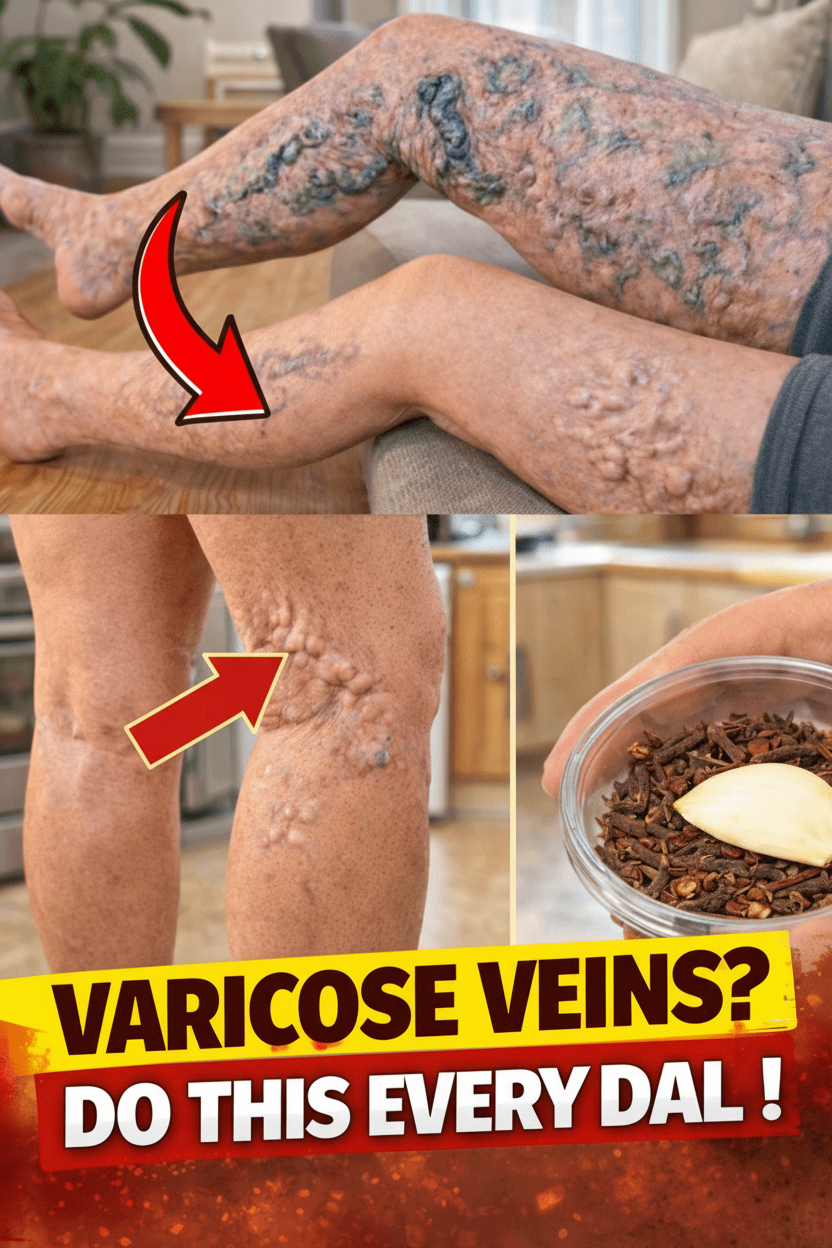
Garlic and cloves are two everyday ingredients frequently highlighted in discussions about natural approaches to circulatory support. Garlic contains potent compounds, most notably allicin, which has been recognized in some cardiovascular studies for its anti-inflammatory properties and its potential to promote relaxation of blood vessels. Cloves, on the other hand, provide eugenol, an active compound that may contribute to mild anti-inflammatory action and overall wellness.
While robust clinical evidence directly proving their efficacy against varicose veins is still developing, many individuals choose to integrate these ingredients into their routines for general circulatory benefits. Here’s a gentle way people often experiment with them:
A Simple Supportive Garlic-Clove Blend Idea (for dietary or topical exploration – always perform a patch test on skin first):
- Gently crush 4-6 fresh garlic cloves and a small handful of whole cloves.
- Mix these with a carrier oil, such as olive oil, to create a mild infusion.
- Allow the mixture to sit briefly, then use sparingly (always consult a healthcare professional before applying any new substance to your skin, especially if you have existing skin conditions or varicose veins).
Alternatively, both garlic and cloves can be readily incorporated into your meals for internal support—think garlic in savory stir-fries or a hint of cloves in herbal teas. This combination draws upon traditional wisdom where these ingredients were valued for their perceived ability to support healthy blood flow. The natural sulfur compounds in garlic and the rich antioxidants in cloves may, over time, contribute to reduced inflammation when part of a balanced nutritional regimen.
Potential Benefits at a Glance:
- Garlic: May assist in relaxing blood vessels and supporting healthy blood pressure levels.
- Cloves: Offer valuable antioxidants that help combat everyday oxidative stress throughout the body.
- Together: When consumed as part of a healthy diet, they can provide synergistic support for overall circulatory wellness.