 By admin
 Empowering Your LES: Natural Habits and Exercises for Effective Acid Reflux Management
Many individuals are familiar with the uncomfortable burning sensation in the chest, often referred to as heartburn, that frequently follows meals. This common discomfort can disrupt sleep, interfere with daily activities, and become a source of ongoing frustration. It occurs when stomach contents, including digestive acids, flow back up into the esophagus, leading to irritation and potentially impacting overall well-being. While this experience is widespread, the good news is that strategic adjustments to your daily routine can significantly alleviate symptoms. Furthermore, there’s a less-explored approach that holds considerable promise for long-term relief – continue reading to discover it.
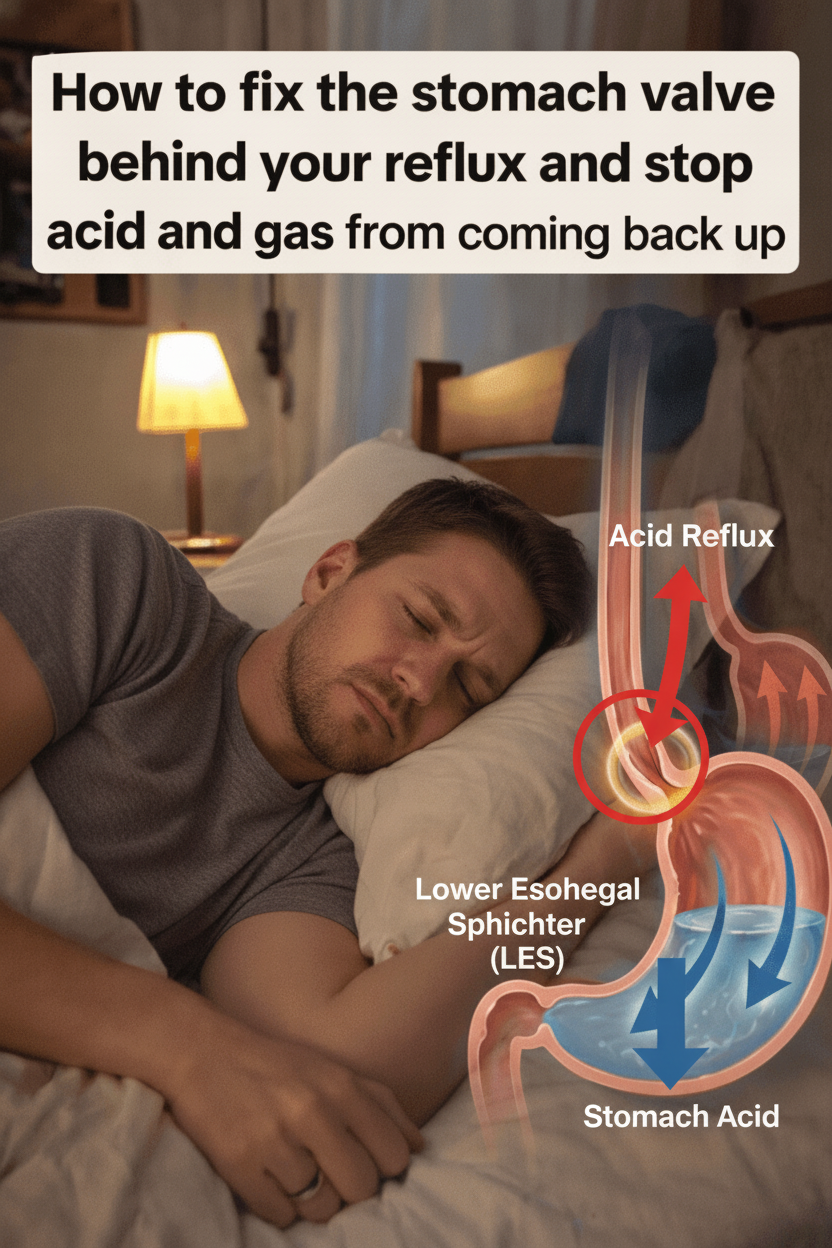
Understanding the Role of the Lower Esophageal Sphincter (LES)
The Lower Esophageal Sphincter (LES) serves as a crucial muscular gateway positioned at the junction of your esophagus and stomach. Its primary function is to relax and open, allowing food and liquids to pass into the stomach, and then to promptly tighten and close, preventing stomach acids and digested food from refluxing back into the delicate esophageal lining. When this vital muscle weakens or malfunctions, it can result in the familiar symptoms of acid reflux, also known as Gastroesophageal Reflux Disease (GERD).
Several factors can compromise the LES’s effectiveness, including specific dietary choices, lifestyle habits, and even body posture. Extensive research underscores the significant role lifestyle plays in maintaining optimal LES function. For instance, studies indicate that achieving and maintaining a healthy weight can be highly beneficial, as excess abdominal pressure can directly impact the LES. But the journey to a stronger LES doesn’t end there. Let’s explore practical, actionable strategies you can integrate into your daily life.
Lifestyle Adjustments to Support LES Function
Implementing minor shifts in your daily habits can yield substantial improvements in managing acid reflux. Begin by re-evaluating your eating patterns:
- Optimize Meal Timing and Size: Instead of consuming large, heavy meals, opt for smaller, more frequent portions throughout the day. This approach reduces the burden on your digestive system, allowing it to process food more efficiently without overtaxing the LES.
- Mind Your Post-Meal Posture: Aim to remain upright for at least three hours after eating. Gravity is a powerful ally in keeping stomach contents where they belong.
- Elevate Your Sleeping Position: If nighttime reflux is an issue, consider elevating the head of your bed by 6-8 inches. This can be achieved using risers under the bed legs, which is generally more effective and comfortable than stacking pillows, which can strain your neck.
- Quit Smoking: Nicotine is known to relax the muscles in the digestive tract, including the LES, making it easier for stomach acid to escape. Quitting smoking is a critical step for reflux management and overall health.
- Limit Alcohol Consumption: Similar to nicotine, alcohol can relax the LES and irritate the esophageal lining, exacerbating reflux symptoms. Reducing intake can be highly beneficial.
- Wear Loose-Fitting Clothing: Tight garments around the waist can exert additional pressure on your abdomen, potentially pushing stomach contents upwards.
- Prioritize Stress Reduction: Chronic stress can negatively impact digestion and may worsen reflux symptoms. Incorporate stress-management techniques such as deep breathing exercises, meditation, or yoga into your routine.
- Stay Hydrated Thoughtfully: Sip water consistently throughout the day rather than consuming large volumes during meals, which can distend the stomach.
These straightforward adjustments can seamlessly integrate into most lifestyles, providing a foundation for improved digestive comfort. Next, let’s explore the critical role of your diet.
Dietary Strategies for Acid Reflux Management
The foods you consume significantly influence acid reflux. While some items can act as triggers, others possess soothing properties. Focus on incorporating alkaline-rich foods into your diet, which can help neutralize stomach acid and promote balance:
- Alkaline Foods: Include items like bananas, melons, and oatmeal. These foods have a higher pH level, which can help mitigate acidity.
- Ginger’s Soothing Power: Ginger is renowned for its natural anti-inflammatory and digestive-soothing properties. Adding fresh ginger to teas or meals can provide gentle relief.
- Diluted Lemon Water: While lemons are acidic, a small amount of fresh lemon juice diluted in warm water can have an alkalizing effect once metabolized by the body.
- High-Fiber Foods: Whole grains, vegetables, and fruits promote healthy digestion and help ensure food moves efficiently through the digestive tract, reducing the likelihood of stagnation and reflux.
Conversely, it’s crucial to identify and avoid common trigger foods that can relax the LES or stimulate excessive acid production. These often include spicy dishes, chocolate, caffeine, fatty or fried foods, and peppermint.
Foods to Include vs. Foods to Avoid for Acid Reflux
| Foods to Include | Foods to Avoid |
|---|---|
| Bananas, Apples | Citrus Fruits |
| Oatmeal, Brown Rice | Tomato-Based Sauces |
| Lean Proteins (e.g., Chicken, Fish) | Fried or Fatty Meats |
| Green Vegetables | Chocolate and Mint |
| Ginger Tea | Caffeinated Beverages |
Introduce these dietary changes gradually and consider keeping a simple food journal to track what works best for your body. It’s important to remember that diet is one piece of the puzzle; physical activity also plays a pivotal role.
Exercises and Techniques to Strengthen Your LES
Beyond general digestive health, specific exercises can directly target and strengthen the muscles supporting your LES. This brings us to the less-known but potentially transformative approaches mentioned earlier:
1. LES Resistance Training
This innovative method aims to provide resistance to the sphincter, potentially enhancing its strength over time. To perform this:
- Position yourself on an incline where your head is lower than your stomach. A common way to achieve this is by kneeling with your forehead resting on the floor or a yoga block, ensuring your hips are higher than your head.
- While in this inverted position, swallow small sips of water or tiny portions of soft food.
- The force of gravity, combined with the act of swallowing against this incline, creates a form of resistance, similar to lifting weights for other muscles. Consistent practice may help tone and strengthen the LES.
2. Diaphragmatic Breathing (Belly Breathing)
Diaphragmatic breathing is a powerful technique that strengthens the diaphragm – the dome-shaped muscle beneath your lungs that plays a crucial role in respiration and provides support to the LES. A stronger diaphragm can help prevent stomach contents from refluxing. Here’s how to practice it:
- Lie comfortably on your back with your knees bent and feet flat on the floor.
- Place one hand on your chest and the other on your belly, just below your rib cage.
- Inhale slowly and deeply through your nose, allowing your belly to rise as your diaphragm contracts. Keep your chest as still as possible.
- Exhale slowly through pursed lips, feeling your belly gently fall.
- Focus on making your breath deep and smooth, engaging your diaphragm rather than your chest muscles.
- Practice for 5-10 minutes daily, gradually increasing duration as you become more comfortable.
By integrating these natural habits, dietary considerations, and targeted exercises, you can empower your Lower Esophageal Sphincter, significantly reduce acid reflux symptoms, and improve your overall digestive well-being.