 By admin
 Living with unexplained pelvic pain that goes far beyond typical menstrual cramps can feel overwhelming and isolating. It often shows up month after month, making it hard to focus at work, enjoy time with loved ones, or even complete simple daily tasks, leaving many women feeling drained and unsure why their bodies seem to be working against them. The emotional toll builds when symptoms are brushed off as “just bad periods,” leading to years of frustration and missed opportunities for support. But learning the basics of what’s happening inside your body can bring a sense of clarity and control — and stick around until the end for one practical daily habit that many women find surprisingly helpful in supporting their overall well-being.
What Exactly Is Endometriosis?
Alright, let’s cut to the chase: Endometriosis is a common condition where rogue tissue, similar to the lining inside your uterus, decides to set up shop in other parts of your body – think ovaries, fallopian tubes, or even your pelvic lining. This misplaced tissue isn’t just chilling; it reacts to your monthly hormonal changes, which can spark inflammation, irritation, and eventually, some nasty scar tissue. Health heavyweights like the World Health Organization and Cleveland Clinic confirm this beast affects roughly one in ten women of reproductive age globally — that’s literally millions of women battling its effects daily. But here’s the kicker: it doesn’t have to run your life, not once you get a grip on what’s truly going down.
Common Symptoms That Women Often Notice
While everyone talks about that crippling pelvic pain, Endometriosis is a master of disguise, showing up in a myriad of ways depending on where that rogue tissue decides to nest. Mayo Clinic research points out that symptoms often crank up the volume around your period thanks to hormonal shifts, but for some, the agony can just hang around all month long. Ever experienced pain during or after sex, periods that feel like a bloodbath, or a real struggle just to use the bathroom? Yeah, those are frequent complaints too. Throw in crushing fatigue, relentless bloating, and stomach-churning nausea, and suddenly, just existing feels like climbing Mount Everest. And if you thought that was all, think again — some women only stumble upon an Endometriosis diagnosis when they hit a wall trying to get pregnant. Here’s a raw look at what many women are reporting:
- Intense menstrual cramps that laugh in the face of over-the-counter painkillers.
- Chronic pelvic or lower back pain that sticks around long after your period packs up.
- Pain that makes you dread going to the bathroom, especially when Aunt Flo visits.
- Periods so heavy or unpredictable they completely hijack your life.
- Pain during or after intimacy that makes connection feel impossible.
- That never-ending fatigue, gut issues, or just feeling perpetually run down.
Studies scream it loud and clear: these experiences are a wild card, which is precisely why you need to lay it all out for your doctor – no holding back!
What Might Contribute to Endometriosis?
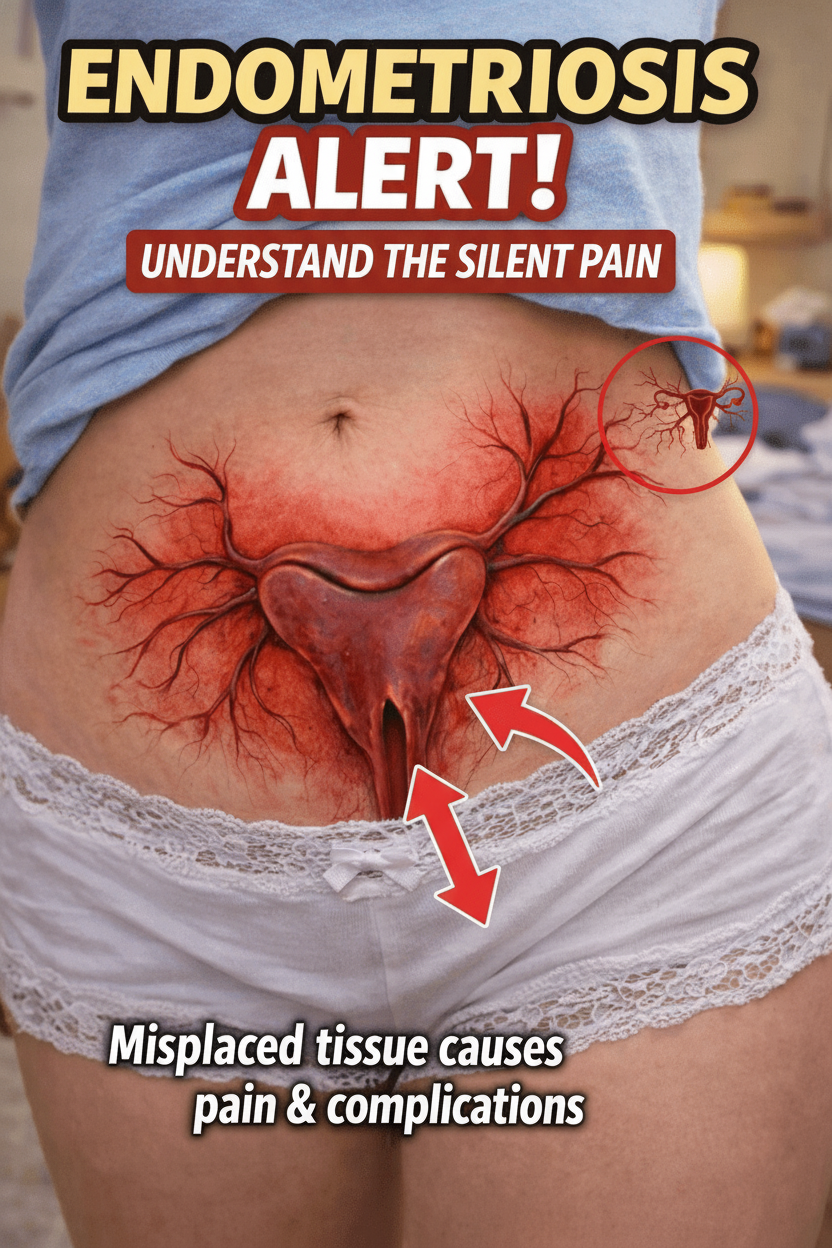
So, what’s the deal with this thing? Experts are still scratching their heads over the exact cause, but a few suspects are definitely in the lineup. Theories floating around, backed by sources like the Mayo Clinic, include wonky menstrual tissue flow, a genetic predisposition, or your immune system going a bit haywire. Got a close family member dealing with it? Your chances might be higher. Other factors, like getting your period super early or having cycles that are too short, could also play a hand in its development. But here’s the silver lining: understanding these potential connections gives you the ammunition to fight for yourself during doctor’s visits and start exploring real steps to support your body.
Why Getting Answers Can Take Time
Here’s a hard pill to swallow: getting a diagnosis for Endometriosis can be a brutal waiting game, often taking years because its symptoms are sneaky and mimic so many other common issues. Cleveland Clinic reports reveal that many women tough it out for an average of seven to ten years before finally getting some clarity. This agonizing delay just piles on the emotional baggage, doesn’t it? But listen up: becoming a detective for your own body, meticulously tracking your symptoms, and then spilling all the gritty details to a healthcare provider can seriously fast-track things. While doctors might start with scans or exams based on your story, a laparoscopy remains the gold standard, the most reliable way to truly confirm what’s going on inside.
Lifestyle Approaches That May Support Symptom Management
Look, there’s no magic bullet for Endometriosis, but don’t throw in the towel! Research strongly hints that the choices you make every single day can actually help dial down inflammation and give your body a fighting chance against this condition. We’re talking anti-inflammatory eating, getting your body moving gently, and mastering stress – these are the MVPs that pop up in studies as powerful allies to medical treatments. For example, the Cleveland Clinic and other health gurus consistently point to diets packed with specific nutrients as a game-changer for feeling more comfortable day-to-day. So, let’s get real about food; here are some battle-tested ideas many women swear by:
- Pile your plate high with fruits, veggies,