 By admin
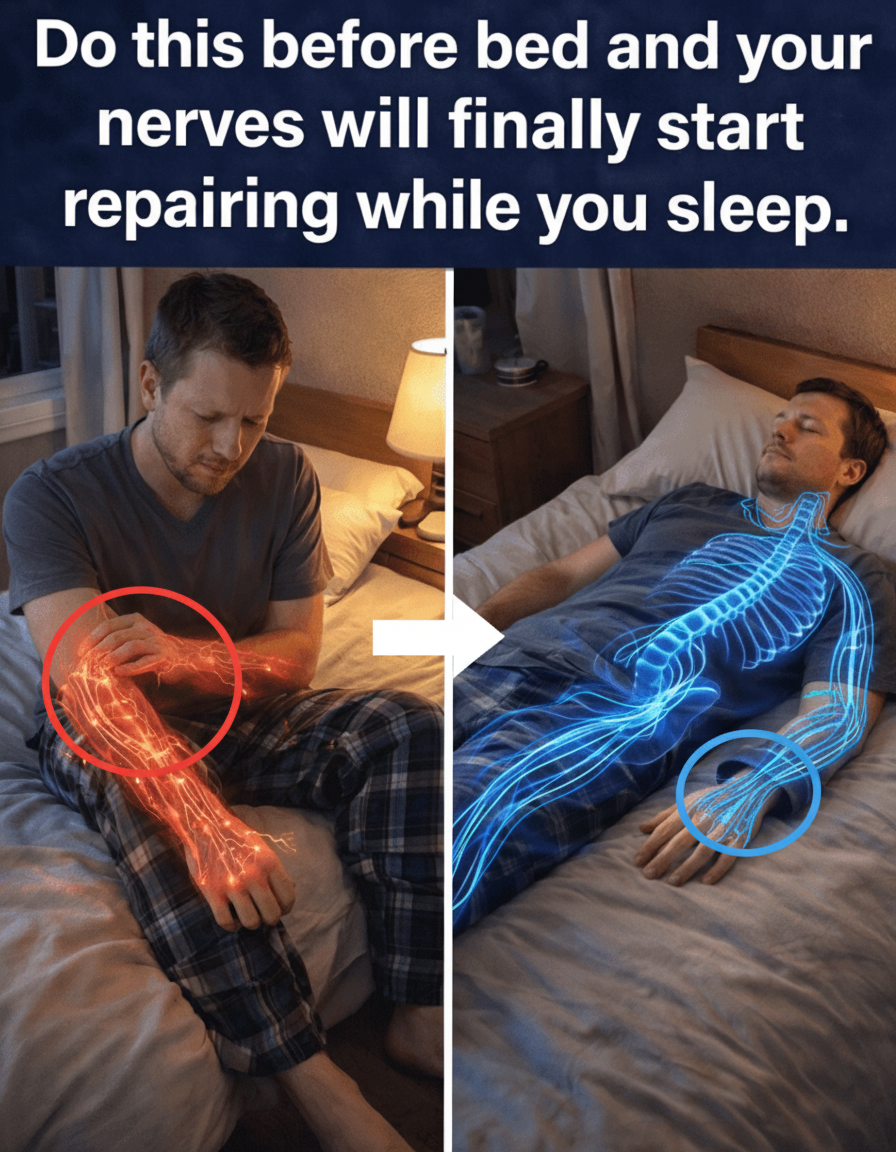
 Experiencing occasional nerve discomfort, such as tingling, numbness, or a pins-and-needles sensation, can be particularly disruptive, especially when it intensifies as night approaches. This nocturnal aggravation often interferes with vital rest, trapping individuals in a challenging cycle where inadequate sleep exacerbates daily struggles, leading to fatigue and a diminished quality of life. The good news is that integrating a few mindful practices into your evening routine can foster an optimal environment for your body’s innate regenerative mechanisms to function effectively during sleep. Moreover, a specific, yet often overlooked, routine endorsed by seasoned health professionals holds the potential to yield significant improvements when adopted consistently.
Understanding How Sleep Supports Nerve Health
Sleep is far more than just a period of rest; it’s a critical biological process during which your body undertakes essential maintenance and repair tasks. Specifically, the deeper stages of sleep provide a crucial opportunity for your nervous system to recuperate from the stresses and demands of the day. Evidence from reputable organizations, including the National Institutes of Health, highlights the pivotal role of adequate, high-quality sleep in mitigating inflammation and bolstering overall cellular well-being, a benefit that directly extends to nerve health. However, many prevalent evening habits inadvertently sabotage this vital regenerative process. For example, consuming substantial meals late in the evening or ingesting caffeine can overstimulate your system, thereby impeding your ability to enter and sustain those deeply restorative sleep phases crucial for nerve repair. The encouraging news is that even minor modifications can significantly enhance this nightly recovery window.
Common Habits That Might Hinder Nerve Recovery at Night
Before exploring beneficial evening routines, it’s essential to identify and address habits that could be undermining your body’s natural recovery processes. Establishing this foundational awareness is key to achieving optimal results, and consistency in these adjustments is paramount. Research, including findings published in the Journal of Clinical Sleep Medicine, consistently demonstrates that abstaining from stimulants in the evening can markedly improve sleep architecture—the intricate pattern and quality of your sleep cycles.
- Avoid Caffeine Post-Noon: Even a single cup of coffee consumed in the late afternoon, such as at 4 p.m., can remain active in your bloodstream well past midnight. This prolonged presence of caffeine significantly interferes with the crucial deep sleep stages where the majority of the body’s restorative work, including nerve repair, takes place.
- Conclude Meals Earlier: Strive to consume your final meal of the day at least 2 to 3 hours before your intended bedtime. This practice helps stabilize blood sugar levels and minimizes the potential for inflammatory responses that can be triggered by late-night digestion.
- Minimize Evening Screen Exposure: The blue light emitted from digital devices like smartphones, tablets, and computers is known to suppress the production of melatonin. Melatonin is a vital hormone that signals to your body that it’s time to wind down, rest, and initiate recovery processes.
While these foundational changes are crucial, they might not be sufficient on their own to address persistent nerve discomfort. This is precisely where incorporating more proactive and targeted strategies becomes invaluable.
Gentle Exercises to Boost Circulation Before Bed
An impactful method to prime your body for its nocturnal recuperation is through straightforward movements designed to optimize blood flow. Insufficient circulation can exacerbate nerve discomfort, whereas enhancing it can significantly improve the delivery of essential nutrients to compromised areas. A particularly effective and frequently recommended technique by health professionals involves simple ankle exercises. A compelling 2020 study published in the Journal of Vascular Nursing demonstrated that these specific movements led to an impressive improvement in lower limb circulation by up to 34% among study participants. Integrate this brief yet powerful routine into your evening:
- Begin by sitting comfortably on the edge of your bed, ensuring your feet are flat on the floor.
- Gently extend your toes forward as if depressing a pedal, maintaining this position for 2-3 seconds. Then, consciously pull your toes and the top of your foot back towards your shins. Perform this deliberate pumping motion 10-15 times for each foot.
- Following the pumping action, transition into making small, controlled circles with your ankles. Complete 10 rotations in a clockwise direction, and then 10 rotations in a counterclockwise direction for each ankle.
This entire sequence requires merely a minute or two and can be seamlessly incorporated as you unwind for the evening. Many individuals notice a subtle, comforting warmth in their feet post-exercise, indicating enhanced blood circulation.
Breathing Techniques to Calm Your Nervous System
The intricate connection between stress and physical sensations means that elevated stress levels can significantly intensify nerve discomfort, often creating a challenging feedback loop. Consequently, incorporating effective calming techniques into your routine is paramount. When you engage in relaxation, your autonomic nervous system naturally transitions into its “rest and digest” state, which is inherently conducive to healing and recovery. Groundbreaking research from Harvard Medical School underscores that intentional, controlled breathing exercises effectively activate this parasympathetic response, thereby diminishing the presence of detrimental stress hormones such as cortisol. Consider integrating this straightforward 4-6 breathing method:
- Begin by slowly inhaling through your nose for a precise count of four, ensuring that you feel your belly expand rather than your chest.
- Gently exhale through your mouth for a count of six, mimicking the sensation of softly fogging a mirror.
- Continue this rhythmic breathing pattern for 5-10 repetitions, consciously directing your focus toward releasing any accumulated tension in your shoulders and jaw.
This simple yet profound practice not only prepares your mind and body for a restful night’s sleep but also establishes an internal environment where your body can optimally prioritize its repair and regeneration processes. An added advantage is that this technique is entirely free and requires no specialized equipment.
Nutritional Support for Evening Nerve Care
The dietary choices you make in the evening can profoundly impact your body’s overnight physiological processes, including nerve recovery. A broad scientific consensus acknowledges that specific nutrients are vital for maintaining optimal nerve function and overall neurological health. For instance, B vitamins, particularly B1, B6, and B12, are crucial for nerve signal transmission and myelin sheath integrity, which protects nerve fibers. Similarly, magnesium is an essential mineral involved in hundreds of bodily reactions, including nerve impulse conduction and muscle relaxation, which can directly alleviate nerve-related discomfort. While this article focuses on routines, consulting with a healthcare professional or a registered dietitian can provide personalized guidance on incorporating these and other nerve-supporting nutrients into your diet for enhanced evening care.