 By admin
 Many individuals often dismiss subtle shifts in their well-being—changes in energy levels, skin condition, or general comfort—as mere consequences of daily stress or the natural aging process. However, these seemingly minor alterations can sometimes indicate more profound health issues, such as the accumulation of fat within the liver, a condition impacting a significant global population.
Experiencing persistent fatigue or noticing unexplained skin changes might prompt you to question what’s truly happening inside your body. The encouraging news is that recognizing these indicators early empowers you to make proactive decisions about your health. Understanding these signals is the first step toward safeguarding your liver’s vitality.
Why Fatty Liver Disease (MASLD) Deserves Your Attention
Once primarily known as Non-Alcoholic Fatty Liver Disease (NAFLD), this condition is now more precisely termed Metabolic Dysfunction-Associated Steatotic Liver Disease (MASLD). It has become increasingly prevalent, largely driven by contemporary dietary patterns and sedentary lifestyles. Organizations like the American Liver Foundation highlight that up to 40% of adults in the United States may be affected, often without initial awareness.
MASLD involves an excessive buildup of fat within the liver cells, which can progressively impair the organ’s critical functions over time. Furthermore, research published in reputable journals such as Hepatology reveals robust connections between MASLD and various metabolic challenges, including insulin resistance, central obesity, and diets rich in refined sugars and processed foods. A lack of physical activity further exacerbates these risks, making MASLD a growing concern for many navigating modern life.
The crucial takeaway is understanding how everyday choices directly influence liver health. While MASLD can advance if left unaddressed, recognizing its potential indicators allows for timely discussions with healthcare professionals. This proactive awareness is fundamental to supporting liver health through targeted lifestyle modifications.
8 Potential Warning Signs of Fatty Liver Disease
Identifying the early manifestations of MASLD can be challenging because its symptoms often overlap with those of other common ailments. Below, we delve into eight key indicators that medical research and clinical observations frequently associate with fatty liver disease.
1. Unexplained, Persistent Fatigue
Feeling constantly drained, even after adequate rest, is one of the most frequently reported symptoms. A study featured in the Journal of Hepatology underscores the liver’s pivotal role in energy metabolism, suggesting a direct link between liver dysfunction and chronic tiredness. If your energy consistently plummets during the afternoon, it warrants closer attention.
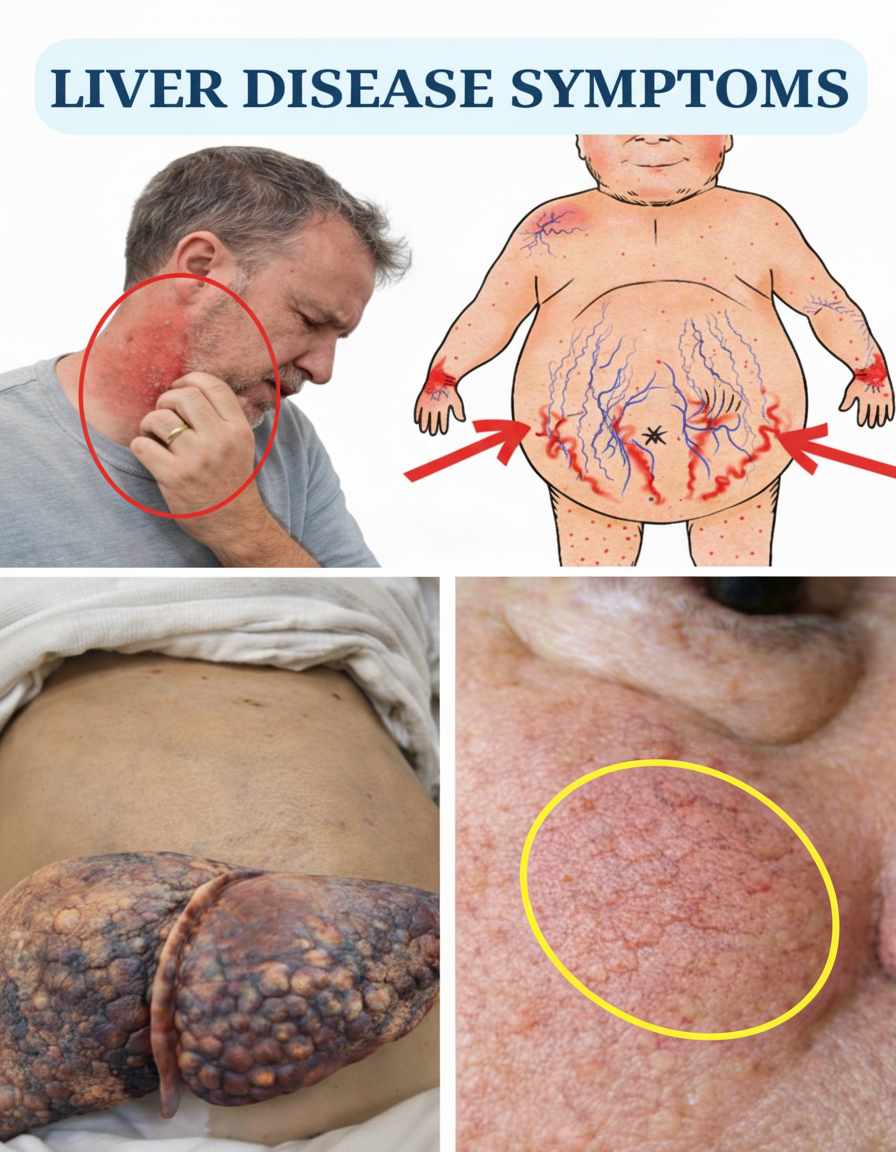
2. Small Spider-Like Veins on the Skin (Spider Angiomas)
These delicate, red or purplish, web-like patterns, medically termed spider angiomas, may emerge on the face, chest, or arms. They stem from alterations in blood vessel function, often intricately connected to overall liver health, as documented in various dermatology research. Many individuals tend to dismiss these as minor cosmetic flaws, yet they can indeed serve as subtle indicators of internal physiological shifts.
3. Redness and Warmth in the Palms (Palmar Erythema)
Palmar erythema is characterized by unusually flushed and warmer palms. This phenomenon is attributed to specific hormonal and vascular changes, frequently observed in individuals with liver conditions, as noted in studies from institutions like the Mayo Clinic.
4. Ongoing Abdominal Bloating or Discomfort
Persistent and unexplained swelling in the abdominal region, particularly if it intensifies towards the evening, might signal fluid retention. Research published in Gastroenterology journals links this symptom to more advanced stages of fat accumulation in the liver. It’s vital to recognize that such bloating isn’t always a result of overeating; observing its patterns can provide valuable insights.
5. Prominent Veins on the Abdomen
Visibly distended or enlarged veins across the surface of the stomach can develop when blood flow is compromised. This becomes a more discernible sign in cases where liver disease is progressing, as detailed in comprehensive medical literature on liver conditions.
6. Unrelenting Itchy Skin Without a Clear Cause
Persistent itching, especially affecting the palms, soles, or presenting as widespread pruritus, often arises from the buildup of substances that the liver typically metabolizes and eliminates. Studies in the British Journal of Dermatology emphasize this as a significant diagnostic clue. If this itching disrupts your sleep or daily activities, it’s imperative to seek medical evaluation.
7. Dull Ache in the Upper Right Abdomen or Back
A persistent, dull ache, pressure, or tightness situated under the right rib cage or between the shoulder blades can often be referred pain originating from the liver’s location. Clinical reviews published in The Lancet associate this discomfort with inflammation or enlargement of the liver.
8. Skin Darkening in Specific Areas (Acanthosis Nigricans)
Dark, velvety patches of skin appearing on the neck, armpits, or groin—a condition known as acanthosis nigricans—are strongly associated with insulin resistance, a primary contributing factor to MASLD, according to extensive endocrine research. Recognizing these skin changes can be a key indicator of underlying metabolic issues.
Recognizing these subtle signs is crucial for early intervention. If you experience any of these symptoms, it is highly recommended to consult a healthcare professional for an accurate diagnosis and personalized advice. Proactive management of liver health can significantly improve long-term outcomes.