 By admin
 Fenbendazole and Cancer: Cutting Through the Hype, Understanding the Retracted Study, and Expert Warnings You Can’t Ignore
Let’s be real: facing advanced cancer is a gut-wrenching journey. It throws your whole world into chaos, from battling symptoms daily to the nail-biting wait for every scan. That emotional toll? It’s crushing. Especially when standard treatments leave you with more questions than answers, pushing families to desperately scour the internet for *anything* else. And what do they often stumble upon? Wild stories about everyday drugs suddenly becoming miracle cures, sparking a dangerous mix of hope and confusion. Remember that one specific case series from 2025? The one that blew up social media, plastered with patient photos and drug packets? Here’s the bombshell most of those viral posts conveniently forget to tell you: that whole report has been officially pulled – retracted – by the journal. Getting the full, unvarnished truth is your only shot at making smart decisions when it matters most.
What Exactly Is Fenbendazole? (And Why It’s NOT For You)
So, what’s the deal with Fenbendazole? Let’s get straight to it: this stuff is an antiparasitic drug, explicitly approved for animals – think cats, dogs, livestock – to kick nasty intestinal worms and other parasites to the curb. You’ll find it as tablets or powders, usually under names like Wormintel-1000, clearly marked for veterinary use. Its active ingredient is from the benzimidazole family, which basically starves parasites by messing with their nutrient absorption. Sure, some folks have gotten a wild hair lately, wondering if it could do more than just deworm Fido, thanks to some early lab chatter. But let’s be crystal clear: it’s an animal product, period. It’s not designed, formulated, or rigorously tested for your body like human prescription meds are.
Look, it’s human nature to get curious about “repurposed” drugs – using an old drug for a new trick. But here’s the cold, hard truth: every single expert out there will tell you, loud and clear, that animal medications operate on a whole different planet when it comes to safety standards. Don’t get it twisted.
How Fenbendazole Crashed the Cancer Party (And Why It Got Kicked Out)
So, how did this animal dewormer suddenly become the talk of the cancer world? The real explosion happened after a 2025 paper dropped, provocatively titled “Fenbendazole as an Anticancer Agent? A Case Series of Self-Administration in Three Patients.” This report profiled three unlucky souls battling advanced breast cancer, melanoma, and prostate cancer. The original story claimed these patients, on their own dime and without chemo, tacked Fenbendazole onto their existing treatments. Allegedly, they later saw “positive scans” and cruised along for nearly three years with “no noticeable side effects.” Naturally, images — like the one with three patients hooked up to IVs and a close-up of those pink Fenbendazole tablets — went absolutely ballistic online, fueling headlines that screamed miracle cures. But hold on tight, because what came next flips this whole narrative on its head.
The CRUCIAL Update Everyone’s Missing: That Paper Got AXED.
Alright, here’s the unsexy, inconvenient truth that most clickbait headlines conveniently skipped: the journal Case Reports in Oncology (backed by Karger) didn’t waste any time. They officially retracted that sensational paper practically right after it hit the web in May 2025. Yeah, you heard that right – retracted.
Now, what does “retracted” even mean? It’s when serious red flags pop up, basically throwing the reliability of the whole thing into question. We’re talking undeclared conflicts of interest, dodgy data, or other editorial screw-ups. Even the original authors, to their credit, admitted their “study” was just three people and couldn’t actually prove Fenbendazole caused anything. It was just an observation, a snapshot, nothing more.
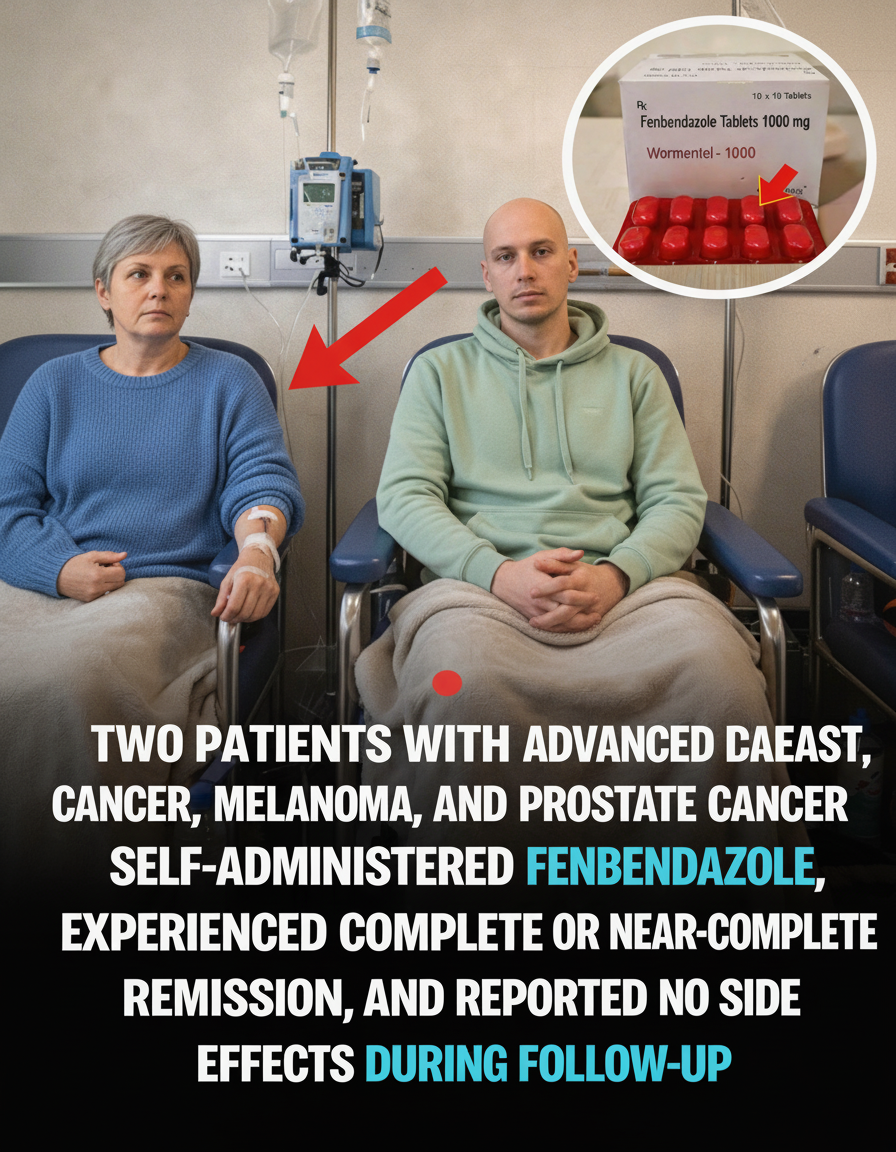
This isn’t some conspiracy; it’s a standard, albeit sobering, part of real science. It’s a stark reminder: a captivating story about a handful of people, no matter how emotionally powerful, is not the same as robust, large-scale clinical trials. While lab coats are busy exploring how Fenbendazole might tinker with cell structures or energy use in petri dishes, those findings are strictly in the research sandbox right now. And here’s the kicker: this whole mess perfectly illustrates how fast garbage information can go viral online, long before anyone bothers to check the actual scientific facts.
What Laboratory Research Has Actually Shown (And Why It’s Still Not a Cure)
Okay, so what have the scientists been up to in their labs? For years, they’ve been poking and prodding Fenbendazole in petri dishes and animal models. Some studies hint it might mess with cell growth and metabolism, which sounds promising on paper. For instance, we’ve seen it:
- Screwing up microtubule formation, which is crucial for cells to divide.
- Potentially mucking with how certain cell types gobble up glucose.
- Interacting with proteins that basically decide if a cell lives or dies.
Now, these biological shenanigans do echo how some established, approved cancer drugs operate, which is exactly why researchers keep kicking the tires on this topic. But here’s the deal-breaker: what happens in a lab dish or a mouse *does not* automatically mean it’s safe or effective for you. We’re talking a monumental leap. Until massive, controlled human trials are completed – and let me tell you, *none* have been to date – any talk of Fenbendazole as a human cancer treatment is pure speculation, and frankly, dangerous.
Real-World Safety Concerns You’d Be CRAZY To Ignore
Sure, that now-retracted case series *claimed* its tiny group had no problems. But don’t let that lull you into a false sense of security. The brutal reality from other legitimate medical publications paints a starkly different, far more terrifying picture. We’re seeing multiple, documented cases of people who decided to play doctor with veterinary Fenbendazole, only to end up with severe, drug-induced liver injury. This isn’t theoretical; this is real people, real harm. Your liver is not a guinea pig for animal medicine.
Navigating cancer treatment is tough enough without falling for unproven remedies. Always prioritize evidence-based medicine and consult with your healthcare team. Don’t let viral misinformation steer you wrong. Stay informed, stay safe.
Want to cut through more health misinformation? Keep exploring dogpjs.com for expert insights and reliable information. Your health deserves the truth!