 By admin
 Fenbendazole for Cancer? Unpacking the Hype, the Retracted Study, and What Experts *Really* Want You to Know
Dealing with advanced cancer? Man, that’s a gut punch, right? Every day feels like a minefield – managing symptoms, dreading the next scan, just trying to find some answers. The emotional baggage? It’s crushing, especially when standard treatments leave you scratching your head, and you’re desperate, scouring the internet for a miracle. That’s where stories about everyday drugs suddenly becoming ‘cancer cures’ pop up, sparking a wildfire of hope mixed with a whole lot of confusion. Remember that buzz about a 2025 case series, plastered all over social media with pics of patients and drug packets? Yeah, that one. But here’s the kicker, the part those viral posts conveniently forget to mention: that whole report? It got pulled. Retracted. And getting the full scoop is crucial if you want to make smart moves, not just hopeful guesses.
So, What’s the Real Deal with Fenbendazole, Anyway?
Alright, let’s cut to the chase. Fenbendazole? It’s basically dewormer for your pets. We’re talking about an antiparasitic drug, approved for animals, to kick out those nasty intestinal worms and other critters. You’ll find it in tablets or powders, usually with ‘for veterinary use only’ slapped all over it, under names like Wormintel-1000. It’s a benzimidazole, meaning it messes with how parasites eat and survive. Now, sure, some folks got curious because of some early lab experiments hinting at more. But let’s be crystal clear: this is a vet product. It’s not cooked up or tested for humans like your doctor’s prescriptions. And while it’s totally normal to wonder if old drugs can learn new tricks, experts are screaming from the rooftops: animal meds and human meds? Totally different safety playgrounds. Don’t get it twisted.
How Did Fenbendazole Even Get Dragged Into This Cancer Talk?
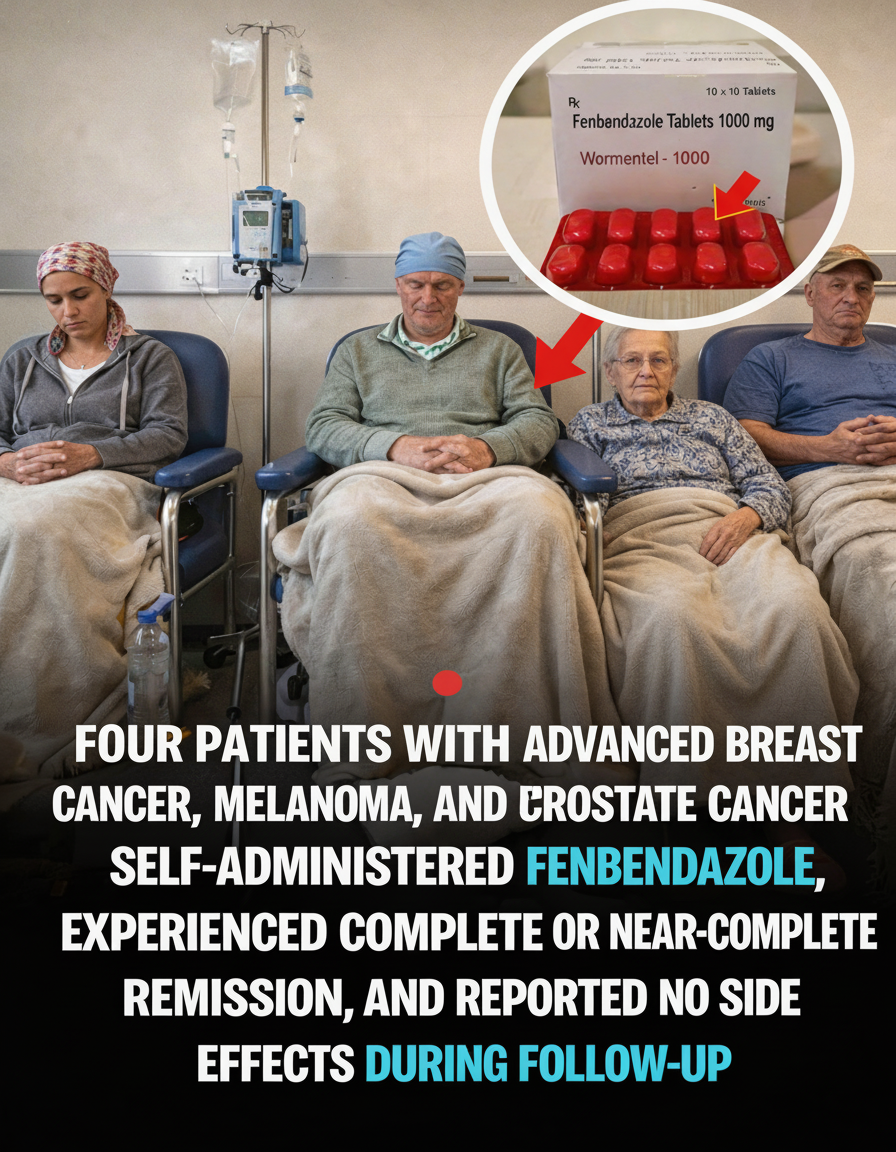
So, where did all this cancer talk even start? It blew up after a 2025 paper dropped, provocatively titled “Fenbendazole as an Anticancer Agent? A Case Series of Self-Administration in Three Patients.” This report was about three brave souls battling advanced breast cancer, melanoma, and prostate cancer. The story went that these patients, without chemo, just added fenbendazole to their routine. And get this: they supposedly had positive scans and zero side effects for up to three years! You probably saw the pics everywhere – patients hooked up to IVs, a close-up of those little pink fenbendazole tablets, all plastered with headlines screaming ‘miracle cure.’ It was everywhere! But hold onto your hats, because what happened next completely flips this whole narrative on its head.
The HUGE Catch Most People Missed: That ‘Miracle’ Paper Got Pulled!
Here’s the bombshell: the journal Case Reports in Oncology (yeah, Karger) yanked that paper faster than you can say ‘false hope,’ right after it dropped in May 2025. Why? Because when red flags pop up – like hidden conflicts of interest or dodgy editorial stuff – journals don’t mess around. Even the original authors *admitted* it was just three people and couldn’t *prove* fenbendazole was the magic bullet; it was just an observation. Look, retractions happen in science, it’s part of cleaning house. It’s a harsh reminder that a single, feel-good story, no matter how heartbreakingly compelling, is not a real clinical trial. Sure, some lab studies hint that fenbendazole might mess with cell structures or energy – interesting stuff, but it’s still deep in the ‘maybe someday’ research pile. The real lesson here? How fast a half-baked story can go viral online, long before anyone gets the real scientific picture.
Beyond the Hype: What Science *Really* Says About Fenbendazole (So Far)
Alright, let’s talk about the *actual* science, not just the whispers. For years, eggheads in labs have been poking and prodding fenbendazole in petri dishes and on animal models. And yeah, some studies suggest it *might* mess with how cancer cells grow and get their energy. We’re talking things like: Disruption of microtubule formation, which helps cells divide; Potential effects on glucose uptake in certain cell types; and Interactions with proteins that regulate cell survival. Sounds promising, right? These mechanisms *are* similar to how some *real*, approved cancer drugs work, which is why researchers are still looking into it. But here’s the cold, hard truth: what happens in a lab dish or a mouse *does not* automatically mean it’s safe or effective for you, a human being. We need massive, controlled human trials – the real deal – before anyone can say anything conclusive. And guess what? Zero. Zip. None of those trials have been completed for fenbendazole in cancer patients.
Self-Medicating with Fenbendazole? Think Again! The Nasty Side Effects Experts Are Seeing
Now, that retracted paper might have *claimed* ‘no issues’ for its tiny group, but let me tell you, other medical journals are painting a *much* darker picture. We’re talking about documented cases – real people – who self-administered this veterinary fenbendazole and ended up with severe, drug-induced liver injury. Yeah, your liver, the organ that keeps you alive, getting messed up. This isn’t just a ‘maybe,’ it’s a ‘happening now’ for folks taking matters into their own hands. Think about that before you even *consider* popping those pet pills.
We hope this deep dive has given you the straight talk you need about Fenbendazole and cancer. Your health is too important for rumors and half-truths. Stay informed, stay critical, and always consult with trusted medical professionals. For more essential health insights and myth-busting articles, keep exploring our site!