 By admin
 Many individuals today face challenges in maintaining optimal blood sugar levels, a concern that frequently intensifies with age and is influenced by dietary habits and lifestyle choices. The experience of fluctuating energy, post-meal fatigue, or anxieties about long-term metabolic health can be quite daunting. However, emerging research suggests that incorporating certain nutrient-dense foods, such as fenugreek seeds, into one’s daily regimen might offer valuable supportive effects. It’s always crucial to explore such options under the guidance of a healthcare professional. Could a simple, readily available seed from your pantry potentially contribute to your overall wellness journey? Let’s delve into the scientific insights regarding fenugreek seeds.
What Exactly Are Fenugreek Seeds?
Fenugreek, scientifically known as Trigonella foenum-graecum, is an annual herb belonging to the legume family. Its small, golden-brown seeds are a staple spice in various cuisines, including Indian, Middle Eastern, and Mediterranean dishes, known for their distinctive slightly bitter, maple-like aroma and flavor. Beyond their culinary appeal, these seeds are a powerhouse of nutrition.
They are particularly rich in soluble fiber, along with significant amounts of protein, iron, and magnesium. Furthermore, fenugreek seeds contain an array of beneficial bioactive compounds such as saponins, flavonoids, and alkaloids. The high soluble fiber content is noteworthy; when soaked, these seeds develop a gel-like consistency, which is believed to play a role in how the body processes carbohydrates and other nutrients. Studies indicate that fenugreek’s potential health benefits stem from this fiber, which can help slow down carbohydrate absorption, and from compounds that may enhance insulin sensitivity.
Potential Health Benefits Supported by Research
Numerous studies, ranging from small-scale clinical trials to comprehensive reviews, have investigated fenugreek’s impact on metabolic health. Here are some key findings:
Support for Blood Sugar Management
Several investigations suggest that consuming fenugreek seeds or their powdered form may contribute to lowering fasting blood glucose and improving the body’s insulin response, particularly in individuals with type 2 diabetes. For instance, incorporating fenugreek into meals or taking it as a dietary supplement has demonstrated modest reductions in post-meal blood sugar spikes. This effect is largely attributed to its soluble fiber, which delays gastric emptying and nutrient absorption.
Influence on Cholesterol and Lipid Profiles
Some research indicates that fenugreek may play a role in maintaining healthier lipid profiles. It has been observed to potentially reduce total cholesterol and low-density lipoprotein (LDL), often referred to as ‘bad’ cholesterol, while simultaneously supporting healthy levels of high-density lipoprotein (HDL), or ‘good’ cholesterol.
Other Areas of Interest for Wellness
Beyond its metabolic effects, preliminary research highlights fenugreek’s anti-inflammatory and antioxidant properties, which could broadly contribute to overall well-being. Historically, it has also been utilized to aid digestion and, in certain cultures, to support milk production in breastfeeding individuals. These beneficial effects are typically observed with consistent daily intake (often ranging from 5 to 25 grams in studies), though individual responses can vary based on dosage, preparation, and personal physiology.
Integrating Fenugreek Seeds into Your Daily Routine
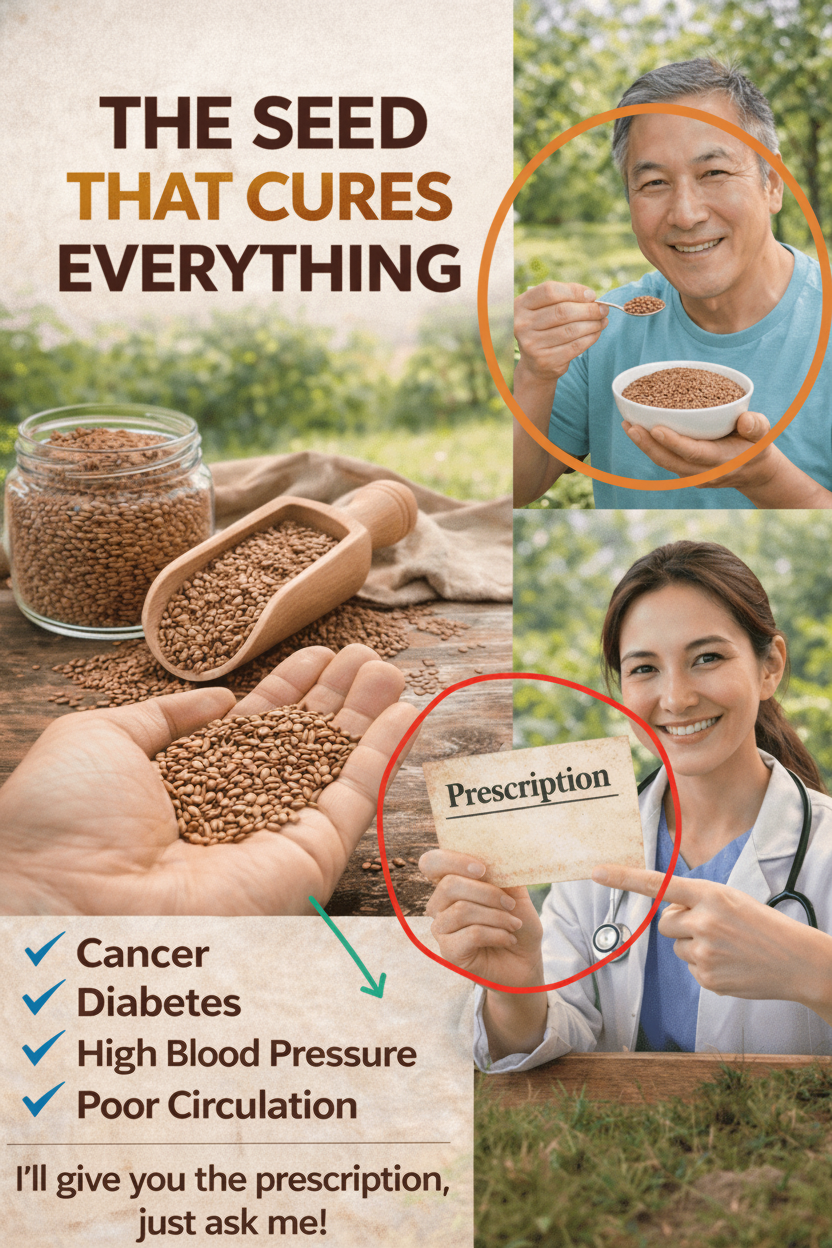
If you’re considering adding fenugreek to your diet, it’s wise to begin with small quantities and, crucially, consult with a healthcare provider beforehand. This is especially important if you have pre-existing conditions like diabetes, are taking medications, or are pregnant. Here are some practical and simple ways to incorporate them:
- Soaked Seeds: A traditional and gentle method involves soaking 1 teaspoon of seeds in water overnight. In the morning, you can drink the water, with or without consuming the softened seeds.
- Sprouted or Powdered: Sprouted fenugreek seeds make a nutritious addition to salads. Alternatively, fenugreek powder can be easily blended into curries, herbal teas, or morning smoothies.
- As a Culinary Spice: Lightly roast the seeds and grind them to add a unique flavor and potential health benefits to various dishes.
Begin with minimal amounts to gauge your body’s reaction. Some individuals might notice a faint, harmless maple-like scent in their sweat or urine, which is a common and benign side effect.
Important Considerations and Safety Guidelines
Fenugreek is generally recognized as safe when consumed in typical food amounts. However, higher doses, particularly those found in supplements, can sometimes lead to mild side effects such as digestive upset, bloating, gas, or allergic reactions (especially in those sensitive to other legumes like peanuts or chickpeas). It’s also important to be aware that fenugreek may interact with certain medications, including blood-thinning agents and diabetes medications, potentially amplifying their effects. Always prioritize evidence-based approaches to health management: a balanced diet, regular physical activity, and consistent medical advice remain the cornerstones for addressing any health concerns.
Conclusion
Fenugreek seeds offer intriguing nutritional support, particularly for individuals focusing on blood sugar regulation and metabolic wellness, according to current research. While they are not a miraculous cure or a substitute for professional medical care, thoughtfully integrating them into your daily habits could be a straightforward step towards fostering better overall health. Have you ever tried fenugreek, or do you have questions about its safe usage?
Frequently Asked Questions
What is the most effective way to consume fenugreek seeds for their potential health benefits?
A widely favored and gentle method involves soaking 1-2 teaspoons of fenugreek seeds overnight in water and consuming the water (along with the seeds, if preferred) in the morning. Additionally, powdered fenugreek can be easily added to various foods. It’s recommended to start with a small dosage and carefully monitor your body’s response.
Are there any known side effects associated with fenugreek seeds?
Common side effects are typically mild and may include digestive discomforts such as bloating or diarrhea. A harmless, yet sometimes noticeable, maple syrup-like odor in sweat or urine can also occur.