 By admin
 Have you ever paused after using the restroom, noticing persistent bubbles or a frothy layer in the toilet bowl that doesn’t quickly dissipate? This common observation can certainly spark a moment of concern, especially if it seems to be happening more frequently than usual. That unsettling, sudsy appearance might leave you wondering if there’s an underlying health issue. Fortunately, occasional bubbles in urine are often benign, but understanding the potential reasons behind them can offer peace of mind and guide you toward simple health-supporting actions.
In this article, we’ll thoroughly explore the everyday causes of foamy urine, identify when it might signal something that warrants further investigation, and share practical habits you can adopt immediately. Stay with us until the end, where we’ll reveal some surprising daily factors influencing urine appearance and provide easy methods for tracking changes over time.
What Exactly Is Foamy Urine?
Foamy urine is characterized by a persistent layer of fine, white, or off-white bubbles that remain on the surface of the toilet water for an extended period, sometimes even after flushing. This distinct characteristic sets it apart from typical bubbles, which are usually larger, transparent, and dissipate almost instantly. Leading health institutions such as the Cleveland Clinic and Mayo Clinic confirm that everyone experiences some degree of bubbling in their urine occasionally. The critical differentiating factor is the persistence of the foam: if these bubbles consistently linger, it could indicate an interaction between urine components and water, or other physiological elements within the body. However, that’s just one piece of the puzzle. Let’s delve into the most frequent explanations for this phenomenon.
Common Harmless Causes of Bubbles in Urine
In many instances, the appearance of foamy urine can be attributed to temporary and benign everyday circumstances that typically resolve without intervention. These common factors often explain why you might occasionally observe bubbles without any underlying health concerns.
Forceful or Rapid Urination
When your bladder is exceptionally full, and you release urine with significant speed and force, the stream can impact the toilet water vigorously. This action traps air bubbles, resulting in a frothy appearance, much like pouring a liquid from a height creates suds. Medical observations frequently cite this as one of the most common and harmless explanations for temporary urine foam.
Dehydration and Concentrated Urine
Insufficient fluid intake leads to more concentrated urine. This higher concentration of dissolved waste products can reduce the surface tension, making the urine more prone to frothing. Concentrated urine also often presents with a darker yellow hue. Increasing your daily water intake helps to dilute the urine, which can noticeably diminish or eliminate this frothy effect.
Toilet Bowl Cleaners or Residue
Sometimes, the foam isn’t directly related to your urine’s composition but rather to what’s already in the toilet. Chemical cleaning agents or residual substances present in the toilet bowl can react with urine, causing additional bubbles to form. If you notice foamy urine predominantly in specific bathrooms, it’s worth considering the cleaning products used as a potential cause.
When Foamy Urine Might Point to Something Else
While sporadic foamy urine is generally benign, its persistent or worsening presence can occasionally signal elevated levels of protein in the urine, a condition medically termed proteinuria. Proteins, particularly albumin, possess surfactant-like properties, enabling them to reduce surface tension and create more stable, long-lasting bubbles, much like how soap produces suds. Renowned health institutions, including the Mayo Clinic and Cleveland Clinic, elucidate that proteinuria often indicates an issue with kidney function. The kidneys’ intricate filters, which are designed to retain proteins in the bloodstream, may inadvertently allow larger quantities to leak into the urine.
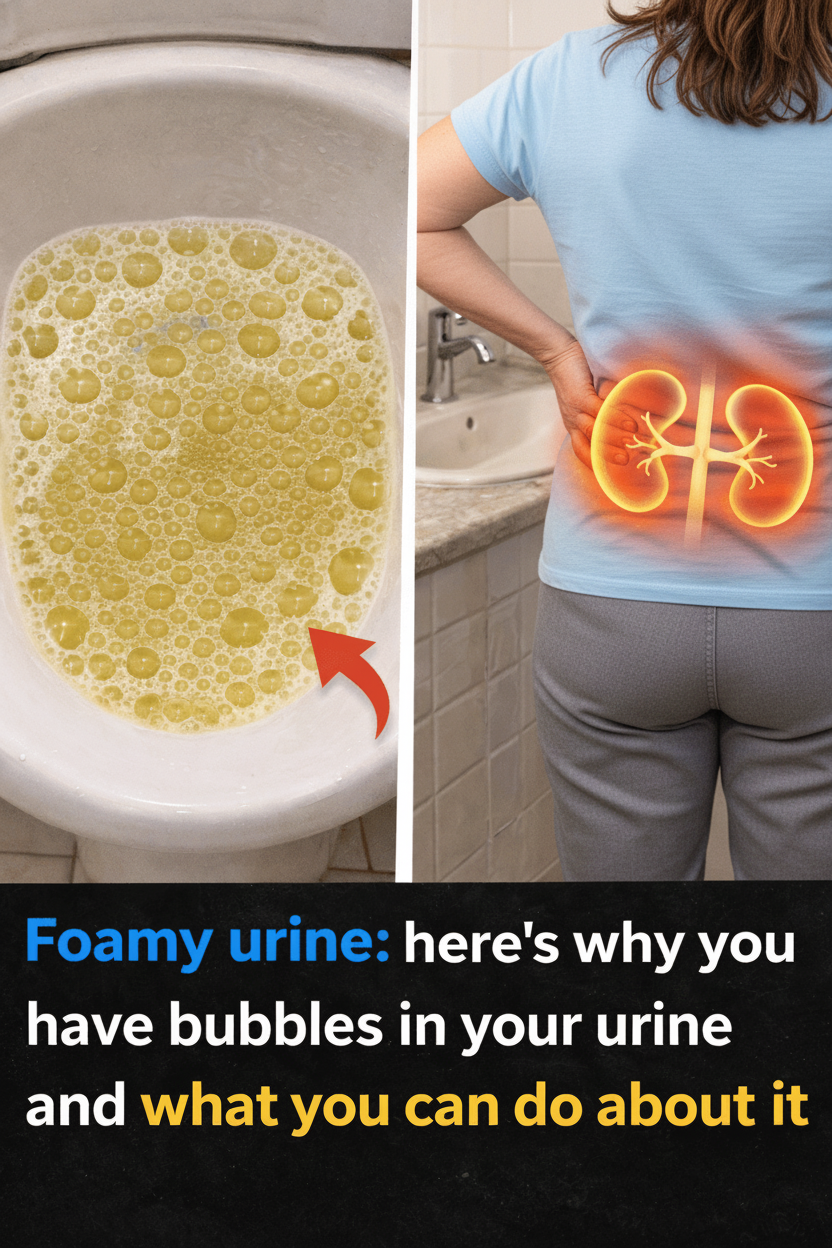
This impairment in kidney filtration can be associated with various underlying health conditions, such as:
- Diabetes
- High blood pressure (Hypertension)
- Certain autoimmune diseases
- Other factors compromising overall kidney health
Extensive research underscores the importance of monitoring persistent proteinuria, as early detection and management significantly contribute to improved long-term health outcomes. It’s crucial to remember, however, that foamy urine by itself is not a conclusive diagnostic sign; it typically manifests alongside other noticeable symptoms.
Signs to Watch For Alongside Foamy Urine
Should the presence of persistent bubbles continue, it becomes important to observe any other accompanying physical changes or symptoms. Medical literature frequently highlights several key indicators that, when coupled with ongoing foamy urine, warrant further investigation:
- Noticeable swelling (edema) in the extremities, such as the hands, feet, or legs, and sometimes in the face.
- Persistent fatigue or an unusual sense of tiredness that isn’t relieved by rest.
- Significant alterations in urination patterns, including increased frequency, decreased volume, or difficulty urinating.
- Unexplained fluctuations in body weight, which could be due to fluid retention.
If you experience any of these symptoms in conjunction with persistent foamy urine, it is highly advisable to consult a healthcare provider. They can perform simple diagnostic tests, such as a urinalysis, to assess your kidney function and overall health.
Simple Steps You Can Take Today
The encouraging news is that many instances of foamy urine respond positively to straightforward lifestyle modifications. Here’s a practical guide outlining steps you can take to observe changes and potentially improve your urine’s appearance:
Boost Your Water Intake
Aim to consume at least eight glasses of water daily. This amount may need to be increased if you are physically active or reside in a hot climate. Consciously track the appearance of your urine after several days of consistent, improved hydration; you’ll often observe a lighter color and a significant reduction in foam.
Monitor Your Urination Habits
Experiment with urinating more slowly or in smaller increments to determine if reducing the force of the stream minimizes foam production. Pay close attention to any patterns: Does foamy urine primarily occur when you are dehydrated, or after you’ve held your bladder for an extended period?
Review Your Diet and Activity
Certain dietary choices, particularly those very high in protein, or periods of intense physical exercise can temporarily increase the concentration of substances in your urine. Consider balancing your diet and ensuring adequate hydration around your workout routines to mitigate this effect.