 By admin
 Have you ever observed small, often yellowish-white, bumps or dots appearing along the borders of your lips and felt a pang of concern? If so, you’re certainly not alone. Many individuals, particularly during adolescence or early adulthood, discover these minute specks and instantly jump to conclusions about potential infections, sexually transmitted diseases, or other alarming conditions. The visibility of these spots, especially under harsh lighting or in close-up photographs, can understandably lead to self-consciousness about one’s appearance.
However, there’s a crucial, reassuring fact to understand: these are almost universally identified as Fordyce spots. Far from being a cause for alarm, they represent a completely normal and benign variation in human skin anatomy. Dermatological research indicates that Fordyce spots affect a significant portion of the adult population, estimated to be between 70-80%. Despite their high prevalence, many people remain unaware of just how common and utterly harmless these tiny dots truly are. Gaining a comprehensive understanding of Fordyce spots can alleviate unnecessary anxiety permanently. Continue reading to explore their nature, the reasons behind their appearance, and practical insights for lip care.
What Exactly Are Fordyce Spots (Fordyce Granules)?
Fordyce spots, sometimes referred to as Fordyce granules, are essentially visible sebaceous glands. These are the microscopic, oil-producing glands naturally found within your skin, but in the case of Fordyce spots, they appear closer to the surface without the typical hair follicle attachment. These are considered “ectopic” glands, meaning they are located in an unusual yet perfectly normal anatomical position.
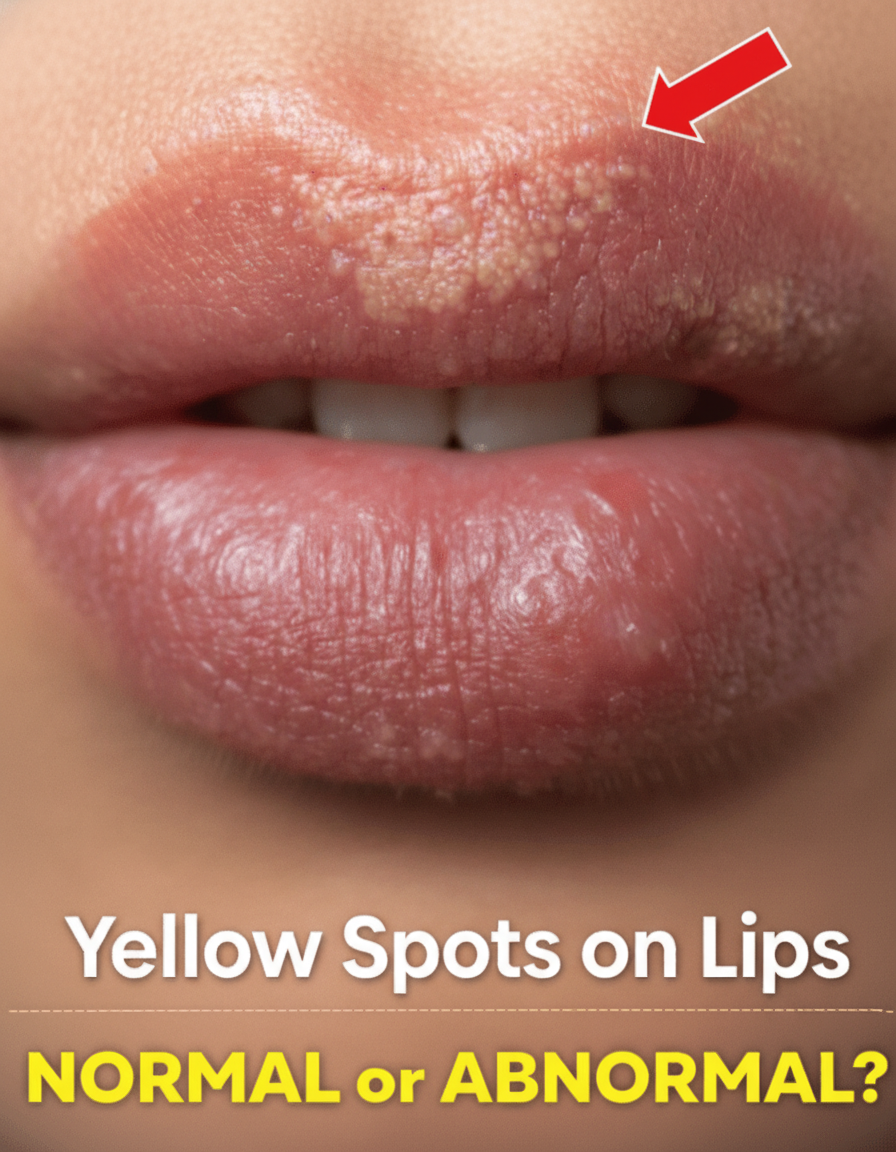
They typically manifest as small, discrete dots, varying in color from pale yellow or creamy-white to a shade matching your natural skin tone. Their prominence often increases during or after puberty, a period marked by significant hormonal fluctuations that heighten the activity of oil glands. Scientific studies suggest their occurrence can become more noticeable with age, frequently reaching a peak in young adults between 20 and 40 years old. Crucially, these spots are entirely benign and represent a normal physiological variation, akin to the presence of freckles or moles on the skin.
Where Do Fordyce Spots Typically Appear?
Fordyce spots exhibit a preference for moist, hairless regions of the body. The most common sites where these small glands are observed include:
- The vermilion border of the lips: This is the distinctive pink or red area where the lips transition into the surrounding facial skin.
- Inside the cheeks: Medically known as the buccal mucosa.
- Less frequently, on the inner surface of the lower lip or at the corners of the mouth.
It’s also important to note that Fordyce spots can manifest in genital areas, which is equally normal and harmless:
- In men: On the shaft or glans of the penis, and on the scrotum.
- In women: On the labia.
This broad distribution across various parts of the body underscores why many individuals encounter these spots without recognizing them as a standard, benign anatomical feature.
What Do Fordyce Spots Look Like?
The appearance of Fordyce spots is generally quite consistent, helping to distinguish them from other skin conditions. Key visual characteristics include:
- They present as small, discrete dots or slightly raised bumps, often appearing in clusters.
- Their size typically ranges from 1 to 3 millimeters in diameter.
- Colors can vary, commonly appearing as pale yellow, off-white, or a shade identical to your natural skin tone.
- The surface of these spots is smooth, lacking any signs of crusting, scaling, or open sores.
These spots frequently become more noticeable under specific circumstances, such as when the lips are stretched, when the skin feels particularly dry, or under direct, bright light (like a camera flash). If the spots you’ve observed align with this description and have remained stable in appearance for an extended period, it’s highly probable that they are indeed Fordyce spots.
Why Do Fordyce Spots Develop?
The underlying reason for the appearance of Fordyce spots is quite straightforward. These sebaceous glands develop during embryonic stages and, in certain instances, become located in areas of the skin that do not have hair follicles, such as the lips. As individuals undergo hormonal changes during adolescence and young adulthood, these glands can become more active, producing more oil (sebum), which in turn makes them more prominent and visible.
It is crucial to emphasize several key points about their etiology:
- Not linked to hygiene: Fordyce spots are in no way associated with poor personal hygiene.
- Not infectious: They are not caused by any type of infection, including bacterial or viral.
- Not sexually transmitted: Their presence is unrelated to sexual activity or sexually transmitted infections.
- Not contagious: Fordyce spots cannot be spread from person to person.
Extensive medical research consistently affirms that Fordyce spots are a natural, inherent anatomical characteristic, rather than a reaction to external influences like diet, lifestyle choices, or environmental factors.
Are Fordyce Spots Harmful or Dangerous?
To put it simply: no, Fordyce spots are absolutely not dangerous. They are classified as entirely benign (non-cancerous) and pose no threat to your health. Their presence does not elevate your risk of developing any disease, nor do they negatively impact your overall well-being. Furthermore, they are not capable of spreading to other individuals or to different areas of your own body.
Across the medical literature, Fordyce spots are consistently described as harmless anatomical variations, and in typical cases, they exhibit no progression towards more serious or harmful conditions.
Do Fordyce Spots Cause Any Symptoms?
For the vast majority of individuals, Fordyce spots are completely asymptomatic. This means they typically cause no pain, itching, burning sensation, or any form of discomfort whatsoever. While some people might occasionally perceive a mild dryness or a slightly uneven texture around their lips, this sensation is usually attributable to general lip dryness rather than being a direct symptom of the Fordyce spots themselves.
It is important to differentiate: if you experience significant pain, observe open sores, notice bleeding, or detect any sudden, marked changes in the appearance of your lip spots, it is highly unlikely that these are Fordyce spots. In such scenarios, it is strongly advised to consult a healthcare professional promptly for an accurate diagnosis and appropriate guidance.
Fordyce Spots vs. Other Lip Conditions: How to Differentiate
Given their appearance, Fordyce spots can sometimes be mistaken for other lip conditions, leading to undue anxiety. Understanding the key differences is essential for accurate self-identification. Here’s a clear comparison to help distinguish Fordyce spots from common look-alikes:
- Cold Sores (Herpes Simplex Virus – HSV-1):
- Cold Sores: Typically begin with a tingling or burning sensation, progress to fluid-filled blisters that eventually crust over, and are recurrent in nature, often triggered by stress or illness.
- Fordyce Spots: Appear as stable, consistent yellow or white dots; they never blister, crust, or cause tingling/burning.
- Lip Pimples/Acne:
- Pimples: Characterized by redness, swelling, tenderness, and often contain pus; they are temporary and resolve over time.
- Fordyce Spots: Are non-red, non-tender, lack pus, and are permanent, uniform dots embedded in the skin.
- Oral Thrush (Yeast Infection):
- Oral Thrush: Presents as white, creamy patches that can usually be wiped away, often accompanied by burning, soreness, and altered taste.
- Fordyce Spots: Are distinct dots embedded within the tissue and cannot be scraped off.
- Mucoceles (Salivary Cysts):
- Mucoceles: Usually appear as a single, soft, often translucent or bluish bump, typically on the inner lip, resulting from blocked salivary glands. They can fluctuate in size.
- Fordyce Spots: Are multiple, small, opaque dots that are stable in size and color, and are sebaceous glands, not salivary cysts.
If you are unsure about the nature of any spots on your lips or elsewhere, or if they exhibit any concerning symptoms, consulting a dermatologist or healthcare provider is always recommended for an accurate diagnosis.