 By admin
 Let’s be real: for most folks, ‘dialysis’ is just a word. You probably don’t give it a second thought. But for millions of patients globally, it’s not just a word; it’s the boss of their entire damn life. That’s why the concept of a portable dialysis machine isn’t just powerful – it’s a game-changer, an absolute lifesaver! And when a Canadian teenager dropped the bombshell that she could build one for a measly $500? Boom! It didn’t just impress a few science judges; it *exploded* onto the global stage, sparking crucial conversations and giving dialysis patients a glimmer of hope that their treatment might finally break free from its shackles.
Back in 2015, Anya Pogharian, a sharp student from Montreal, stared down an age-old medical nightmare and hit it with a simple, gut-punch question: ‘Seriously, why the hell does dialysis technology still have to be massive, wallet-busting, and stuck in some clinic?’ That burning question, fueled by pure curiosity and a relentless drive, transformed a humble school project into a global sensation that had everyone – and we mean *everyone* – paying attention.
The Brutal Truth: What Living with Kidney Failure Really Means
To grasp why Anya’s invention wasn’t just cool, but downright revolutionary, you gotta feel the raw struggle of dialysis patients. When your kidneys call it quits, your blood gets choked with toxic waste. Dialysis steps in like a reluctant hero, but man, does it come with a truckload of baggage! Most folks are chained to a clinic, hauled in three times a week. Each session? A soul-crushing four hours or more.
Think about it: work schedules? Shot to hell. Traveling? Forget about it, unless you love a logistical nightmare. Even simple family gatherings become a strategic operation, planned meticulously around dialysis treatment days. And if you’re stuck in a rural backwater or a struggling region? Forget reliable healthcare access – you might not even have *any* access. Period.
Some poor souls just miss their dialysis sessions because they’re backed into a corner with no other choice. And don’t think the big brains – the doctors and engineers – haven’t noticed this mess. They’ve been throwing ideas around for years: smaller systems, home dialysis units, even wearable tech. But every damn time, the same old villains show up: astronomical cost and mind-bending technical complexity, blocking every path forward.
Seriously, dialysis schedules aren’t just a part of life for patients; they *are* life. Every week, every plan, every family moment revolves around those dreaded treatment hours. Image credit: Shutterstock
The Origin Story: How a Teenage Firecracker Sparked a Revolution
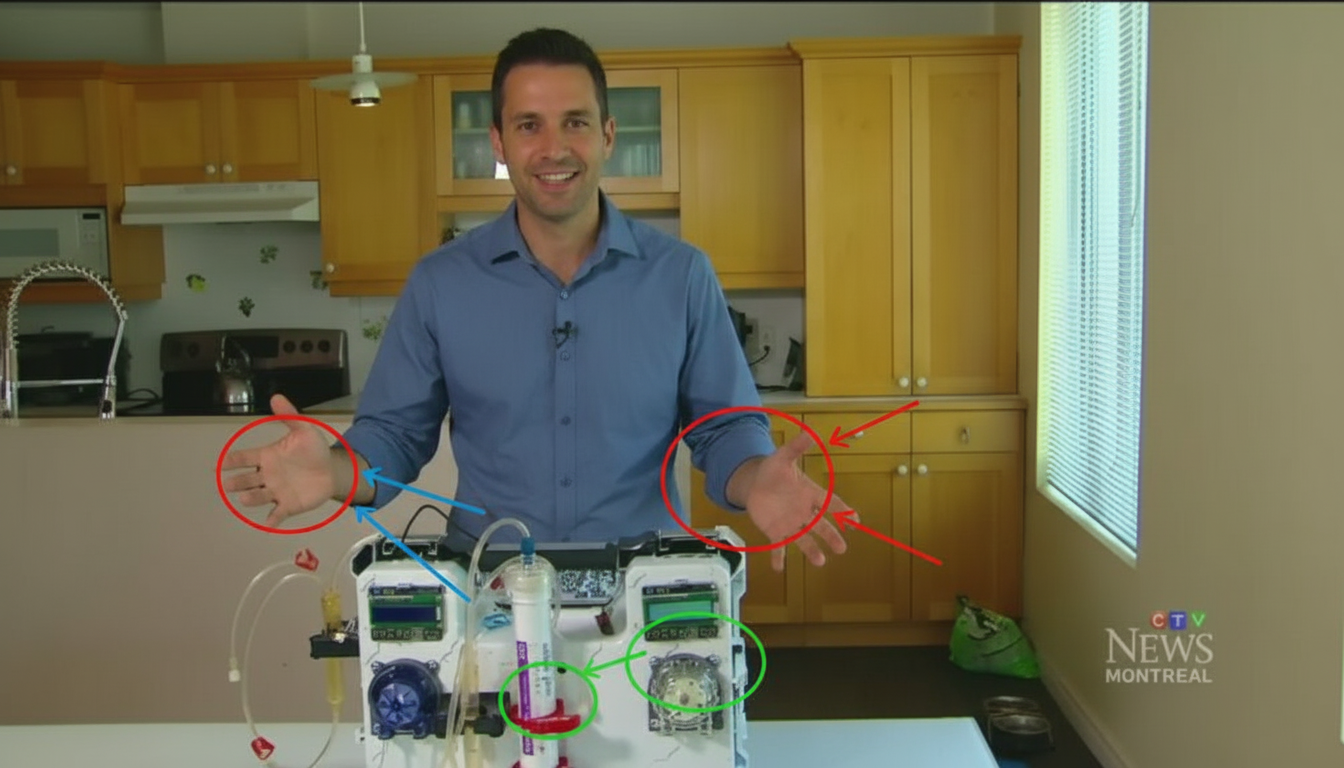
Anya Pogharian didn’t kick off her journey with a fancy lab coat or some high-falutin’ medical degree. Nope. Her brilliant spark ignited from pure grit: reading, digging, researching, and spotting glaring patterns that everyone else just seemed to shrug and accept.
As she dove deep into kidney disease and the current crop of dialysis machines, something clicked. Something *weird*. Most systems were built on the same basic science, right? So why the hell were hardly any of them focusing on being both affordable dialysis *and* portable dialysis at the same time? It was a head-scratcher.
That glaring inconsistency hammered home her mission. She wanted this device compact. She wanted it simple. And here’s the kicker, the absolute mic drop: she wanted it cheap enough to actually *matter* to real people, not just hospital budgets.
Her audacious goal? Strip down dialysis technology to its bare-bones essentials, no frills, but absolutely *zero* compromise on patient safety. The mind-blowing outcome? A conceptual design for a portable dialysis machine that could be cranked out for a jaw-dropping $500. Five hundred bucks! That figure alone made jaws hit the floor, especially in a medical world where these machines typically set you back tens of thousands, if not more.
The $500 Question: Why Affordability Isn’t Just a Number, It’s a Revolution
The true cost of dialysis treatment? It’s a hidden monster most people never