 By admin
 Alright, listen up! We’re talking about ginger – that zesty root from the Zingiber officinale plant that’s been spicing up dishes and traditional remedies for ages. Now, for most healthy adults, a moderate amount – we’re talking around 4 grams a day from your food or tea – is generally cool, no sweat. Even big-shot sources like Johns Hopkins Medicine and WebMD back this up. It’s your everyday wellness wingman, great for calming that post-meal tummy rumble. But here’s the kicker: start chugging down concentrated supplements or going wild with super high doses, and you might just invite some mild trouble like heartburn or an upset stomach. And this is crucial, folks: ginger ain’t just a flavor enhancer; its natural mojo can seriously interact with certain body processes. That’s why you gotta be smart and know when to hit the brakes.
1. Bleeding Disorders or Use of Blood-Thinning Medications
Alright, this one’s a biggie, so pay attention! We’re talking about ginger’s sneaky potential to mess with your blood clotting. Yeah, some studies out there hint that ginger compounds can act like a mild blood thinner, playing games with your platelets. Now, if you’re already dealing with a bleeding disorder – think hemophilia – or you’re popping blood-thinning meds like warfarin, aspirin, or other anticoagulants, this ain’t no joke. This could seriously crank up your risk of bruising or bleeding. Even trusted sources like WebMD and Memorial Sloan Kettering Cancer Center are flagging this: small amounts in food? Usually fine. But higher doses or supplements? That’s when you need to hit the pause button and be extra careful. Seriously, if you’re on these meds or have any history of clotting issues, don’t even think about adding more ginger to your diet without having a frank chat with your doctor. Your health isn’t worth the gamble, people!
2. Gallbladder Issues or Gallstones
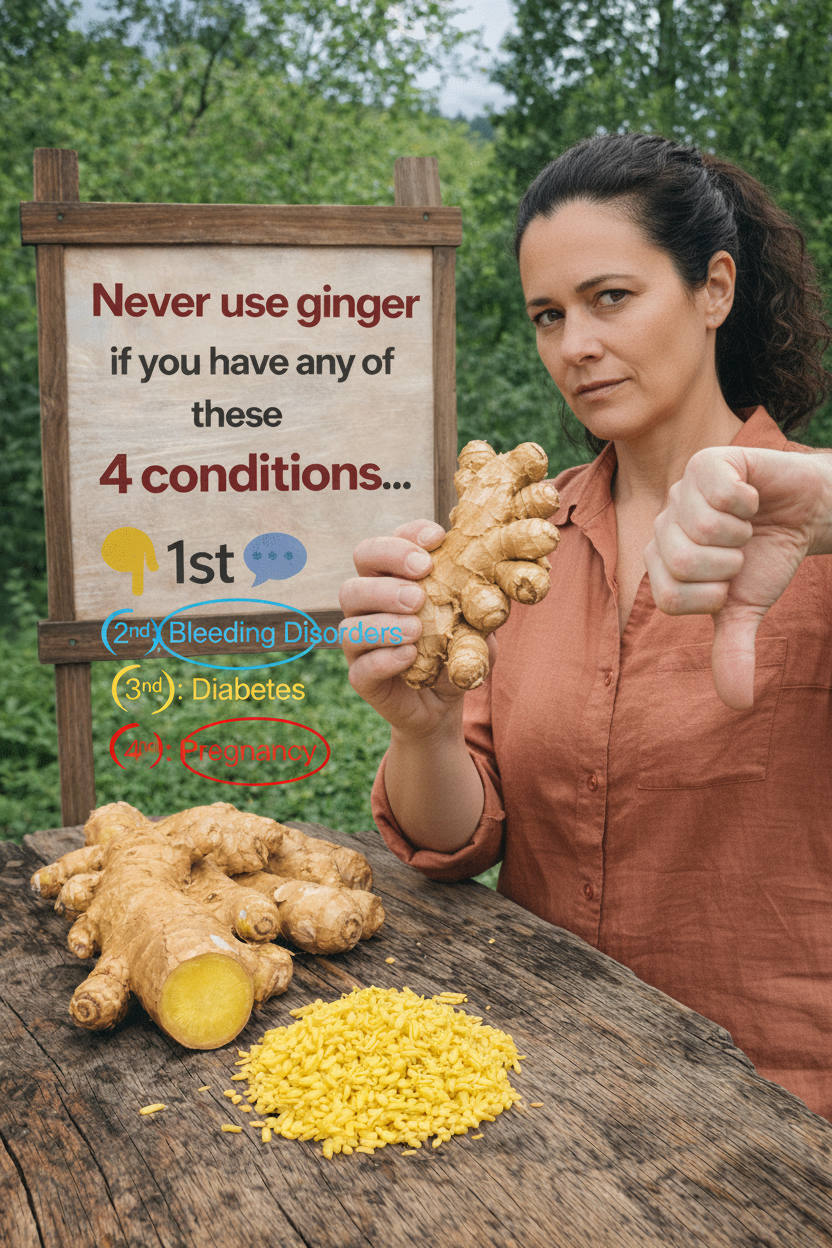
Next up: your gallbladder. Now, ginger is known for firing up bile production and flow, which is awesome for digestion for a lot of folks. But hold up! If you’ve got gallbladder issues, this “awesome” action can turn into a real pain in the gut. We’re talking gallstones, inflammation in your gallbladder, or bile ducts – the whole shebang. Experts from Verywell Health and other sources warn that increased bile activity could seriously worsen your symptoms, bringing on pain and discomfort you definitely don’t need. Look, for tiny amounts in food, the jury’s still out, but most smart advice screams: steer clear of concentrated ginger forms if you’ve got these conditions! Don’t play hero; switch to gentler digestive helpers or, better yet, hit up your doctor to dodge any unnecessary irritation. Seriously, your insides will thank you.
3. Diabetes (Especially When Managing Blood Sugar with Medication)
Alright, diabetics and anyone managing their blood sugar, this one’s for you. Ginger’s been poked and prodded for its potential to mess with glucose levels – some studies even whisper it might