 By admin
 Groundbreaking Research at KAIST: Reprogramming Cancer Cells for a Healthier Future
Cancer casts a long shadow over millions globally, bringing with it profound fear and uncertainty for patients and their families. Traditional treatment modalities, while often life-saving, can be grueling, with challenging side effects that significantly diminish daily well-being and quality of life. But what if our approach to cellular dysfunction could fundamentally shift? Recent investigative work by scientists in South Korea offers a compelling new perspective on how aberrant cells behave. Continue reading to discover a pivotal protein that could revolutionize our understanding of cellular transformation.
Deciphering Cellular Mechanics in Health and Disease
Our bodies are intricate systems composed of countless cells, each performing specialized roles to maintain equilibrium. Occasionally, these cellular processes encounter errors, leading to uncontrolled growth patterns. Researchers at the Korea Advanced Institute of Science and Technology (KAIST) in South Korea have been meticulously examining these cellular anomalies. Crucially, their work posits that these “glitches” might not be irreversible defects, but rather conditions that are potentially correctable.
As detailed in various scientific publications, cells can deviate from their original functional blueprints due to a myriad of influences, including environmental stressors or genetic alterations. Herein lies the fascinating breakthrough: the KAIST team has identified specific proteins instrumental in preserving or modifying these cellular instructions. This innovative perspective pivots treatment strategy from aggressive eradication to precise restoration, potentially paving the way for more compassionate therapeutic interventions.
Unveiling the Scientific Breakthrough
Consider a complex biological system where certain cells begin to multiply ceaselessly, much like a computer program stuck in an infinite loop. The scientists at KAIST pinpointed a particular protein, SETDB1, that acts as a critical regulatory switch in this scenario. Through controlled experiments with skin cells in laboratory environments, they observed that deactivating this specific switch helped the cells regain their normal, healthy functions.
Further investigations from esteemed institutions like KAIST, reported in prestigious outlets such as Nature journals, confirm that SETDB1 significantly impacts gene expression—the fundamental process dictating cell behavior. This mechanism involves epigenetic modifications, which alter how genes are read and expressed without changing the underlying DNA sequence. The profound implication is that instead of destroying diseased cells, this method encourages them to revert to a balanced, non-cancerous state. Preliminary lab results indicate a significant advantage: minimal harm to surrounding healthy tissues. While still in its nascent stages, this research powerfully underscores the transformative potential of cellular reprogramming as a therapeutic concept.
Transforming Cancer Treatment: The Impact of KAIST’s Research
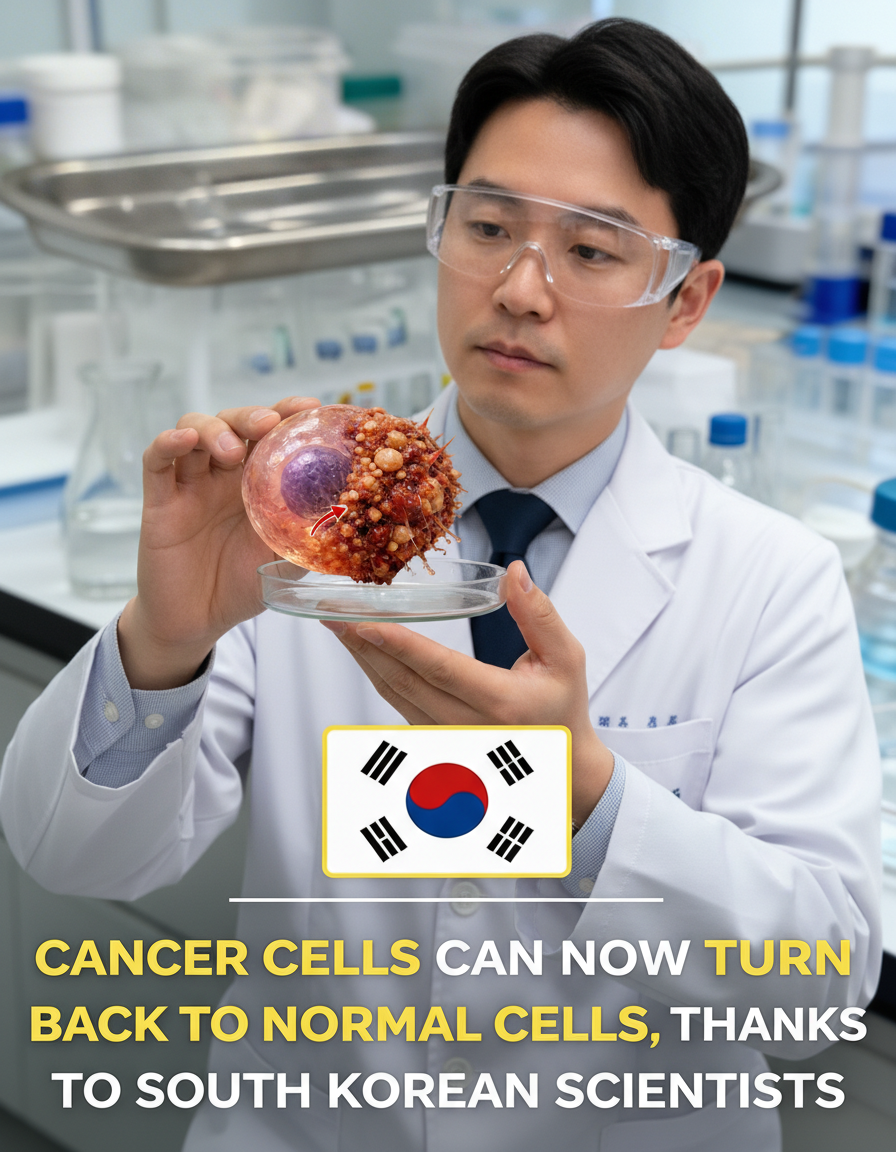
Conventional cancer therapies often involve aggressive targeting of problematic cells, which can have widespread adverse effects on the entire body. In stark contrast, the cellular reprogramming paradigm views the issue as a reversible error in cellular instruction. Studies suggest that such approaches could be applicable across diverse cell types, although extensive further investigation is essential. For example, similar principles have been explored within stem cell research, guiding cells to differentiate into specific roles.
Moreover, this discovery aligns perfectly with a growing global trend in medical science towards personalized, less invasive treatment options. It fosters a mindset that views health challenges not merely as something to eliminate, but as opportunities for profound cellular restoration.
- Reduced Systemic Disruption: This approach promises less overall impact on bodily functions, potentially leading to significantly improved patient recovery experiences.
- Novel Therapeutic Framework: It redefines cellular pathologies as correctable dysfunctions, inspiring entirely new avenues for scientific inquiry and treatment development.
- Broadened Application Potential: The underlying principles could influence research into a wide array of health conditions, extending far beyond the initial focus on cancer.
A New Paradigm: Reprogramming vs. Conventional Cancer Therapies
To illuminate the distinct differences, let’s examine a direct comparison:
| Aspect | Traditional Therapeutic Approach | Cellular Reprogramming Concept |
|---|---|---|
| Cell Handling | Aggressive targeting and eradication of diseased cells. | Guides and restores dysfunctional cells to health. |
| Body Impact | Significant systemic side effects and collateral damage to healthy tissues. | Aims for localized, minimal adverse effects on the body. |
| Philosophical View | Considers cellular malfunction as permanent, irreversible damage. | Approaches cellular issues as reversible dysregulation or correctable glitches. |
| Research Stage | Long-standing clinical application and well-established in practice. | Emerging laboratory investigation and early-phase scientific exploration. |
This comparative overview, drawn from general scientific literature, vividly illustrates the conceptual shift underway in modern medicine.
Actionable Steps to Support Your Overall Well-Being
While groundbreaking scientific discoveries like KAIST’s research are incredibly promising, you can actively foster healthy cellular function through conscious lifestyle choices right now. Here’s a foundational step based on established health guidelines:
- Incorporate Antioxidant-Ric