 By admin
 In our fast-paced world, many individuals frequently encounter minor ailments such as tension headaches, muscular stiffness, digestive upset, or the impact of daily stress on metabolic balance. A growing number are seeking alternatives to conventional over-the-counter solutions, often out of concern for potential side effects or prolonged dependency. This shift has fueled a resurgence of interest in plant-derived remedies, rooted in centuries-old traditions. These natural strategies provide gentle yet effective avenues for fostering comfort and overall health, increasingly validated by contemporary scientific inquiry. Intriguingly, certain common herbs and spices have demonstrated remarkable supportive properties in research, occasionally exhibiting effects comparable to established pharmaceutical treatments in specific contexts. This article delves into six remarkable plants widely recognized for addressing common wellness concerns, offering practical guidance for their safe and effective integration into your routine.
Why People Turn to Herbal Supports
For millennia, botanical ingredients have formed the bedrock of traditional healing systems, applied to alleviate minor discomforts, harmonize digestive function, and promote overall vitality. Contemporary scientific investigations are now intensely focused on unraveling the therapeutic potential of their bioactive constituents, such as potent essential oils, diverse polyphenols, and unique sulfur-based compounds. This ongoing research frequently underscores their anti-inflammatory, calming, or fortifying attributes, always emphasizing their role as complementary supports rather than direct substitutes for prescribed medical interventions. The widespread appeal of these plant-based methods stems from their accessibility, often found within common kitchen pantries, and their inherent focus on holistic well-being.
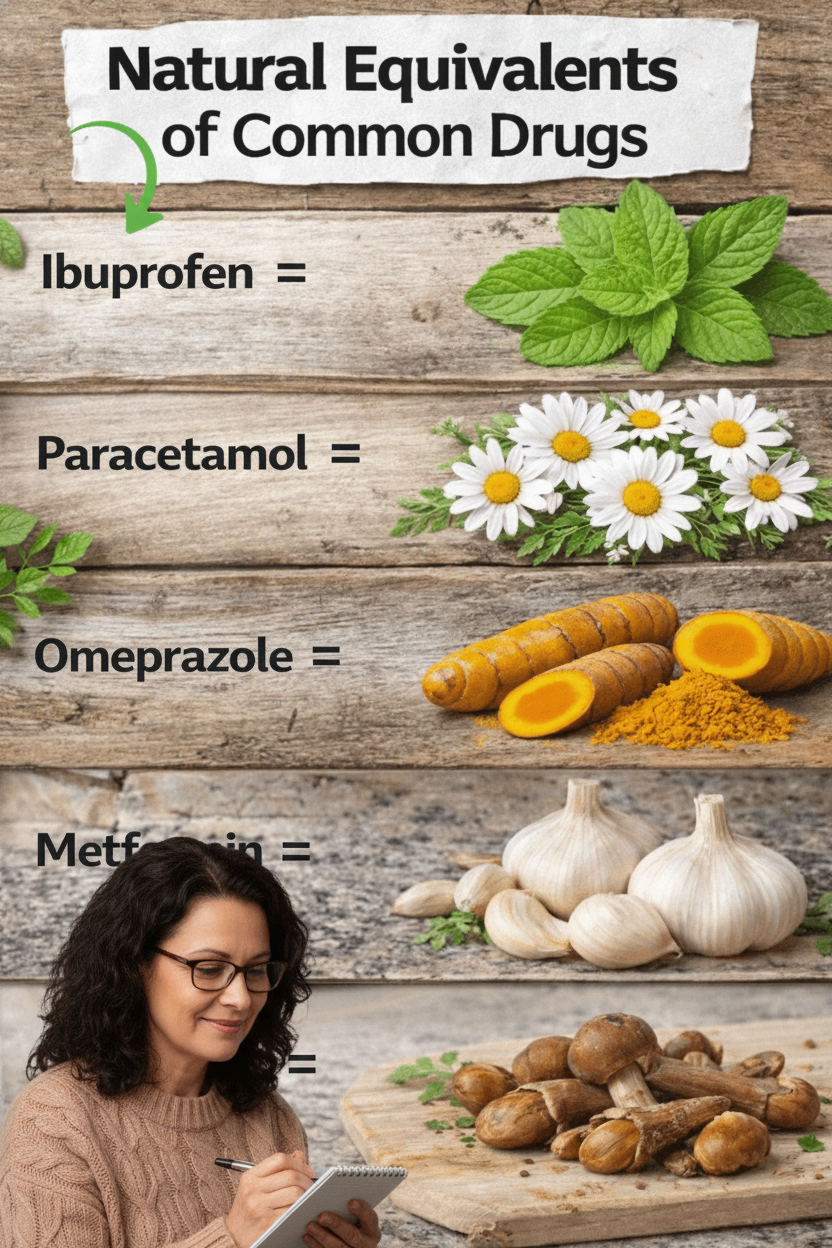
1. Peppermint for Occasional Discomfort (Offering Relief Akin to Certain OTC Pain Relievers)
Peppermint (Mentha piperita) is renowned for its distinctive cooling sensation, primarily attributed to its menthol content. Scientific investigations indicate that applying or inhaling peppermint oil can effectively mitigate tension headaches and alleviate minor muscular aches, owing to its inherent soothing and anti-inflammatory characteristics. Certain analyses even suggest its efficacy in specific headache scenarios can be comparable to over-the-counter pain relievers like acetaminophen. Beyond pain relief, traditional practices frequently utilize peppermint teas to soothe digestive discomfort.
Practical Tip: Prepare a refreshing tea by steeping 1-2 teaspoons of fresh peppermint leaves in hot water for 5-10 minutes. Alternatively, for localized relief from occasional head tension, dilute 1-2 drops of peppermint essential oil in a suitable carrier oil and gently massage into the temples. Always begin with a small amount to assess skin sensitivity. But the world of calming botanicals doesn’t end there; next, we turn our attention to a flower celebrated for its tranquilizing qualities.
2. Chamomile for Gentle Soothing (Demonstrating Effects Similar to Paracetamol)
Chamomile (Matricaria recutita) tea has long been cherished as a popular evening beverage, valued for its ability to induce relaxation. Extensive research, including comprehensive meta-analyses of clinical trials, highlights its potential to alleviate mild pain and foster a sense of tranquility, largely due to the presence of anti-inflammatory flavonoids. Historically, it has also been employed to soothe digestive disturbances and minor aches.
Practical Tip: To prepare, infuse 1-2 teaspoons of dried chamomile flowers in hot water for approximately 5 minutes. Enjoy 1-2 cups daily to encourage general relaxation. This herb is known for its gentle nature and is typically well-tolerated. Our journey continues with a vibrant golden spice that has recently captured significant scientific interest.
3. Turmeric for Digestive Comfort (Researched for Efficacy Comparable to Omeprazole)
Turmeric (Curcuma longa), recognized for its potent active compound curcumin, plays a significant role in supporting gastrointestinal health. A notable randomized clinical trial revealed that curcumin supplementation was as effective as omeprazole in relieving symptoms of indigestion in individuals with functional dyspepsia, a benefit attributed to its profound anti-inflammatory and protective actions on the stomach lining.
Practical Tip: Incorporate 1 teaspoon of turmeric powder into your meals, ideally paired with a pinch of black pepper to significantly enhance curcumin absorption. Another delightful option is to prepare ‘golden milk’: combine warm dairy or plant-based milk with ½ teaspoon of turmeric, a dash of black pepper, and a touch of honey. Consistent use is key to unlocking its potential advantages.
Here’s a quick summary of straightforward methods to enjoy these beneficial plants:
- Peppermint — For rapid soothing, opt for tea or diluted essential oil.
- Chamomile — A perfect evening tea for promoting calmness.
- Turmeric — Easily integrated into daily food or beverages for ongoing support.
Moving on, let’s explore a distinctive pungent bulb celebrated for its metabolic advantages.
4. Garlic for Blood Sugar Balance (Investigated for its Ability to Complement Metformin)
Garlic (Allium sativum), a culinary staple, is rich in bioactive compounds such as allicin and various sulfur-containing constituents. Extensive research indicates that garlic supplementation, when used in conjunction with conventional treatments like metformin, may contribute to reducing both fasting and post-meal blood sugar levels in individuals managing type 2 diabetes. Its robust antioxidant properties further bolster overall metabolic well-being.
Practical Tip: Mince 1-2 fresh garlic cloves daily and allow them to sit for about 10 minutes before incorporating into your meals; this process activates beneficial compounds, though cooking can slightly diminish their potency. Alternatively, consider aged garlic extract supplements, adhering strictly to the dosage instructions provided on the product label.
5. Aloe Vera for Topical and Internal Support (Exhibiting Antimicrobial Properties)
Aloe vera gel is widely recognized for its exceptional skin-soothing capabilities, yet laboratory studies also reveal its notable antimicrobial efficacy against a spectrum of bacteria. Specifically, ethanol extracts derived from aloe vera have exhibited promising potential in combating skin-related pathogens, occasionally serving as a valuable complement to antibiotic therapies. Internally, this versatile plant has a long history of traditional use for promoting digestive health.
Practical Tip: For addressing minor skin irritations, apply pure aloe vera gel directly to the affected area.