 By admin
 Harnessing Nature’s Touch: Traditional Plant-Based Approaches to Skin Wellness and What Folk Wisdom Suggests About a Familiar Herb
Skin concerns, such as the unwelcome appearance of warts, can be a source of significant frustration and self-consciousness. These persistent growths often lead individuals to explore various remedies, from conventional over-the-counter options that may offer slow progress or irritation, to more gentle, natural alternatives rooted in traditional practices. While established medical treatments remain paramount for reliable outcomes, a growing number of people are turning their attention towards plant-based solutions for everyday supportive care.
This article delves into the fascinating world of folk traditions, particularly in parts of Asia, to explore a specific plant that has garnered curiosity for its potential role in skin care routines. Join us as we uncover insights into this botanical, along with crucial practical considerations and the unwavering importance of consulting a healthcare professional.
Understanding Warts and the Quest for Gentle Solutions
Warts are small, rough epidermal growths caused by specific strains of the human papillomavirus (HPV). They can manifest on various parts of the body, including hands and feet, and sometimes exhibit a tendency to spread or recur if not adequately addressed. Common conventional approaches include topical salicylic acid preparations or cryotherapy (freezing methods). However, not everyone finds these treatments comfortable; some individuals report stinging sensations, redness, or simply prefer to begin with milder, less invasive options.
Evidence suggests that a considerable number of people explore natural plant-based solutions for supportive skin care due to their accessibility and often perceived gentler nature. Traditional knowledge, particularly in regions such as India, Vietnam, and other Asian territories, frequently highlights various herbs for promoting general skin wellness. It is important to acknowledge, however, that the scientific validation for these traditional uses can vary widely.
Spotlight on a Familiar Botanical: False Daisy (Eclipta prostrata)
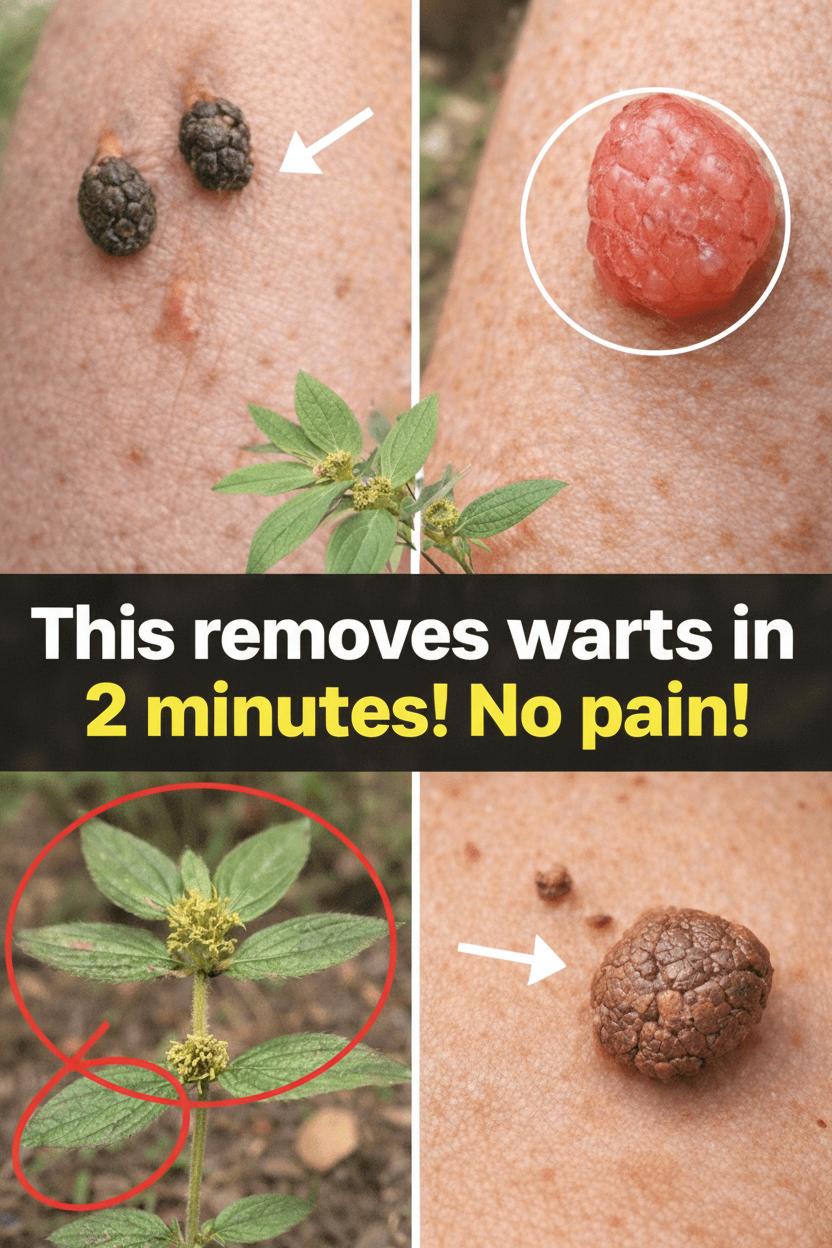
Known by several names, including bhringraj, false daisy, or karisalankanni in different languages, this low-growing herbaceous plant features small white flowers and belongs to the Asteraceae family. It flourishes in moist environments, such as fields and riverbanks, and is widely regarded as a common weed across many tropical and subtropical regions.
Throughout traditional practices in Asia, various parts of the Eclipta prostrata plant—including fresh leaves, juice, or dried forms—have been utilized for their perceived benefits in supporting skin health and broader wellness needs. Folk accounts often describe the topical application of preparations made from its leaves as part of routines aimed at minor skin concerns, including various bumpy growths like warts.
The plant’s biochemical composition includes compounds such as flavonoids, coumestans, and triterpenoids. Laboratory studies suggest these constituents may offer general anti-inflammatory or antimicrobial support. Nevertheless, it is crucial to emphasize that while traditional use is well-documented, high-quality clinical evidence specifically linking Eclipta prostrata to direct support for wart resolution remains limited. Most available reports stem from ethnobotanical observations rather than extensive human clinical trials.
Traditional Applications and Key Considerations
In folk traditions, particularly within parts of India and Southeast Asia, individuals have historically prepared simple applications from the False Daisy plant:
- Fresh leaves are typically crushed or juiced to extract their botanical essence.
- The resulting extract is then applied directly to the area of concern.
- It is often lightly covered or simply left to absorb naturally into the skin.
- Some traditions also involve drying the leaves for storage or to create pastes.
The underlying belief is that consistent, gentle application might support the skin’s natural healing processes over time. However, it is vital to understand that these are largely anecdotal approaches, passed down through generations. There is no strong scientific consensus confirming rapid or guaranteed outcomes, and individual results can vary significantly based on factors such as wart type, skin sensitivity, and other personal characteristics.
The appeal of these traditional ideas often stems from several factors:
- The plant is readily available and accessible in many geographical regions.
- Preparations are perceived as straightforward and cost-effective.
- It aligns with a growing preference for plant-based wellness solutions.
Potential considerations for anyone exploring such traditional methods include:
- Always perform a patch test on a small, inconspicuous area of skin first to check for any signs of irritation or allergic reaction.
- Avoid applying preparations to open wounds, broken, or irritated skin.
- Discontinue use immediately if any redness, itching, burning, or discomfort occurs.
Comparing Plant-Based Ideas to Established Options
Many individuals prioritize evidence-based choices before considering alternative or supplementary approaches. Here’s a brief comparison of common methods discussed for wart management:
- Salicylic Acid (Over-the-Counter): This widely recommended dermatological treatment works by gradually softening and peeling away layers of the wart. While effective, it typically requires weeks of consistent application.
- Duct Tape Occlusion: This simple, low-risk method involves covering the wart with duct tape, theoretically depriving it of oxygen or irritating it to stimulate an immune response. Some studies have shown modest support for its efficacy.
- Freezing (Cryotherapy): Often performed by a healthcare professional, cryotherapy involves freezing the wart with liquid nitrogen. It can be quicker for some but may cause discomfort or blistering.
- Plant Extracts (like False Daisy): These represent traditional approaches for supportive care. While they hold a historical place in folk medicine and appeal to those seeking natural routines, they generally lack the extensive clinical data and rigorous scientific validation of conventional medical treatments.
Ultimately, no single method is universally effective for everyone. The most appropriate approach often involves a combination of strategies tailored to individual needs, and professional medical advice should always be the first step in addressing persistent skin concerns.