 By admin
 Yo, if you’re popping pills to keep your blood pressure in check, then recent headlines about a massive drug recall probably hit you right in the gut. We’re talking over half a million bottles of a common prescription drug yanked off shelves! Why? Tests revealed some nasty, unexpected impurities that could cause long-term headaches. This ain’t just some background noise; this hits different when your daily health depends on these meds staying safe and effective. The good news? Health authorities aren’t leaving you hanging; they’ve got clear guidance, and some simple steps can help you move forward with confidence. But hold tight, ’cause later in this article, we’re dropping a killer checklist that most folks miss, and trust me, it could save your peace of mind and maybe even your health.
What Happened in This Blood Pressure Drug Recall
Back in October 2025, Teva Pharmaceuticals and their crew, Amerisource Health Services, voluntarily pulled more than 580,000 bottles of prazosin hydrochloride capsules. Yeah, you heard that right, half a million! This blood pressure medication, available in 1 mg, 2 mg, and 5 mg strengths, was spread out nationwide through pharmacies and wholesalers. The FDA slapped this recall with a Class II, which basically means ‘don’t panic, but don’t sleep on it either.’ The risk of serious harm is considered low, but it still needs your attention, pronto, if you’re using the product. This particular recall is all about contamination with N-nitroso prazosin impurity C – sounds fancy, but just know it’s a type of nitrosamine compound. Nitrosamines can pop up during certain manufacturing processes, and regulators watch ’em like a hawk because prolonged exposure at high levels has been linked to potential health effects in studies. Here’s the key point, folks: this sneaky stuff was caught through routine testing, and the company didn’t mess around – they yanked the affected lots from the market faster than you can say ‘blood pressure spike!’
Why Nitrosamine Impurities Matter for Blood Pressure Medications
Look, nitrosamines ain’t new to the pharma scene. They’ve been popping up like bad weeds in several blood pressure drugs over the past few years, keeping the FDA on their toes with ongoing oversight. Research straight from the regulatory labs shows these impurities can develop when certain chemicals interact during production or even just sitting on a shelf. The FDA sets super strict daily intake limits, all based on extensive safety data, to keep any potential risk as low as humanly possible. But here is the part that’ll probably blow your mind: not every bottle or every brand is tainted. Nah, only specific lots from this Teva production run tested above the acceptable threshold. That distinction is important because it means most people taking similar blood pressure medications from other manufacturers can keep their routine without a hitch. Still, if your prescription matches the recalled details, a quick check now can save you a whole lot of headache and ‘what ifs’ down the road. Trust us on this one.
How to Check If Your Prazosin Capsules Are Part of the Recall
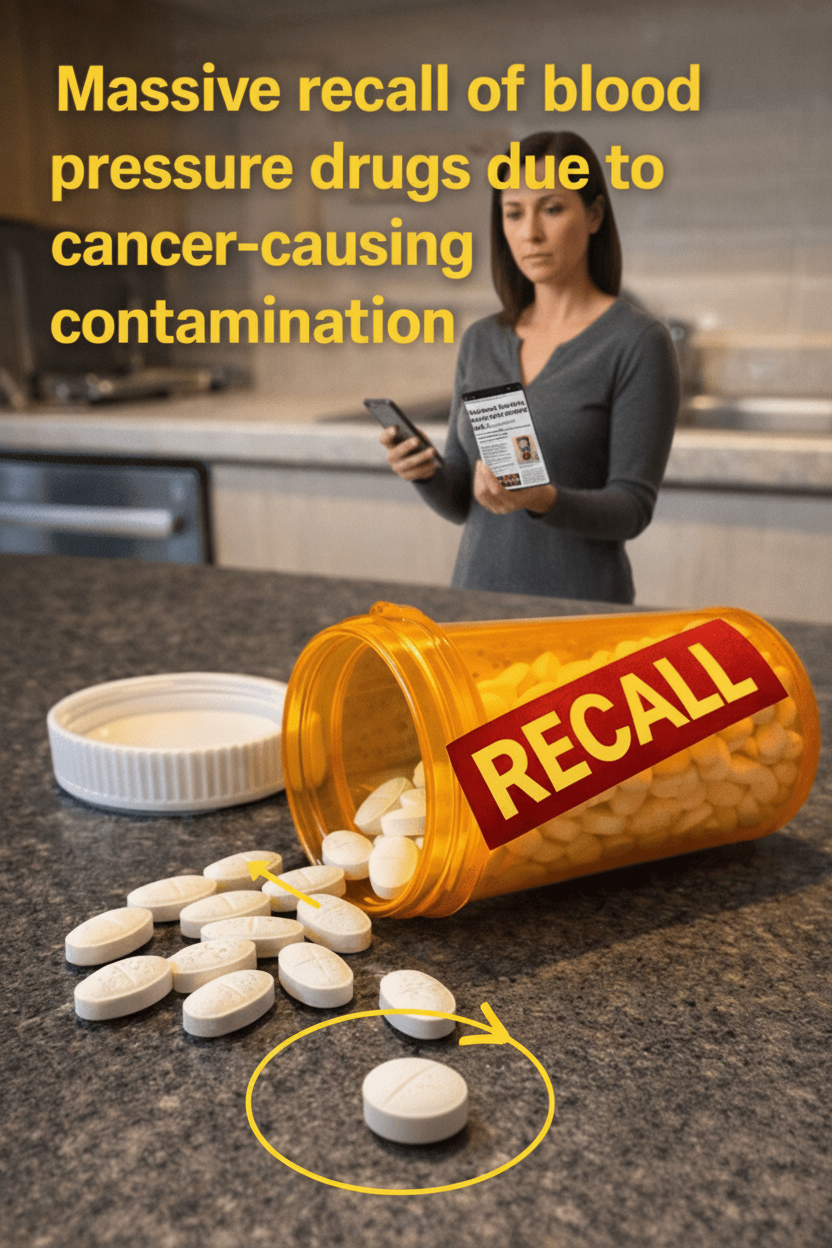
Got that little bottle chilling in your medicine cabinet? Wondering if it’s part of this whole drama? Chill, we’ve got you. Here’s how to play detective in less than five minutes – seriously.
- First off, grab that bottle. Peep the label for the drug name: prazosin hydrochloride capsules. That’s your target.
- Next, check the National Drug Code (NDC) number printed on the packaging. Compare it against the FDA’s published list of recalled products – it’s like a secret code, but for safety!
- Then, look at the lot number and expiration date – these details are crucial for matching the affected batches in the official recall notices.
- Finally, compare the strength (1 mg, 2 mg, or 5 mg) and make sure the manufacturer name is Teva.
If any of that information matches, stop right there. Don’t pop another pill. Hit up your pharmacy or doctor ASAP – like, yesterday. Many pharmacies keep updated recall lists and can confirm in seconds whether your specific bottle of prazosin is safe. Taking this quick inventory isn’t just smart; it puts you in control and kicks guesswork to the curb. No more ‘maybe it’s fine’ vibes!
Immediate Steps to Take If You Have Recalled Medication
Finding out your blood pressure pills are on the ‘naughty’ list? Yeah, that can feel like a punch to the gut. But before you spiral, remember: the FDA says the probability of serious issues remains super remote. Still, better safe than sorry, right? Here’s the playbook, straight from the health pros, on exactly what to do next.
- First and foremost: DO NOT just ditch your blood pressure medication cold turkey without guidance. That’s a rookie mistake and potentially dangerous. Consult your doctor or pharmacist first so they can recommend a safe alternative or replacement from an unaffected batch.
- Get those recalled bottles back to your pharmacy for proper disposal and credit. Most stores handle this process smoothly and can hook you up with a new supply quickly.
- Hang onto that original bottle and label until you’ve chatted with your healthcare provider – they may need the lot number for their records. Boring, but important.
- Keep an eye on how you’re feeling. Any weird changes? Jot ’em down. Though, honestly, the recall information indicates no immediate symptoms are expected from short-term use of the affected product.
- And finally, update your medication list on your phone or in a trusty notebook so yo
Keep your health game strong and stay tuned for more no-nonsense health tips and vital updates on dogpjs.com. Your well-being is our top priority, and we’re always here to serve you the freshest, most crucial info. Until next time, stay sharp, stay informed, and keep crushing it!