 By admin
 Is Vitamin D Deficiency the Secret Cause of Your Leg and Bone Pain?
Many individuals attribute persistent leg pain, stiff joints, or aching bones to the natural progression of aging or strenuous physical activity. While these factors can certainly contribute, ongoing discomfort in your lower limbs and skeletal structure might actually be a red flag for an underlying issue: a critical nutrient deficiency. Amongst the most prevalent culprits is a lack of vitamin D, a vital nutrient indispensable for robust bone health, optimal muscle performance, and overall physical agility. If you frequently experience morning leg soreness, struggle with unexplained bone tenderness, or notice uncharacteristic muscle weakness, your body may be signaling a deficiency in this crucial vitamin.
This comprehensive guide will delve into the intricate relationship between vitamin D deficiency and musculoskeletal pain, help you identify the tell-tale symptoms, and outline effective strategies to naturally restore healthy vitamin D levels.
The Indispensable Role of Vitamin D in Bone and Muscle Health
Vitamin D is pivotal for sustaining the integrity and strength of our bones and muscles. Its primary mechanism involves facilitating the body’s absorption of calcium and phosphorus—two fundamental minerals critical for developing and maintaining optimal bone density and structural resilience. Insufficient vitamin D impedes the body’s ability to preserve healthy bone tissue. When circulating vitamin D levels fall significantly, bones can progressively weaken and soften, a condition medically termed osteomalacia in adults. This often manifests as chronic bone discomfort, noticeable muscle weakness, and an elevated susceptibility to fractures.
Furthermore, inadequate vitamin D can severely impair normal muscle function. Muscles may feel considerably weaker or become more susceptible to spasms and cramps. This explains why individuals with a vitamin D deficiency frequently report persistent leg aches, particularly after physical exertion or during nighttime hours. Given its profound influence on both bone metabolism and muscular efficiency, even a moderate vitamin D deficit can precipitate widespread chronic aches or perplexing discomfort throughout the lower body.
Recognizing the Warning Signs: Is Your Body Low in Vitamin D?
A vitamin D deficiency frequently progresses insidiously, meaning its initial symptoms can be subtle and easily overlooked. It’s not uncommon for individuals to live with suboptimal levels for extended periods before recognizing the underlying issue. Keep an eye out for these prevalent indicators that your body might be signaling a lack of this vital nutrient:
- Lingering Leg Aches: You might experience a persistent, dull, or throbbing pain in your thighs, knees, or calves. This discomfort often arises as bones begin to lose their critical mineral density. Some individuals also report tenderness specifically along the shins or other lower leg bones.
- Generalized Bone or Joint Discomfort: Aches in areas like the hips, lower back, or pelvis can be a significant indicator of bone weakening directly attributable to inadequate vitamin D levels.
- Noticeable Muscle Weakness: Diminished vitamin D can leave muscles feeling perpetually fatigued or weak, transforming routine activities such as ascending stairs or simply standing up into challenging tasks.
- Regular Muscle Spasms or Cramps: When muscles lack sufficient vitamin D support, they may not function optimally, leading to frequent and often painful cramps or involuntary spasms, particularly in the legs.
- Unrelenting Fatigue: A pervasive sense of tiredness, even after achieving what seems like adequate rest, is another widely reported symptom linked to vitamin D deficiency.
Should you observe a combination of these symptoms, it is strongly advisable to consult a healthcare professional to assess your vitamin D status through a blood test.
Understanding the Global Prevalence of Vitamin D Deficiency
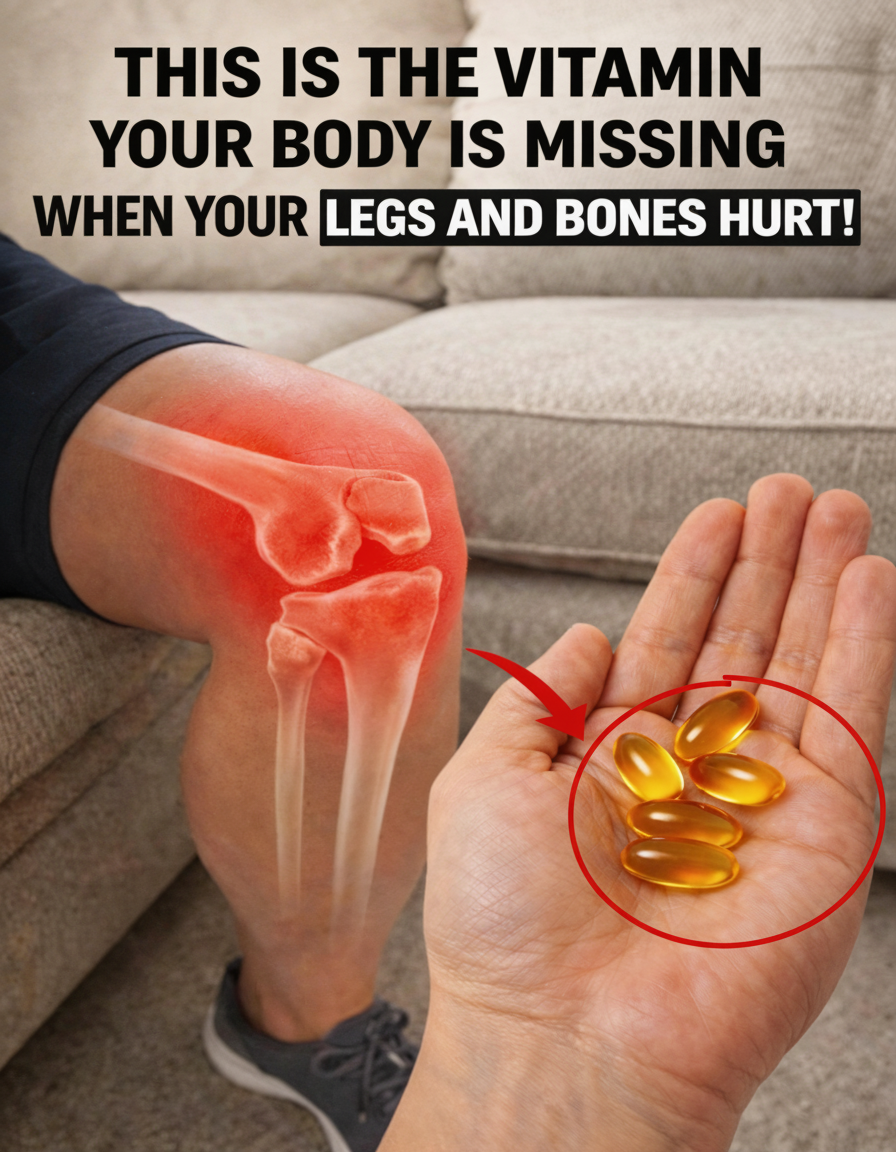
Despite its critical importance for health, vitamin D deficiency is remarkably common worldwide. Global health organizations estimate that approximately one billion individuals currently experience insufficient vitamin D levels. This widespread issue stems from a combination of modern lifestyle choices and physiological factors:
- Reduced Sun Exposure: Often dubbed the “sunshine vitamin,” vitamin D is predominantly synthesized by the skin upon direct exposure to ultraviolet B (UVB) rays from sunlight. Contemporary lifestyles, characterized by extensive indoor time and geographical locations with limited sunlight, significantly impede the body’s natural production.
- Insufficient Dietary Sources: Naturally occurring vitamin D is scarce in most foods, making it challenging to fulfill daily requirements solely through diet. This nutritional gap contributes significantly to widespread deficiency.
- The Aging Process: With advancing age, the skin’s efficiency in synthesizing vitamin D from sunlight diminishes considerably, placing older adults at a higher risk of deficiency.
- Underlying Health Conditions: Various medical conditions, including certain digestive disorders, kidney ailments, and liver diseases, can disrupt the body’s ability to properly metabolize and utilize vitamin D.
Consequently, even individuals who maintain an otherwise balanced and nutritious diet may still find themselves grappling with suboptimal vitamin D levels due to these multifaceted influences.
Dietary Strategies: Foods Rich in Vitamin D
While direct sunlight exposure remains a primary and highly effective method for maintaining optimal vitamin D status, dietary intake also plays a crucial supporting role. Integrating certain vitamin D-rich foods into your regular meals can significantly contribute to healthier levels. Here are some of the top natural and fortified sources:
- Fatty Fish: Excellent choices include salmon, mackerel, and sardines, which are among the best natural sources.
- Egg Yolks: A convenient and accessible source, though the amount of vitamin D varies.
- Fortified Dairy & Plant-Based Milks: Many milk products, including cow’s milk and plant-based alternatives (soy, almond, oat milk), are fortified with vitamin D.
- Fortified Cereals: A quick and easy way to add vitamin D to your breakfast.
- Cod Liver Oil: A traditional supplement, renowned for its high vitamin D content.
Consistently incorporating these food items into your daily diet can be an effective strategy to bolster and sustain adequate vitamin D levels.
Harnessing the Power of the Sun: Vitamin D Production
Sunlight is the most potent natural catalyst for vitamin D synthesis within the human body, initiating a vital biochemical process in the skin. For a significant portion of the population, simply exposing skin to sunlight for 10 to 30 minutes, several times each week, can be sufficient to maintain robust vitamin D levels. However, the exact duration required is highly variable, influenced by factors such as individual skin type, the intensity of UV radiation, and geographical location. It’s important to note that extensive use of sunscreen, predominantly indoor routines, and residing in higher latitudes or regions with prolonged cloudy weather can significantly hinder this natural production, making it challenging to achieve adequate vitamin D solely through sun exposure.