 By admin
 Is Your Healthy Green Salad a Hidden Health Risk? What Every Senior on Blood Thinners Needs to Know
Imagine this: you’re enjoying a delightful bowl of fresh salad on a sunny afternoon, feeling confident about your healthy dietary choices. But what if that seemingly innocent vegetable was actually posing an unexpected risk to your well-being? For many older adults managing chronic health conditions, especially those on specific medications, something as simple as a leafy green could be more impactful than you realize.
Let’s delve into the crucial truth about this potential dietary concern, one that could affect your health without immediate warning. By the end of this article, you’ll understand why certain vegetables, often celebrated as superfoods, might require careful consideration—particularly if you’re taking anticoagulant medications. So, continue reading; we’re about to uncover the real implications this common food could have on your life.
The Unseen Challenge in Your Diet: Spinach, Vitamin K, and Anticoagulants
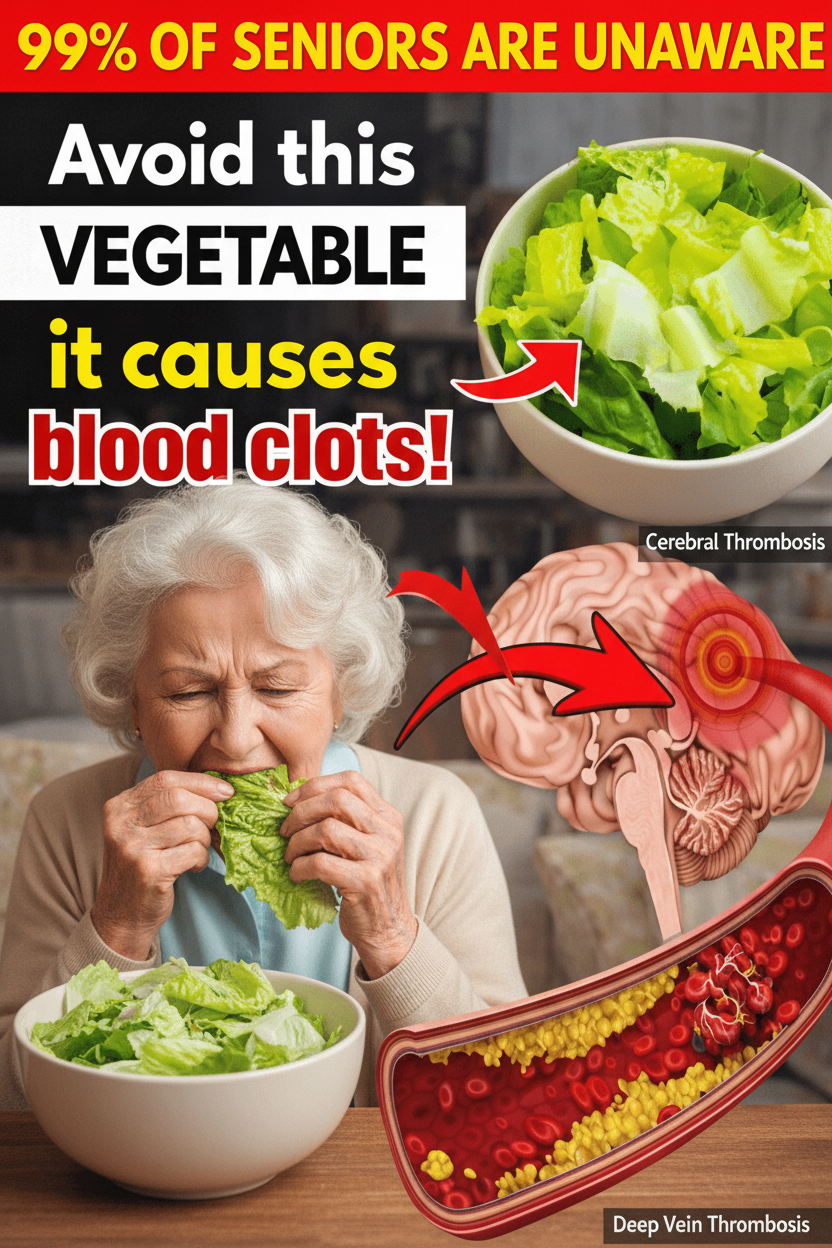
Many seniors managing cardiovascular conditions, especially those prescribed blood-thinning medications like warfarin, might inadvertently put their health at risk by consuming excessive amounts of spinach. While spinach is undeniably rich in vital nutrients such as iron and antioxidants, it also contains significant levels of vitamin K. This vitamin plays a critical role in the body’s natural blood clotting process – a beneficial function for most, but a potential complication for individuals relying on medication to prevent blood clots.
When you consume spinach or other foods abundant in vitamin K, they can interfere with the efficacy of your anticoagulant medication. This interaction could potentially lead to an increased risk of serious events like blood clots or strokes. Inconsistent dietary habits, such as fluctuating spinach intake, can cause unpredictable changes in your International Normalized Ratio (INR) levels, which measure how effectively your blood is clotting. Such instability can be genuinely hazardous.
Why Dietary Consistency is Paramount for Those on Warfarin
Maintaining a steady and consistent intake of vitamin K is absolutely essential for older adults who are taking warfarin. This medication functions by counteracting the clotting action of vitamin K, but its effectiveness is optimized only when your vitamin K consumption remains stable. Research has consistently demonstrated that significant fluctuations in vitamin K intake can lead to unstable anticoagulation, which is not only dangerous but can precipitate severe health complications, including ischemic strokes.
The American Heart Association (AHA) strongly advises that sudden increases in vitamin K intake can result in serious health issues for patients on warfarin. Studies further indicate that warfarin patients who exhibit inconsistent dietary patterns face up to a 40% higher risk of complications due to erratic INR levels.
Spinach: A Nutritional Powerhouse or a Potential Obstacle?
Spinach is widely recognized as a superfood due to its impressive nutritional profile, which includes dietary fiber, iron, and various antioxidants. However, its high vitamin K content—approximately 480 micrograms per cup—far surpasses the typical daily recommended intake for individuals on warfarin. For these patients, consuming too much spinach can significantly diminish the medication’s effectiveness, making it more challenging to prevent the formation of dangerous blood clots.
Insights from Medical Research
The Harvard Health Blog highlights that leafy green vegetables, such as spinach, represent the primary source of vitamin K in most diets. This makes them one of the most significant contributors to potential interactions with warfarin. Overconsumption can easily lead to a precarious imbalance in anticoagulation.
Sarah’s Experience: A Cautionary Tale
Sarah, a 62-year-old retired teacher, had a daily ritual of enjoying a spinach smoothie every morning, believing it was boosting her health. However, during a routine check-up, her doctor discovered alarming fluctuations in her blood clotting times. It was then that she learned her cherished spinach habit was inadvertently causing her anticoagulant medication to become less effective, putting her at unnecessary risk.
How to Protect Your Health and Effectively Manage Risks
The good news is that you don’t necessarily need to eliminate spinach entirely from your diet. The key lies in moderation and, more importantly, consistency. You can proactively manage your health by integrating these practical recommendations into your daily routine:
- Monitor your vitamin K intake: Utilize a food diary or a nutritional tracking app to ensure your consumption of vitamin K-rich foods remains steady from day to day.
- Consult with your physician regularly: Always discuss any proposed dietary changes or concerns with your healthcare provider to personalize your approach and ensure safety.
- Explore alternative greens: Consider substituting high-vitamin K greens like spinach with vegetables that have lower vitamin K content, such as zucchini, bell peppers, or carrots.
By implementing these thoughtful adjustments, you can continue to enjoy a balanced and nutritious diet without compromising the efficacy of your vital medications.
Comparing Common Vegetables and Their Vitamin K Content
Here’s a concise comparison of popular vegetables and their approximate vitamin K content per cup, designed to help you make more informed dietary choices:
Vegetable Vitamin K per Cup (mcg) Potential Impact on Warfarin
Spinach 480 High; may reduce effectiveness
Kale 1062 Very high; significant interaction
Broccoli 220 Moderate; monitor intake
Lettuce 97 Low; generally safer
Carrots 16 Minimal; good alternative
Actionable Tips for Managing Your Diet While on Warfarin
Here’s a straightforward action plan to help you consistently manage your vitamin K intake and maintain stable anticoagulation:
- Keep a consistent record of your spinach and other leafy green consumption: Aim for regularity in the amounts you eat.
- Maintain open communication with your healthcare team: Regularly discuss your dietary habits and any concerns with your doctor or a registered dietitian.