 By admin
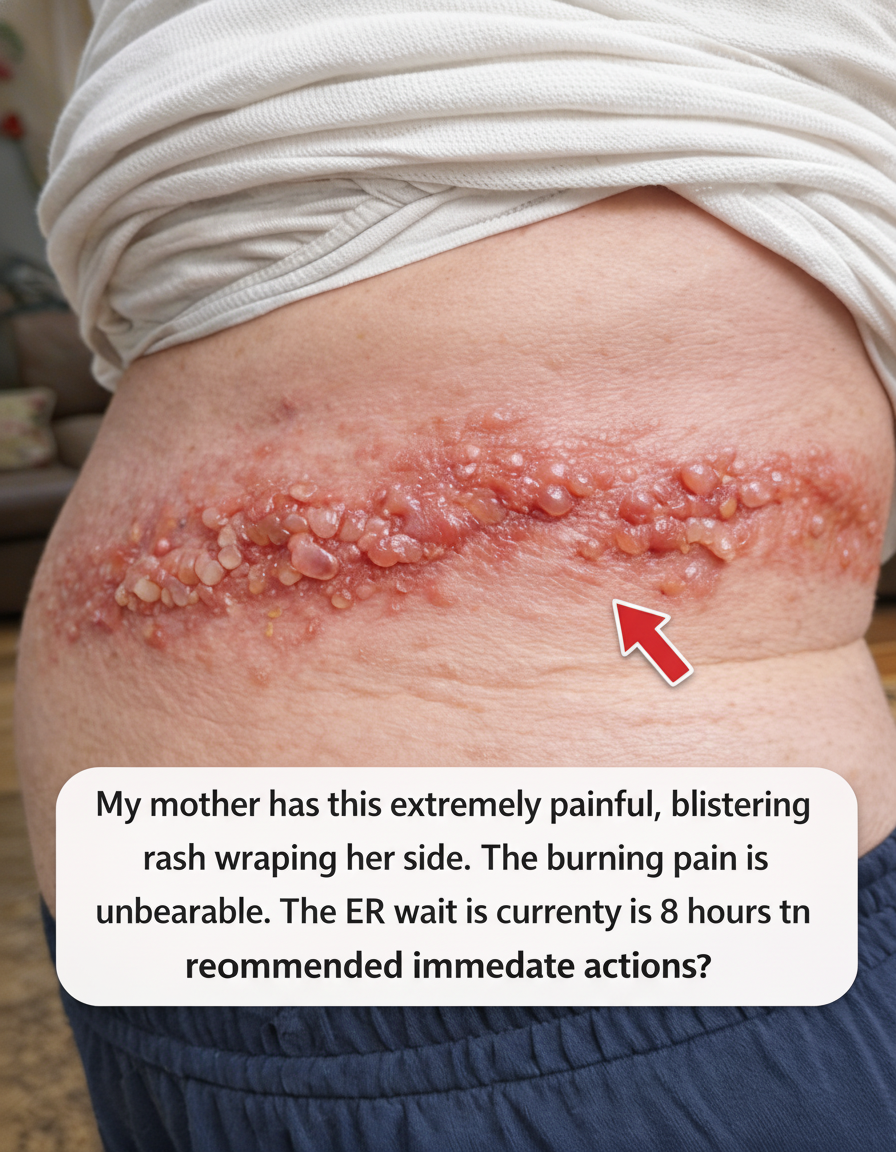
 Witnessing a parent or loved one grapple with a painful, blistering skin rash that extends around their torso can be profoundly upsetting. The intense burning sensation and visible lesions, coupled with the prospect of lengthy emergency room wait times—often exceeding several hours—can amplify feelings of helplessness and concern over potential complications. Fortunately, while professional medical attention is crucial, there are immediate, gentle home comfort measures you can implement to alleviate discomfort and provide vital support, helping to make the wait for emergency care more tolerable.
When Immediate Emergency Care is Essential for a Blistering Rash
It’s vital to understand that not all skin rashes are benign; certain characteristics necessitate immediate medical evaluation. Should your loved one exhibit any critical warning signs, prompt emergency care is non-negotiable, regardless of potential wait times. Why is this urgency so critical? A severe blistering rash, especially when accompanied by intense pain, can be indicative of serious underlying conditions where delayed treatment could lead to significant complications. Below is a crucial checklist of symptoms that warrant an immediate trip to the emergency department:
- A persistent fever exceeding 101°F (38.3°C), which may signify a spreading infection.
- Blisters that are rupturing, developing into open sores, or exhibiting signs of skin peeling.
- Any facial, lip, or tongue swelling, potentially indicating a severe allergic reaction.
- Difficulty breathing, episodes of dizziness, or an abnormally rapid heart rate—these are serious indicators of conditions like anaphylaxis.
- A rapidly expanding rash, particularly if it features purplish spots that do not blanch (fade) when pressed.
- Pain so debilitating that it prevents restful sleep, normal movement, or even basic comfort.
These “red flag” symptoms should be taken extremely seriously. Renowned health institutions, including the Mayo Clinic, underscore that conditions such as shingles or cellulitis frequently manifest with these alarming features and demand swift medical assessment to prevent further health deterioration.
Exploring Potential Causes of a Blistering Rash (Without Self-Diagnosing)
While curiosity about the rash’s origin is understandable, it’s crucial to reiterate that only a qualified medical professional can deliver an accurate diagnosis. Nevertheless, familiarizing yourself with common potential causes can equip you with valuable information to share with the attending physician. For example, shingles frequently presents as a severely painful, blistering eruption confined to one side of the body, often preceded by a distinct burning or tingling sensation. Contact dermatitis, conversely, typically appears where the skin has come into contact with an irritant or allergen, such as a new laundry detergent or a specific plant. Cellulitis is generally characterized by areas of skin that are hot, swollen, and intensely red, frequently accompanied by a fever. Lastly, allergic reactions might manifest as itchy hives or localized swelling following exposure to a novel food item or medication. The table below offers a brief comparison of these potential triggers:
| Potential Cause | Key Identifying Features |
|---|---|
| Shingles (Herpes Zoster) | Preceded by burning/tingling; painful, unilateral (one-sided) band-like rash |
| Contact Dermatitis | Rash localized to areas of direct exposure to an irritant (e.g., new soap, jewelry) |
| Cellulitis | Skin is warm, tender, swollen, and red; often accompanied by systemic fever |
| Allergic Reaction | Sudden onset of itchy welts (hives) or swelling after exposure to a new allergen (food, medication) |
Notably, research from reputable organizations like the American Academy of Dermatology indicates that meticulously noting the rash’s onset and any recent alterations in your loved one’s routine can significantly streamline the diagnostic journey upon arrival at the emergency room.
Immediate Home Comfort Strategies While Awaiting Medical Care
Should the presenting symptoms not align with the urgent “red flags” requiring immediate ER intervention, yet the discomfort remains considerable, the focus should shift to effective at-home soothing techniques. It’s crucial to understand that these measures serve as temporary relief and are not substitutes for professional medical diagnosis and treatment. However, they can significantly mitigate pain and distress during the waiting period.
Begin with the application of cool compresses. Immerse a clean, soft cloth in cool (not icy cold, to prevent skin shock) water, wring out the excess, and gently place it over the affected skin for durations of 10 to 15 minutes. This can be repeated hourly or every two hours as needed. The efficacy of cool compresses lies in their ability to constrict blood vessels, thereby reducing localized inflammation and providing a temporary numbing effect against burning sensations.
Another highly recommended strategy involves colloidal oatmeal treatments. Products containing finely ground oats, such as those readily available over-the-counter from brands like Aveeno, are recognized in dermatological research (e.g., from the Journal of Drugs in Dermatology) for their soothing and anti-inflammatory attributes. For widespread rashes, a full oatmeal bath can be prepared by adding one cup of finely ground colloidal oats to lukewarm bathwater; encourage your loved one to soak for approximately 15 minutes. If the rash is localized to the side, a targeted paste can be created by mixing colloidal oats with a small amount of water and applying it gently to the area.
Furthermore, over-the-counter oral medications can offer additional relief. If an allergic component to the rash is suspected, an oral antihistamine like diphenhydramine (Benadryl) or cetirizine (Zyrtec) may help reduce itching and swelling. Always consult with a pharmacist or healthcare provider before administering new medications, especially for elderly individuals or those with pre-existing conditions.