 By admin
 Moringa Oleifera: Unveiling the Science-Backed Wellness Potential of the ‘Miracle Tree’
Navigating the complexities of modern life often brings common health concerns to the forefront, such as inconsistent energy levels, challenges with maintaining stable blood sugar, supporting optimal blood pressure, managing cholesterol, and ensuring healthy circulation. These daily hurdles can significantly impact comfort, productivity, and long-term health aspirations. Fortunately, the natural world provides a wealth of nutrient-dense alternatives that can complement a holistic lifestyle. Among these, Moringa oleifera, widely recognized as the “miracle tree,” has garnered considerable interest in both scientific research and traditional medicine due to its exceptional nutritional composition. The question then arises: can the humble leaves of this plant genuinely contribute to enhancing metabolic health and cardiovascular function? Join us as we explore the scientific evidence behind moringa’s potential and practical methods for its incorporation into your daily routine.
What Makes Moringa Leaves Stand Out Nutritionally?
Moringa oleifera is a rapidly growing deciduous tree native to specific regions of Asia and Africa, now cultivated globally due to its adaptability. Its leaves are celebrated as a superfood, brimming with essential vitamins, minerals, and potent bioactive compounds.
- Rich in essential nutrients: Moringa leaves boast remarkably high concentrations of vitamin C, vitamin A, calcium, potassium, and protein, often surpassing the levels found in many common vegetables.
- Packed with powerful antioxidants: Key compounds such as quercetin, chlorogenic acid, and beta-carotene are abundant, playing a crucial role in combating oxidative stress—a major factor in overall health and aging.
- Abundant in polyphenols and flavonoids: These vital plant-based elements are known for their anti-inflammatory properties and their potential to positively influence various metabolic processes within the body.
Scientific investigations frequently highlight the synergistic action of these nutrients. For instance, studies consistently point to moringa’s capacity to bolster the body’s intrinsic antioxidant defenses, which is paramount for individuals prioritizing long-term wellness. But the benefits extend even further…
How Moringa May Support Healthy Blood Sugar Balance
Maintaining stable blood sugar levels is fundamental for sustained energy, balanced mood, and preventing disruptive spikes or crashes. Emerging research delves into moringa’s potential role in this vital area.
Both animal studies and a limited number of human trials indicate that extracts or powdered forms of moringa leaves might assist in moderating post-meal blood sugar responses. A comprehensive review of several studies identified modest reductions in both fasting and after-meal glucose levels in specific scenarios, potentially attributed to compounds that enhance insulin sensitivity or decelerate carbohydrate absorption. While one small human study observed positive effects when moringa was integrated into meals, it’s crucial to acknowledge that results have varied across different trials.
Broader scientific reviews underscore that, despite promising preclinical findings, human evidence remains preliminary and often inconsistent for making widespread claims. This distinction is significant:
Incorporating nutrient-dense foods like moringa can serve as an excellent complement to a diet rich in whole foods, fiber, and balanced carbohydrates—dietary habits already well-established for supporting robust metabolic health.
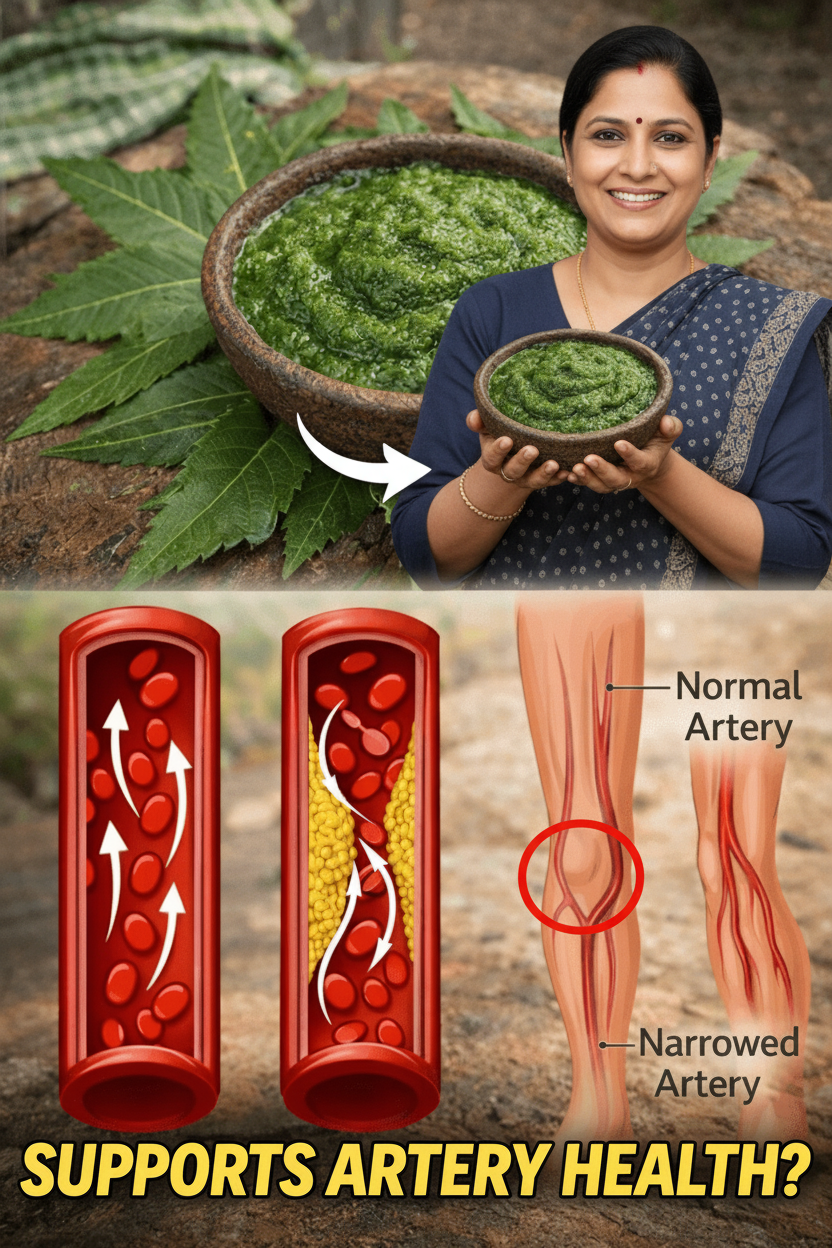
Potential Effects on Blood Pressure and Circulation
Optimal blood pressure and efficient circulation are intrinsically linked to overall cardiovascular well-being. Moringa leaves contain specific compounds, including quercetin and other flavonoids, which may contribute to vascular relaxation and support healthy nitric oxide pathways.
Some animal models have demonstrated improved vascular function and modest effects on blood pressure. In human observational studies, occasional reports suggest slight reductions in diastolic pressure with consistent moringa use, particularly at lower doses over several weeks or months. Enhanced circulation could facilitate better nutrient delivery throughout the body and mitigate oxidative stress on blood vessels. Nevertheless, meta-analyses caution that any observed effects are typically modest, not always consistent, and contingent on factors such as dosage, duration, and individual physiological responses.
The key takeaway is clear: while moringa can be a valuable addition to heart-healthy dietary patterns, it should not be considered a replacement for scientifically proven lifestyle interventions, such as regular exercise, a low-sodium diet, and effective stress management.
Insights on Cholesterol and Lipid Profiles
Achieving a healthy balance of cholesterol levels is paramount for arterial health and reducing long-term cardiovascular risks. Moringa has been investigated for its potential lipid-modulating properties.
Research, including some human trials, suggests possible reductions in total cholesterol, low-density lipoprotein (LDL or “bad”) cholesterol, and triglycerides, alongside potential increases in high-density lipoprotein (HDL or “good”) cholesterol in certain populations. These beneficial shifts might be attributable to moringa’s rich antioxidant content and fiber, which influence fat metabolism. One study involving overweight participants noted improvements after several weeks of low-dose moringa powder supplementation. However, comprehensive reviews often conclude that the evidence is mixed—some trials indicate benefits, while others show minimal or no effect—underscoring the necessity for more rigorous and extensive research.
Nevertheless, integrating moringa into a diet that is low in processed fats and abundant in plant-based foods represents a sensible strategy to support overall wellness and cardiovascular health.