 By admin
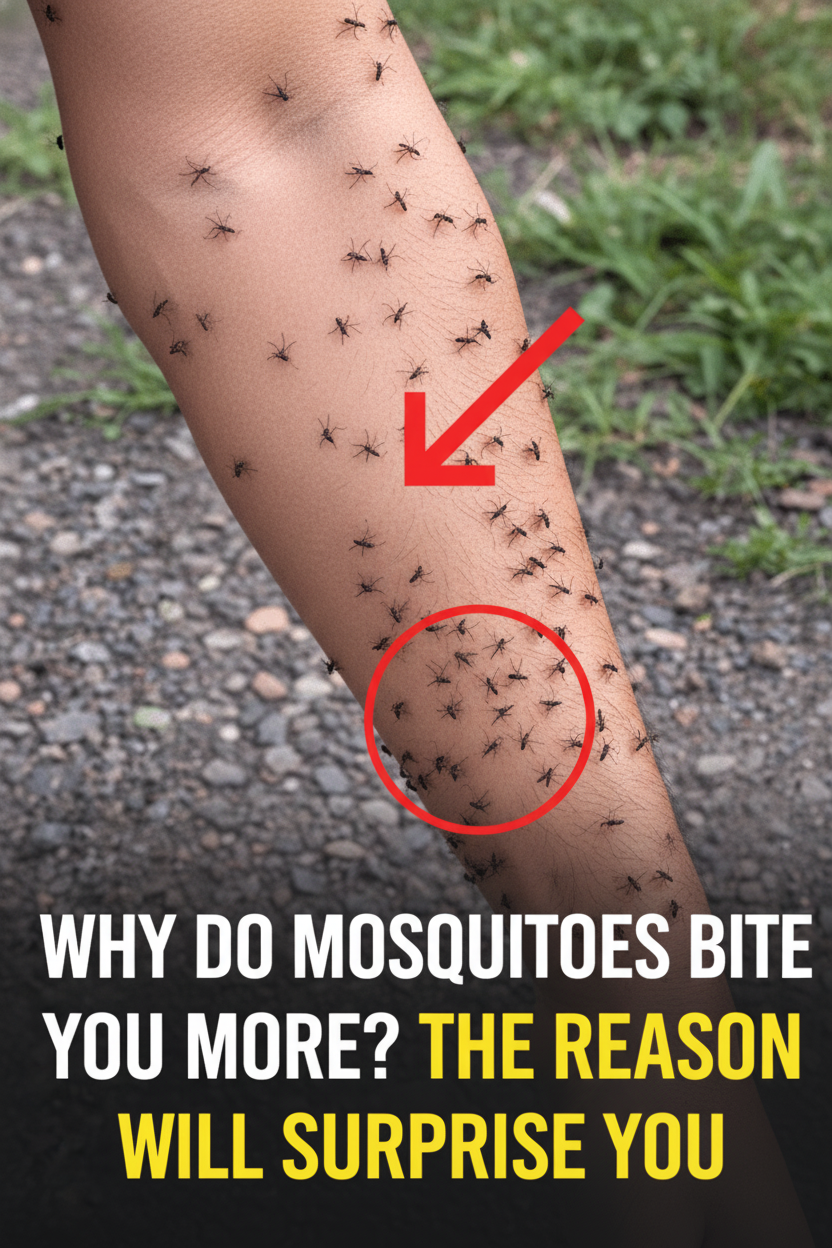
 Ever feel like you’re the main course at a mosquito buffet while your buddies walk away without a single nibble? That’s not just bad luck, my friend, that’s science playing a dirty trick on you! It feels incredibly frustrating, and you start wondering what you’re doing wrong. The truth is, mosquitoes don’t bite randomly—they’re actually following specific biological signals your body naturally sends out. But here’s the good news: once you understand these sneaky signals, you can take smarter steps to make yourself less noticeable to them and finally enjoy your time outdoors with far fewer itchy surprises. Reclaim your chill!
Why Do Mosquitoes Prefer Certain People Over Others?
Hold up, before you blame your karma, let’s get real. Female mosquitoes—yeah, the only ones that bite, those little vampires—are highly skilled hunters. They use a combination of senses to locate a blood meal, starting from a distance and getting more precise as they get closer. Research shows that some people consistently attract more mosquitoes than others due to a mix of chemical, physical, and even visual cues. So, what’s their secret sauce? What exactly makes one person a “mosquito magnet” while another barely gets noticed? Let’s dive into the nitty-gritty.
1. Carbon Dioxide: Your Breath as a Long-Range Beacon
Every breath you take? That’s not just air, buddy, it’s a giant neon sign flashing “Dinner is Served!” for every mosquito within 50 meters! Mosquitoes can detect this gas from up to 50 meters away using specialized organs on their antennae. People who naturally exhale more CO₂—such as larger individuals, those with higher metabolic rates, or pregnant women—tend to draw more attention from these bloodthirsty fiends. Think you’re safe?
Physical activity makes this even more noticeable. When you exercise, your breathing rate increases, sending out a stronger signal. That’s why you might suddenly become more popular with mosquitoes right after a workout. You’re not just sweating; you’re pumping out a mosquito party invitation with every pant!
2. Body Chemistry and Sweat: The Close-Range Invitation
Okay, so they’re close. Now what? As mosquitoes get nearer, they zero in on compounds released through your skin and sweat. Key players include lactic acid, ammonia, and uric acid. These substances vary from person to person based on individual body chemistry. Studies indicate that your unique skin bacteria also help shape the scent profile that mosquitoes either love or ignore. People who sweat more or have higher concentrations of certain compounds often find themselves on the receiving end of more bites. Congrats, you’re probably their favorite five-star restaurant. Here are some common sweat-related factors that can increase appeal:
- Higher levels of lactic acid after exercise
- Natural variations in skin pH and bacterial composition
- Individual differences in how your body breaks down sweat components
3. Body Temperature: Heat as a Homing Signal
Once they’re in your airspace, your body heat becomes their ultimate GPS. Mosquitoes are drawn to warmth. Higher skin temperature makes you easier to locate once they’re in the area. This is one reason why mosquitoes seem more aggressive during hot weather or right after you’ve been active. You’re literally radiating ‘BITE ME’ signals!
And for all the amazing pregnant women out there? You’re not just glowing; you often experience slightly higher body temperatures and increased CO₂ output, which research links to roughly twice as many bites in some species compared to non-pregnant women. Ugh, double the deliciousness for them.
4. Genetics: The Hidden Factor You Can’t Change
Alright, here’s the kicker: some of this ain’t your fault at all. Genetics play a surprisingly large role. Twin studies suggest that hereditary factors can account for a significant portion of why some people are more attractive to mosquitoes. Turns out, your DNA might be secretly broadcasting ‘Mosquito Buffet’ signals. Your genes influence everything from natural body odor to how your skin produces certain chemicals and even the makeup of your skin microbiome.
One older but frequently cited estimate puts the genetic contribution as high as 85% in some cases. While you can’t rewrite your DNA, understanding this can help you accept that it’s not just “bad luck.” So next time you’re covered in bites, don’t just sigh ‘bad luck.’ It might just be your ancestors playing a prank from beyond the grave. At least now you know it’s not you, it’s your genes!
5. Diet, Lifestyle, and Other Influences
Think your diet doesn’t matter? Think again! What you consume can subtly affect your scent profile. For example, drinking beer has been associated with increased attraction in some observations, possibly due to changes in body chemistry or sweat composition. Hydration levels and overall diet may also play minor supporting roles, though they are far less influential than CO₂, heat, or genetics. Cracking open a cold one? Some studies hint that beer might make you a hotter target.
Clothing Color: A Visual Cue Mosquitoes Notice
And get this: these little bloodsuckers aren’t just sniffing you out; they’re *seeing* you too! Surprisingly, mosquitoes also use vision. Research from the University of Washington found that after detecting CO₂, certain mosquito species are more likely to fly toward specific colors, particularly red, orange, black, and cyan. Lighter colors like white, beige, or pastels tend to be less noticeable. So, ditch the dark, flashy threads if you want to blend in. Think light, breezy pastels – white, beige – colors that basically scream ‘Nothing to see here, folks!’
Practical Ways to Reduce Mosquito Bites
So,