 By admin
 Natural Relief: 5 Effective Home Remedies for Swollen Feet and Legs
Experiencing discomfort from swollen feet and legs can significantly impact your daily life, making even simple movements feel cumbersome. This common condition, often characterized by a feeling of heaviness, tightness, and restricted mobility, frequently arises after extended periods of standing or sitting, during warmer climates, or due to dietary factors. The good news is that many individuals can find substantial relief through accessible, natural home remedies and minor lifestyle adjustments aimed at improving circulation and reducing fluid retention. This guide delves into five practical, evidence-backed strategies you can implement right away to alleviate discomfort. Make sure to read until the very end for a crucial, often-missed tip that can enhance your overall daily well-being.
Understanding Edema: Why Your Feet and Legs Swell
Leg and foot swelling, medically known as edema, occurs when an excessive amount of fluid accumulates within the body’s tissues. This fluid buildup can be triggered by a range of common daily factors, such as maintaining a stationary position (either sitting or standing) for prolonged durations, consuming a diet rich in sodium, or simply not engaging in enough physical activity throughout the day. Leading health institutions like the Mayo Clinic and Cleveland Clinic emphasize that many mild instances of edema can be effectively managed and improved with straightforward modifications to one’s daily habits and environment.
It’s crucial to distinguish between occasional, mild swelling and more concerning symptoms. While temporary fluid retention is a common experience, any persistent swelling, sudden onset, or accompanying symptoms should prompt a consultation with a healthcare professional to rule out any underlying medical conditions. However, for the majority experiencing routine discomfort, integrating supportive self-care practices can profoundly enhance the comfort and sensation in your lower limbs by day’s end.
1. Elevate Your Legs to Encourage Natural Fluid Drainage
Among the most straightforward and impactful strategies for alleviating lower limb swelling is the consistent practice of elevating your legs above heart level. By counteracting the effects of gravity, which naturally pulls fluid downwards, this technique actively promotes the body’s intrinsic ability to drain excess fluid and reduce pooling. For optimal results, lie comfortably on your back and use pillows or a wall to prop your legs up. Aim for sessions of 15–20 minutes, repeated several times throughout the day, particularly after prolonged periods of standing or sitting. Incorporating leg elevation into your work breaks or evening relaxation routine can offer significant relief, as supported by guidelines from reputable health organizations like the Mayo Clinic, which underscore its benefits for circulation and preventing fluid buildup.
2. Optimize Hydration and Manage Sodium Intake
While it may seem paradoxical to drink more water when experiencing fluid retention, maintaining adequate hydration is, in fact, crucial. Sufficient water intake empowers your kidneys to efficiently flush out excess sodium and fluids from your system. Conversely, dehydration can signal your body to retain water, exacerbating swelling. Strive to consume at least eight glasses of water daily, adjusting your intake based on your activity level and the climate. Simultaneously, pay close attention to your dietary sodium. Minimize your consumption of salty snacks, highly processed foods, and frequent restaurant meals. Instead, prioritize fresh, whole foods such as fruits, vegetables, and home-prepared dishes. Incorporating potassium-rich foods like bananas, spinach, and sweet potatoes can further assist in maintaining a healthy fluid balance within the body. Experts, including those at Healthline, consistently highlight that a balanced approach to fluid intake and sodium reduction is key to progressively diminishing noticeable swelling.
3. Embrace Gentle Movement and Light Exercise
Engaging in regular, gentle physical activity is a powerful way to combat swelling, as it activates your leg muscles to function as natural pumps, effectively pushing accumulated fluid back towards the heart. Opt for low-impact exercises to support your joints and avoid unnecessary strain. Here are several accessible ways to integrate movement into your day:
- Short Walks: Even brief strolls of 10–15 minutes throughout the day can significantly stimulate circulation.
- Ankle Pumps: While seated or lying down, repeatedly flex your feet towards your shins and then point your toes away. Perform this simple exercise for 1–2 minutes at a time.
- Aquatic Activities: Swimming or walking in water provides a supportive environment where the water’s natural pressure gently massages and aids in fluid displacement.
- Gentle Yoga: Poses such as “Legs-Up-the-Wall” (Viparita Karani) offer the dual advantages of gentle movement and elevation, promoting both circulation and drainage.
As advised by health professionals at institutions like the Cleveland Clinic, consistent movement is fundamental for improving blood flow and proactively preventing fluid retention and the onset of swelling.
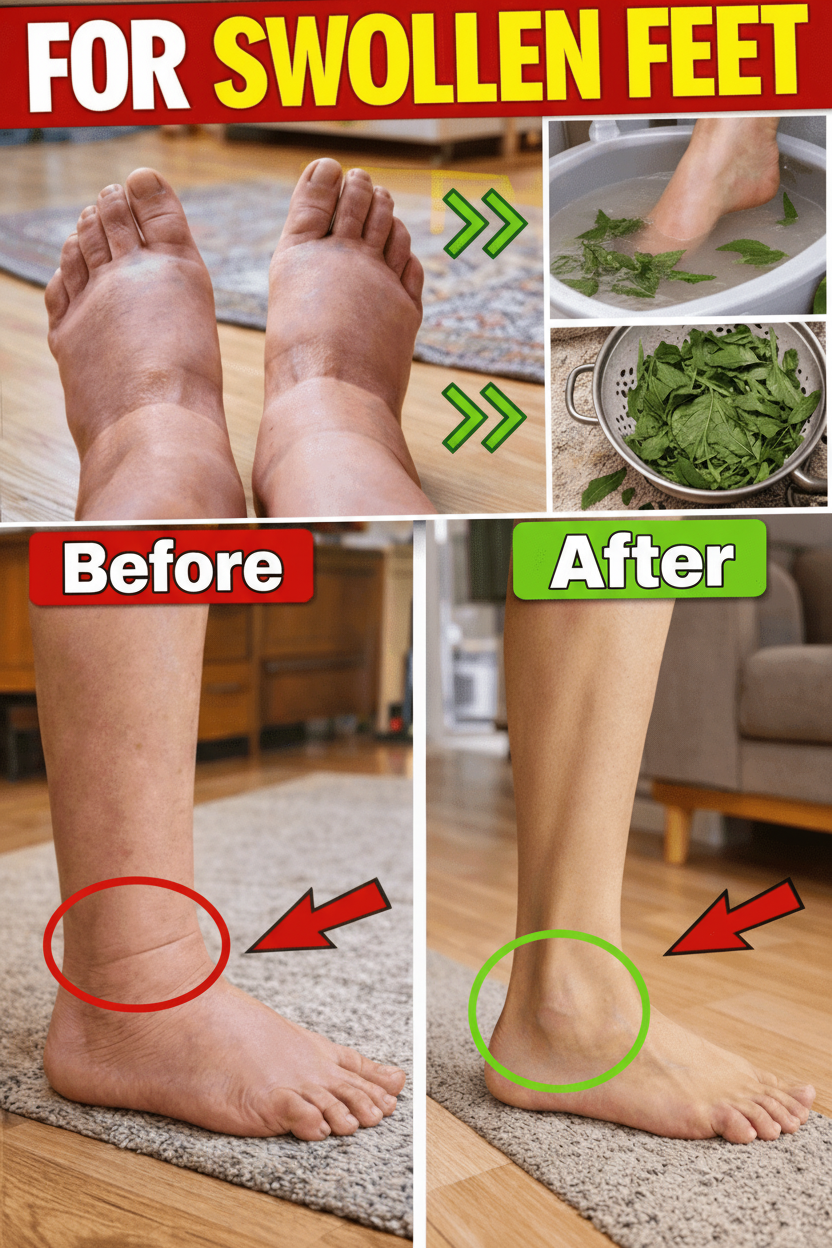
4. Indulge in a Soothing Epsom Salt Foot Soak
A warm foot bath infused with Epsom salt (magnesium sulfate) is a time-honored remedy often sought for its relaxing and comforting properties for tired, swollen feet. While the scientific community’s findings on magnesium absorption through the skin remain somewhat inconclusive, a wealth of anecdotal evidence and preliminary studies indicate that Epsom salt soaks can effectively alleviate muscle tension and impart a soothing sensation to swollen areas. To experience this calming practice, follow these simple steps:
- Prepare a basin with comfortably warm (not scalding hot) water, ensuring there’s enough to fully submerge your feet and ankles.
- Dissolve 1–2 cups of Epsom salt into the water, stirring until it is fully incorporated.
- Soak your feet for 15–20 minutes, gently wiggling your toes or flexing your ankles periodically.
- After soaking, pat your skin dry and apply a moisturizer, especially if you’re prone to dry skin.
This popular self-care ritual can be wonderfully rejuvenating for fatigued legs. However, if you have any existing conditions such as open wounds, diabetes, or heightened skin sensitivities, it is advisable to consult your doctor before trying Epsom salt soaks, as extended exposure can potentially lead to skin dryness or other complications.
5. Integrate Compression Wear and Supportive Practices
Incorporating light compression into your daily routine can provide significant support for managing swollen feet and legs. Compression socks or stockings work by applying gentle, consistent pressure to your lower limbs, which helps to encourage the upward movement of fluid and blood back towards the heart, thereby preventing fluid from pooling in the ankles and feet. Unlike tight garments that might restrict circulation, well-fitted compression wear is designed to support natural flow. When selecting compression garments, look for graduated compression options, which exert the most pressure at the ankle and gradually decrease towards the knee or thigh. These are ideal for daily wear and are particularly beneficial for individuals who spend long hours standing or sitting. They not only aid in fluid management but also offer a supportive feeling that can reduce leg fatigue and discomfort throughout the day.
The Overlooked Key: Consistency and a Holistic Approach
While each of these natural remedies offers distinct benefits for easing swollen feet and legs, the truly transformative secret lies in their consistent application and a holistic approach. It’s not about choosing just one method, but rather integrating several of these practices into your daily life. Regularity is paramount—a single leg elevation session or one day of reduced sodium intake may offer temporary relief, but sustained improvement comes from making these changes habitual.
Think of these strategies as interconnected elements of a wellness routine. Combining leg elevation with proper hydration, gentle movement, and supportive compression creates a synergistic effect, amplifying their individual benefits. Listen to your body, observe what works best for you, and remember that patience and persistence are your allies in managing fluid retention effectively. By consistently adopting these natural habits, you empower your body to maintain better circulation and fluid balance, paving the way for lasting comfort and improved daily well-being.
Disclaimer: This article provides general information and is not a substitute for professional medical advice. Always consult with a healthcare provider for any persistent or severe swelling, or before starting any new treatment.