 By admin
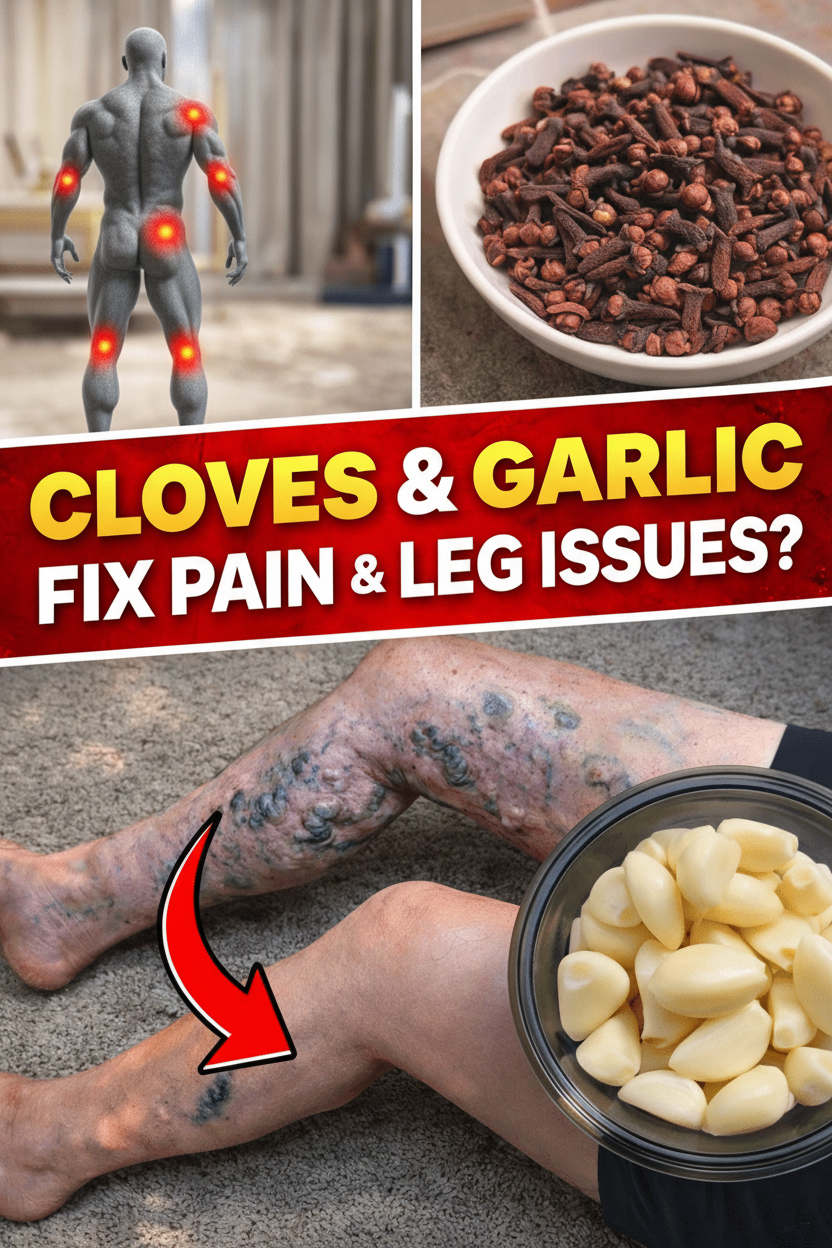
 Persistent leg discomfort, whether from conditions like arthritis, rheumatism, or varicose veins, can significantly impact daily life, turning simple acts of walking or standing into tiresome challenges. This ongoing ache often disrupts sleep, restricts movement, and diminishes overall quality of life, prompting many to seek gentle, supportive methods for easing daily strain. While no single ingredient offers an instant remedy, certain everyday kitchen staples, notably cloves and garlic, have garnered attention in traditional medicine and preliminary scientific investigations for their potential anti-inflammatory and circulation-enhancing properties. Could a straightforward, home-based routine incorporating these accessible items offer noticeable relief? This article delves into evidence-based insights on how cloves and garlic might contribute to leg wellness, alongside practical and safe ways to integrate them into your routine.
Understanding the Roots of Leg Discomfort
Leg pain frequently originates from inflammation within the joints, as commonly observed in conditions such as arthritis or rheumatism, or from compromised blood circulation, a hallmark of varicose veins. Inflammation manifests as swelling, stiffness, and tenderness, while impaired blood flow can lead to sensations of heaviness, cramping, or visible changes in vein appearance. Scientific studies indicate that compounds found in various plants can positively influence these physiological processes by moderating inflammatory responses or bolstering vascular health. For example, research underscores that anti-inflammatory actions can be instrumental in managing symptoms linked to joint issues, while enhanced blood flow is crucial for optimal vein function. Furthermore, lifestyle factors such as prolonged periods of sitting, insufficient physical activity, or advancing age also play a significant role, emphasizing the importance of adopting holistic health practices.
The Role of Cloves in Promoting Leg Comfort
Cloves, which are the dried flower buds of the Syzygium aromaticum tree, contain eugenol—a potent compound extensively studied for its potential anti-inflammatory and analgesic (pain-relieving) properties. Research, encompassing both animal models and initial human observations, suggests that eugenol may interfere with biochemical pathways similar to those targeted by conventional over-the-counter pain relievers, potentially reducing swelling and alleviating discomfort associated with conditions like arthritis.
Key Potential Benefits:
- May help decrease inflammatory markers in the body.
- Supports localized relief when applied externally.
- Historically utilized for muscle and joint support in traditional remedies.
One comprehensive review highlights eugenol’s ability to block certain pain-related chemicals and prostaglandins, presenting a natural avenue for symptom management. However, it’s important to note that much of the existing evidence stems from laboratory or animal studies, with large-scale human clinical trials still limited.
How Garlic May Enhance Leg Wellness
Garlic (Allium sativum) is rich in beneficial sulfur compounds, such as allicin, which are renowned for their capacity to support healthy circulation and mitigate inflammation. Several studies have linked garlic consumption to improved blood vessel function and mild anti-clotting effects, which could prove beneficial for individuals experiencing varicose veins or circulation-related leg discomfort.
Potential Advantages:
- Encourages healthier blood flow throughout the body.
- Exhibits powerful antioxidant effects that help protect blood vessels.
- Traditionally applied topically for targeted, localized support.
Evidence suggests that garlic can enhance endothelial function—the health of the inner lining of blood vessels—and reduce oxidative stress, thereby indirectly contributing to overall vein health. While not a standalone cure, integrating garlic into your routine can act as a valuable complement to other wellness practices.
Practical Approaches to Incorporate Cloves and Garlic
Here are actionable and gentle methods, grounded in traditional practices and supportive research, for incorporating cloves and garlic into your daily life. Always begin with small amounts and closely observe how your body responds.
Topical Oil Blend (for external use only):
- Gently crush 4-5 fresh garlic cloves and combine with 1 teaspoon of whole cloves (or ½ teaspoon of ground cloves).
- Warm the mixture gently in ½ cup of a carrier oil (such as olive or coconut oil) for 10-15 minutes, ensuring it does not boil.
- Strain the oil, allow it to cool, and store it in a clean glass jar.
- Apply a small quantity to clean legs, massaging in an upward motion towards the heart for 5-10 minutes.
- Use 1-2 times daily; always perform a patch test on a small skin area first to prevent any potential irritation.
Daily Dietary Tips:
- Add fresh garlic to your meals (1-2 crushed cloves, allowing them to sit for 10 minutes before cooking to activate beneficial compounds).
- Incorporate ground cloves into teas, oatmeal, or baked goods (start with ¼ teaspoon).
- Pair these ingredients with other anti-inflammatory foods like vibrant berries, leafy green vegetables, and omega-3 rich fatty fish.
Lifestyle Enhancements to Maximize Benefits
Beyond dietary and topical applications, certain lifestyle adjustments can significantly amplify the supportive effects:
- Elevate your legs above heart level for 15-20 minutes daily to assist with circulation and reduce swelling.
- Engage in regular low-impact physical activities such as walking, swimming, or gentle yoga to promote blood flow and joint flexibility.
- Stay well-hydrated and maintain a balanced weight to alleviate undue pressure on veins and joints.
Consistency with these natural habits and lifestyle supports is often key to experiencing the most significant and lasting relief over time. By embracing a holistic approach that includes the potential benefits of cloves and garlic, you can actively work towards greater leg comfort and overall well-being.