 By admin
 Navigating Endometriosis: Understanding Symptoms, Causes, and Daily Management for Women’s Well-being
Many women experience debilitating chronic pelvic pain during their menstrual periods that extends far beyond typical cramps, significantly disrupting work, relationships, and everyday life. This persistent discomfort can linger throughout the month, often accompanied by profound fatigue, unusually heavy bleeding, or challenges with fertility, leaving them feeling isolated and exhausted from their quest for answers. Endometriosis, a condition affecting millions worldwide, remains under-recognized, with its pervasive symptoms frequently dismissed as merely “normal.” The encouraging news is that gaining a deeper understanding of this condition and adopting supportive lifestyle habits can make a meaningful difference in managing daily comfort and improving quality of life. Continue reading to discover practical steps that many women find invaluable in navigating this journey.
Understanding Endometriosis: What It Actually Is
Endometriosis occurs when tissue remarkably similar to the lining inside the uterus (known as the endometrium) begins to grow in locations outside the uterus. Common sites include the ovaries, fallopian tubes, and the outer surface of the uterus, as well as other areas within the pelvic cavity. This misplaced tissue, like the uterine lining, responds to the body’s monthly hormonal fluctuations during the menstrual cycle—it thickens, breaks down, and bleeds. However, because this ectopic tissue has no natural way to exit the body, it can lead to chronic inflammation, the formation of scar tissue, and adhesions (fibrous bands that can bind organs together), all of which contribute to significant pain and other complications.
Research from esteemed organizations such as the World Health Organization (WHO) indicates that endometriosis affects an estimated 10% of women of reproductive age globally, translating to approximately 190 million individuals. Studies show that symptoms most commonly emerge in women between their 20s and 40s, although the condition can manifest earlier or later in life.
Possible Causes of Endometriosis
The precise etiology of endometriosis remains complex and is not fully understood, but experts point to several plausible contributing factors:
- Retrograde Menstruation: This theory suggests that menstrual blood, containing endometrial cells, flows backward through the fallopian tubes into the pelvic cavity, where these cells then implant and grow.
- Immune System Differences: Variations or dysfunction within the immune system may prevent the body from effectively recognizing and eliminating misplaced endometrial-like tissue.
- Genetic Predisposition: There is evidence of a familial link, suggesting that a genetic component may increase an individual’s susceptibility to developing endometriosis.
- Hormonal and Environmental Influences: Hormonal imbalances, particularly related to estrogen, and exposure to certain environmental toxins are also being investigated for their potential roles in the development of the condition.
While no single cause fully explains every case, these elements offer crucial insights into why endometriosis develops in some individuals and not others.
Recognizing the Signs: Common Endometriosis Symptoms
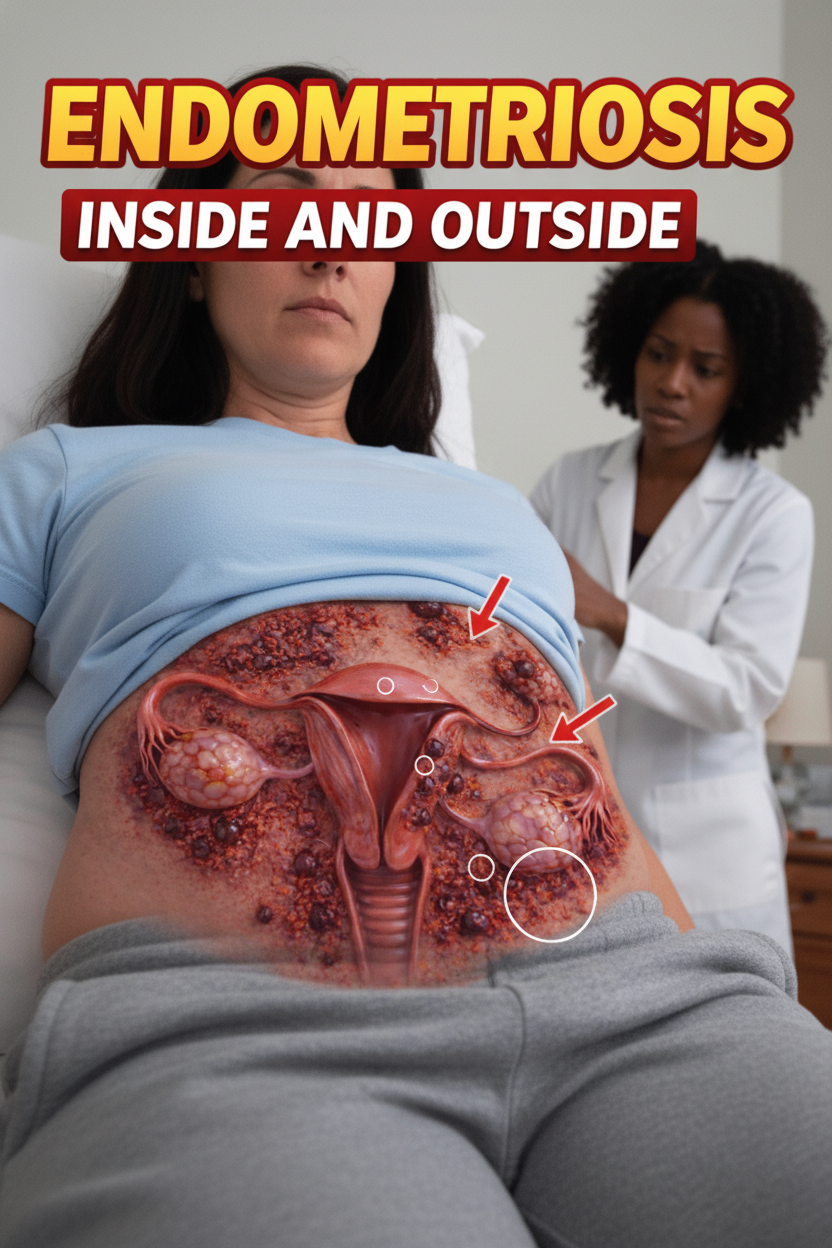
The spectrum of endometriosis symptoms varies significantly among individuals; some women experience mild issues, while others face profound, life-altering challenges. The most frequently reported symptoms include:
- Chronic Pelvic Pain: Pain that often intensifies significantly during menstruation but can persist throughout the entire menstrual cycle.
- Severe Menstrual Cramps (Dysmenorrhea): Excruciating period pain that severely interferes with normal daily activities and often does not respond to typical over-the-counter pain relief.
- Painful Intercourse (Dyspareunia): Discomfort or sharp pain experienced during or after sexual activity.
- Bowel and Bladder Issues: Painful bowel movements or urination, especially exacerbated around the menstrual period, along with symptoms like diarrhea, constipation, or bloating.
- Heavy or Irregular Menstrual Bleeding: Abnormally heavy periods (menorrhagia), prolonged bleeding, or unpredictable bleeding patterns between cycles.
- Fatigue and Digestive Distress: Persistent tiredness, bloating, nausea, or other gastrointestinal problems, particularly pronounced during menstruation.
- Infertility: For a significant number of women, endometriosis can make conceiving difficult or impossible.
Studies from reputable sources like the Mayo Clinic and Cleveland Clinic emphasize that pain often intensifies before and during periods due to the inflammatory response triggered by hormonal shifts. Many women describe the pain as debilitating, profoundly affecting their sleep, mood, and overall well-being. Beyond physical discomfort, endometriosis can significantly impact mental health, leading to feelings of frustration, anxiety, and even depression due to ongoing symptoms and often delayed diagnosis.
The Diagnostic Journey: How Endometriosis Is Typically Identified
Diagnosing endometriosis often begins with a detailed discussion of a woman’s symptoms, medical history, and a thorough physical examination. A pelvic exam may provide initial clues, but imaging techniques such as ultrasound or MRI can help visualize potential endometrial growths, cysts, or adhesions. In many cases, however, a definitive diagnosis frequently requires laparoscopy—a minimally invasive surgical procedure. This allows a healthcare provider to directly visualize the endometrial implants and, if necessary, take biopsies for confirmation. Early and open conversations with a healthcare provider are paramount, as the average time to diagnosis can unfortunately take years due to the condition’s varied symptoms often overlapping with other gynecological and gastrointestinal disorders.
Empowering Strategies for Daily Symptom Management
While there is currently no definitive cure for endometriosis, many women find substantial relief and an improved quality of life through consistent, proactive management strategies. Here’s a step-by-step guide to supportive daily practices that can help alleviate symptoms:
- Track Your Cycle and Symptoms: Utilize a journal or a dedicated mobile application to meticulously record pain levels, identify potential triggers, and observe patterns in your symptoms. This practice empowers you to understand what exacerbates or alleviates your discomfort, providing invaluable data for discussions with your healthcare team.
- Incorporate Gentle Movement: Engage in low-impact physical activities such as walking, swimming, or yoga. These exercises can enhance circulation, reduce stiffness, and release mood-boosting endorphins without placing excessive strain on your body.
- Prioritize an Anti-Inflammatory Diet: Focus on consuming whole, unprocessed foods rich in omega-3 fatty acids (e.g., salmon, flaxseeds), an abundance of fresh fruits and vegetables, and whole grains. Simultaneously, limit inflammatory foods such as processed items, excessive red meat, and refined sugars, which can exacerbate symptoms.
- Utilize Heat Therapy: Applying a warm heating pad to the pelvic area or taking a relaxing warm bath can often provide quick and effective relief from menstrual cramps and general pelvic discomfort by promoting muscle relaxation.
- Practice Stress Reduction Techniques: Integrate daily practices like deep breathing exercises, meditation, or short mindfulness sessions into your routine. Effectively managing stress can help lower overall tension in the body, which often amplifies pain perception.
- Ensure Adequate Sleep and Rest: Prioritize consistent, restorative sleep. Sufficient rest is fundamental for the body’s healing processes, energy levels, and can significantly impact your pain tolerance and overall well-being.