 By admin
 Navigating Irregular Periods: Achieving Hormonal Harmony with Natural Support
Experiencing irregular periods can be a source of concern for many individuals. These are menstrual cycles that deviate notably from the typical pattern, perhaps being shorter than 21 days, extending beyond 35 days, or showing significant shifts in flow characteristics. Emerging research consistently highlights the profound impact of lifestyle factors, such as nutrition and effective stress management, on the intricate hormonal signals originating from the hypothalamus and pituitary gland. These vital glands orchestrate ovulation and menstruation.
Fostering consistency in these areas is not merely beneficial for achieving cycle regularity; it also plays a crucial role in maintaining stable energy levels, promoting emotional balance, and enhancing overall well-being. Furthermore, scientific investigations increasingly point towards the positive influence of anti-inflammatory dietary choices and mindfulness-based stress reduction techniques in cultivating improved hormonal harmony over time.
The Role of Ginger in Supporting Menstrual Health
For centuries, ginger (Zingiber officinale) has been revered in traditional medicine, and its efficacy in supporting menstrual comfort is now gaining recognition in contemporary scientific literature. Extensive research, encompassing systematic reviews and meta-analyses, suggests that ginger possesses potent anti-inflammatory properties, primarily attributed to compounds like gingerols. These properties may significantly contribute to alleviating common menstrual discomforts, particularly cramping.
Beyond direct pain relief, some studies indicate that ginger could indirectly foster aspects of menstrual cycle regularity. This might occur through its positive effects on digestive health, its ability to reduce bloating, and its potential influence on uterine muscle activity. Clinical trials have, for instance, investigated daily dosages ranging from 750–2000 mg of ginger powder, typically administered during the initial days of the cycle, to provide effective symptom support.
Simple Ways to Integrate Ginger into Your Routine:
- To prepare a soothing fresh ginger tea, thinly slice a 1–2 inch section of peeled ginger root, boil it in water for approximately 10 minutes, then strain. Enhance the flavor with a touch of honey or a squeeze of lemon.
- Incorporate freshly grated ginger into your daily diet by adding it to smoothies, enriching soups, or stir-frying it with vegetables and proteins.
- Begin with a modest daily intake, around 1 gram, and diligently monitor your body’s response over several weeks to determine optimal dosage.
Moreover, the benefits of ginger can often be amplified when thoughtfully combined with other natural supportive ingredients, creating a more comprehensive wellness approach.
How Turmeric May Help Promote Cycle Comfort
Turmeric, especially its potent active component, curcumin, is widely celebrated for its remarkable anti-inflammatory and antioxidant capabilities. A growing body of research, including numerous clinical trials and meta-analyses, has explored curcumin’s potential in mitigating menstrual discomfort and alleviating premenstrual syndrome (PMS) symptoms. These studies often indicate promising outcomes, such as a reduction in pain severity and improved mood stability during the menstrual phase.
While direct scientific evidence specifically linking turmeric to the precise regulation of menstrual cycle timing is still developing, its established anti-inflammatory actions and certain studies suggesting estrogen-like activity imply it could contribute to fostering a more conducive internal environment for hormonal balance. For effective supplementation, a common daily dosage ranges from 500–1000 mg of curcumin, frequently combined with black pepper (piperine) to significantly enhance its bioavailability and absorption.
Practical Ways to Incorporate Turmeric:
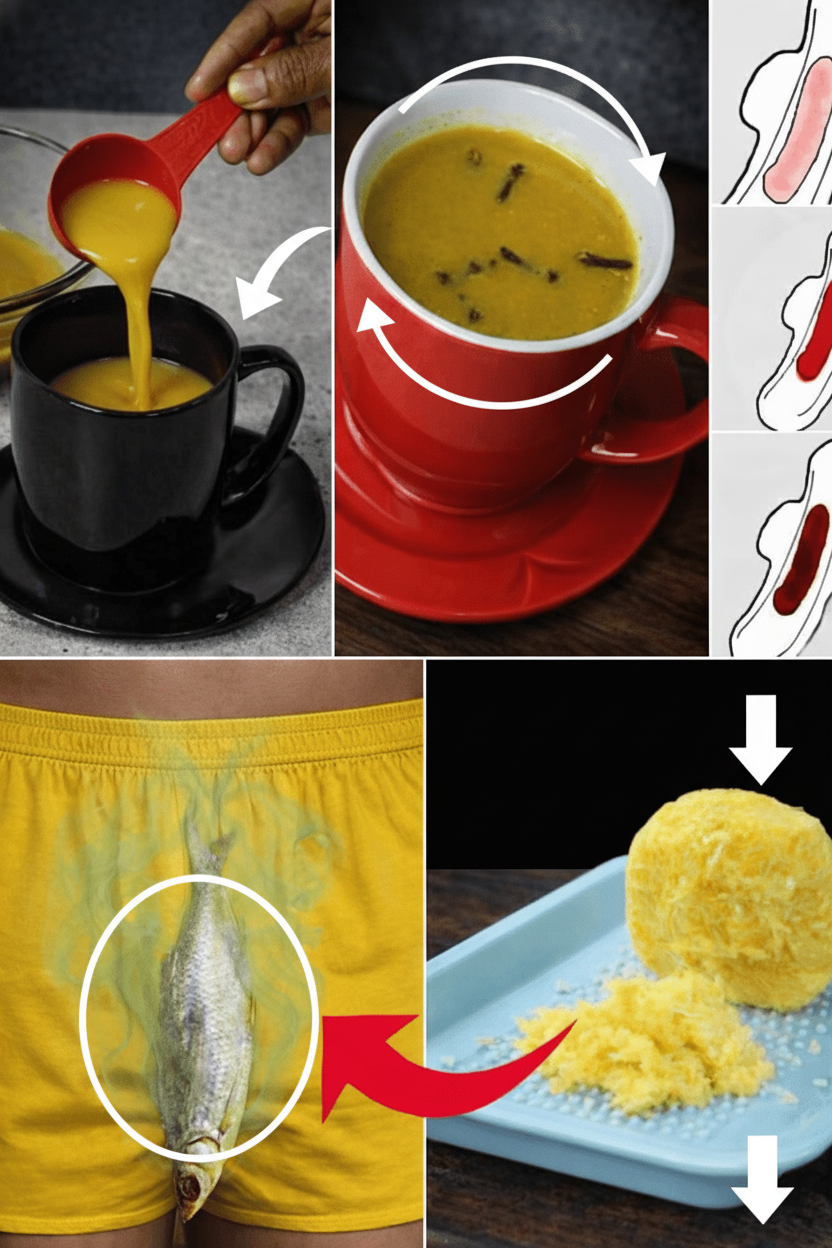
- Prepare a comforting ‘golden milk’ by gently warming your preferred milk (dairy or plant-based) with 1 teaspoon of turmeric powder, a small pinch of black pepper, and optionally, a dash of honey or cinnamon for sweetness.
- Effortlessly integrate turmeric into your daily meals by stirring it into curries, rice preparations, or brewing it into herbal teas.
- If achieving adequate intake through diet proves challenging, consider a high-quality supplement, but always seek advice from a healthcare professional before starting any new regimen.
Interestingly, the synergy between ginger and turmeric truly shines when they are combined, particularly in warm, comforting beverages.
A Soothing Ginger and Turmeric Elixir: Homemade Tea Recipe
This straightforward homemade tea artfully blends the benefits of both ginger and turmeric, offering a wonderfully warming and easy-to-prepare addition to any wellness regimen.
Ingredients (Yields 1–2 servings):
- One 1-inch piece of fresh ginger, peeled and thinly sliced
- One teaspoon of high-quality turmeric powder (or one 1-inch piece of fresh turmeric root, peeled and sliced)
- Two cups of filtered water
- Optional additions: a tiny pinch of black pepper (highly recommended for curcumin absorption), honey or maple syrup to taste, and a fresh lemon slice for brightness.
Step-by-Step Preparation Guide:
- In a small saucepan, bring the two cups of water to a rolling boil.
- Carefully add the sliced ginger and turmeric (along with black pepper, if desired) to the boiling water.
- Reduce the heat to a gentle simmer and allow the mixture to steep for 10–15 minutes, allowing the flavors and compounds to infuse.
- Strain the tea into your favorite mug, sweeten with honey or maple syrup, and add a lemon slice if preferred. Sip mindfully and enjoy the warmth.
For optimal benefits and comfort, aim to enjoy 1–2 cups of this nourishing tea daily, ideally in the morning to kickstart your day or in the evening as a calming ritual. Many individuals find deep comfort in this practice, and the scientific backing for the individual components further validates its gentle yet effective approach to supporting menstrual wellness.
Holistic Approaches: Lifestyle Habits for Promoting Regular Menstrual Cycles
While specific dietary additions like ginger and turmeric offer significant benefits, it’s crucial to recognize that broader lifestyle habits form the bedrock of menstrual health. Here is an evidence-informed overview of key practices:
- Effective Stress Management: Chronic stress elevates cortisol levels, a hormone that can directly interfere with reproductive hormones and disrupt cycle regularity. Incorporating stress-reducing practices such as daily yoga, mindfulness meditation, deep breathing exercises, or spending time in nature can significantly lower cortisol and improve cycle predictability, as supported by numerous studies.
- Balanced and Nutrient-Rich Nutrition: Prioritize a diet rich in whole, unprocessed foods. Focus on essential nutrients like iron (found in leafy greens, lentils), omega-3 fatty acids (from fatty fish, flaxseeds, walnuts), and a spectrum of vitamins and minerals. Adequate intake of healthy fats is particularly vital as they are precursors for hormone production.
- Engage in Moderate Physical Activity: Aim for at least 30 minutes of moderate exercise on most days of the week. Activities such as brisk walking, swimming, cycling, or gentle yoga can enhance circulation, reduce inflammation, and support overall hormonal balance without placing excessive stress on the body, which intense exercise can sometimes do.
- Prioritize Restorative Sleep: Consistent, high-quality sleep is non-negotiable for hormonal regulation. Strive for 7–9 hours of uninterrupted sleep each night to allow your body to repair and reset, which directly impacts the delicate balance of hormones governing your menstrual cycle.
- Diligent Cycle Tracking: Utilize a dedicated period tracking app or a simple journal to monitor your menstrual cycle. Documenting the start and end dates, flow characteristics, and any associated symptoms can help you identify personal patterns, potential triggers for irregularities, and provide valuable information to share with your healthcare provider.
These seemingly small, consistent changes, when integrated into your daily life, can collectively compound over months, leading to profound improvements in your menstrual cycle regularity and overall well-being. Always remember to consult with a healthcare professional for personalized advice regarding your menstrual health.