 By admin
 Embracing romance after the age of 60 often ushers in a vibrant period of renewed connection and profound joy, cherished by many who have weathered life’s various storms. Yet, this exciting phase isn’t without its unique complexities. It can introduce unforeseen emotional and practical obstacles that may catch individuals unprepared, potentially impacting their overall well-being and stability. These challenges are intrinsically linked to a lifetime of accumulated experiences, making a mindful approach to new relationships absolutely crucial. But here’s an encouraging insight we’ll explore: approaching love with wisdom can profoundly enrich your golden years in ways you might not have imagined.
Understanding Emotional Vulnerability in Later-Life Romance
As we mature, our hearts carry a rich tapestry of past experiences – from cherished memories to significant losses. This deep personal history can make the experience of falling in love feel incredibly uplifting, yet it also amplifies our sensitivity to potential heartbreak. Research from the American Psychological Association indicates that older adults may process grief with greater intensity, largely due to an enhanced appreciation for the finite nature of time. Consequently, the unexpected dissolution of a burgeoning romance can evoke profound feelings of lost opportunity, exacerbating loneliness or regret.
Furthermore, emotional bonds forged in later life often involve a rapid sharing of vulnerabilities, fostering remarkably deep attachments. Should these relationships falter, the recovery process can feel protracted, interwoven with reflections on life’s broader narrative. To navigate these intricate emotional currents, cultivating a practice like regular journaling can be immensely beneficial. This simple habit aids in processing complex feelings and identifying recurring patterns early, bolstering emotional resilience.
The Financial Risks Lurking in Senior Relationships
Financial security becomes paramount in the post-retirement years, with accumulated savings representing decades of diligent effort. New romantic partnerships can sometimes inadvertently blur financial boundaries, leading to impulsive decisions that compromise one’s hard-earned stability. For instance, seniors might hastily combine bank accounts or co-sign loans without fully grasping the long-term implications. A report by the Consumer Financial Protection Bureau highlights that elder financial exploitation affects millions, often originating subtly within trusted relationships.
Intriguingly, even partners with the best intentions can create financial entanglements, such as assuming responsibilities for each other’s extended families, which can severely strain limited retirement resources. To safeguard your financial independence, it’s prudent to maintain separate finances initially. This approach provides ample time to cultivate trust and thoroughly assess compatibility before making any significant joint financial commitments.
Common Financial Pitfalls and How to Avoid Them
- Premature Asset Commingling: Refrain from adding a new partner to property deeds or financial accounts without first seeking expert advice from a qualified financial advisor. Instead, engage in transparent discussions about long-term financial aspirations from the outset.
- Unexpected Financial Liabilities: Exercise extreme caution regarding loans or substantial gifts that could potentially deplete your retirement nest egg. Diligently track all transactions and understand their potential impact.
- Inheritance and Estate Planning Concerns: Proactively involve your adult children in conversations about your financial plans and relationships to mitigate potential misunderstandings. Updating your will and estate plan can clearly articulate your intentions and protect your legacy.
Studies consistently demonstrate that proactive and open financial discussions significantly reduce potential conflicts, thereby fostering more robust and healthier relationships.
Navigating Family Dynamics When Love Blooms Later
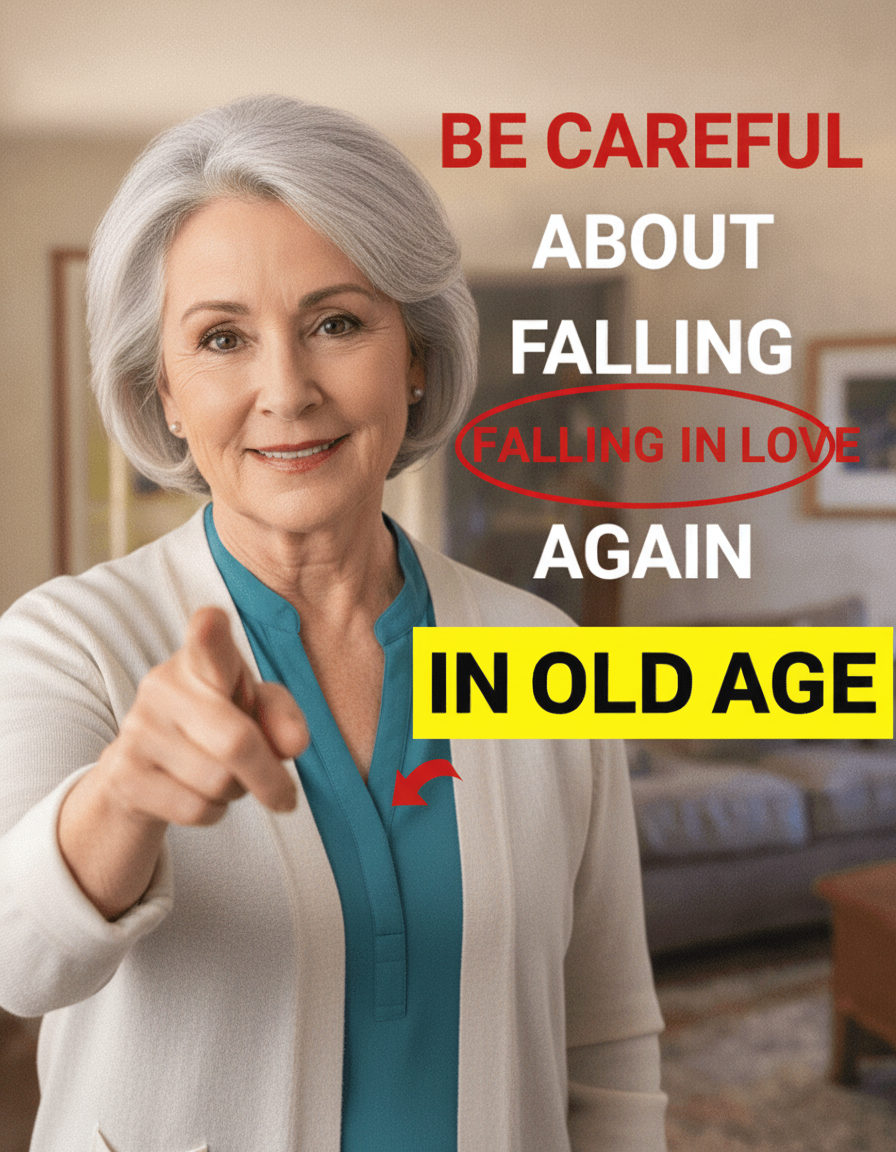
Introducing a new romantic partner to your existing family structure can evoke a spectrum of reactions, ranging from genuine delight to profound apprehension. Adult children, in particular, often harbor concerns about their parent’s vulnerability, fearing potential exploitation or disruptions to long-standing family traditions and inheritance plans. This familial tension is far from uncommon; an AARP survey revealed that over half of seniors encounter some form of family pushback regarding new relationships. Siblings, too, might question motives, adding an unnecessary layer of stress to what should ideally be a joyful period.
Crucially, these reactions frequently stem from a place of deep love and protectiveness, rather than outright opposition. Addressing these concerns directly and empathetically can transform potential conflicts into constructive and supportive dialogues. Encourage regular, open family meetings where everyone feels empowered to share their perspectives respectfully. This strategy not only fosters mutual understanding but also unequivocally reinforces your personal autonomy and independence in choosing a life partner.
Cognitive and Judgment Considerations in Mature Love
With advancing age, subtle cognitive shifts can influence decision-making processes, necessitating a degree of vigilance when entering new romantic relationships. Early changes in cognitive function, as highlighted by studies from the National Institute on Aging, might subtly alter how individuals perceive intentions or assess risks. A charismatic partner might appear flawless, yet impaired judgment could lead to overlooking critical red flags. Engaging trusted friends or family members provides an invaluable external perspective, offering an objective sounding board.
Moreover, proactive mental health engagement, such as participating in stimulating puzzles, engaging in continuous learning, or maintaining active social connections, significantly supports clear thinking and robust decision-making. Here’s a concise checklist to help maintain sharp judgment:
- Pause Before Deciding: If a decision feels rushed or pressured, take a deliberate step back to reflect and gather more information.
- Seek Impartial Advice: For significant commitments, solicit input from unbiased financial, legal, or personal advisors.
- Cultivate Mental Agility: Regularly engage in brain-boosting hobbies and activities to keep your mind sharp and responsive.
By integrating these habits into your life, you can enhance your cognitive resilience and ensure that decisions in your later-life relationships are made with clarity and confidence.
Embracing Love Wisely: A Path to Enriched Golden Years
While falling in love after 60 presents a unique set of challenges—spanning emotional vulnerability, financial complexities, family dynamics, and cognitive considerations—these hurdles are not insurmountable. By approaching new relationships with awareness, proactive planning, and open communication, seniors can navigate these waters successfully. The ‘surprising twist’ is that by understanding and strategically addressing these potential pitfalls, you not only protect yourself but also unlock the profound potential for deeper connection, companionship, and joy. Embracing love wisely in your golden years can indeed lead to a richer, more fulfilling life, proving that true romance knows no age limits when approached with foresight and care.