 By admin
 In a world saturated with health information, it’s easy to feel overwhelmed by alarming headlines proclaiming certain foods “feed cancer cells.” This can understandably lead to confusion and anxiety, especially when confronted with the idea that everyday dietary choices might subtly impact your long-term health. However, the science of nutrition is far more nuanced and reassuring than sensationalized claims often suggest. The truth is, consistent, modest adjustments to your diet can yield significant health benefits over time.
This comprehensive guide aims to demystify the connection between diet and cancer risk. We will explore five prevalent eating habits that research indicates may contribute to an elevated risk, and conclude with a practical, fear-free framework designed to help you construct a more health-conscious plate every day.
Understanding the Link Between Diet and Cancer Risk
Before we delve into specific dietary considerations, it’s crucial to clarify a common misconception. All cells within your body, including cancerous ones, require nutrients such as glucose, fats, and proteins to function and grow. Cancer cells are not selectively “fed” by a single, isolated ingredient. Rather, scientific studies indicate that specific long-term dietary patterns can foster an internal bodily environment conducive to conditions like chronic inflammation, insulin resistance, or unhealthy weight gain – all of which are established factors linked to an increased risk of various cancers.
Leading authorities in cancer research, such as the American Institute for Cancer Research (AICR) and the World Cancer Research Fund (WCRF), consistently emphasize that cumulative dietary habits hold far greater significance than the consumption of any singular food item. The core message here is not to incite fear, but to empower you with knowledge about broader dietary patterns and their potential impact on your health.
1. Excessive Added Sugars and Refined Carbohydrates
Foods and beverages laden with added sugars and refined carbohydrates – think sodas, pastries, white bread, and many processed snacks – are ubiquitous and often consumed in excess. These items cause a rapid surge in blood sugar, subsequently triggering a significant insulin response. The concern? Persistently elevated insulin levels have been observed in some research to correlate with a higher risk for specific cancer types.
Furthermore, a diet rich in sugars and refined carbs frequently contributes to weight gain. The Centers for Disease Control and Prevention (CDC) highlights that surplus body fat is a known risk factor for at least 13 different forms of cancer. Beyond this, these less nutritious options often supplant fiber-rich whole foods, which are crucial for maintaining optimal digestive health and offering protective benefits against certain cancers.
Healthier Alternatives:
Rather than attempting an abrupt overhaul of your diet, focus on gradual, sustainable changes:
- Beverages: Opt for plain water, sparkling water with a squeeze of lemon, or unsweetened herbal teas instead of sugary drinks.
- Grains: Prioritize whole grains such as brown rice, quinoa, whole oats, or whole-wheat bread over their refined counterparts.
- Sweetness: Satisfy your sweet tooth with natural sources like fresh fruit rather than processed desserts and candies.
Remember, consistent small adjustments accumulate into significant long-term health improvements.
2. Processed and Excessive Red Meat Consumption
Processed meats, which include items like sausages, bacon, ham, and many deli meats, have been categorized by the World Health Organization (WHO) as Group 1 carcinogens, meaning there is convincing evidence they cause cancer, particularly when consumed regularly and in significant quantities. Similarly, frequent or large intake of red meat has been consistently linked to an elevated risk of colorectal cancer.
The underlying mechanisms involve compounds such as nitrates and heterocyclic amines (HCAs), which can form during the processing of meats or during high-temperature cooking (e.g., grilling, frying). These compounds have the potential to damage cellular DNA over time. It’s important to note that the recommendation isn’t necessarily to eliminate these foods entirely, but rather to focus on reducing their frequency and controlling portion sizes.
Comparison: Making Smarter Choices
| Food Type | Potential Concern | Better Everyday Choice |
|---|---|---|
| Processed meats (e.g., bacon, hot dogs) | Added nitrates, preservatives, increased cancer risk | Lean grilled poultry, fish, plant-based proteins (beans, lentils, tofu) |
| Large portions of red meat | High intake associated with colorectal cancer risk | Smaller, moderate portions of lean red meat, or alternative proteins like fish and tofu |
| Heavily charred meats | Harmful compounds (HCAs) formed from high heat | Prefer baking, steaming, stewing, or slow-cooking methods |
Embracing moderation and diversified protein sources is a highly effective strategy for reducing potential risks.
3. Ultra-Processed Foods Lacking Essential Nutrients
Ultra-processed foods (UPFs) are engineered products typically high in refined oils, added sugars, unhealthy fats, and artificial flavors, colors, or preservatives. Examples include many packaged snack cakes, sugary cereals, instant meals, and most fast-food items. Growing scientific evidence indicates that diets rich in UPFs may contribute to an elevated overall cancer risk. This could be attributed to several factors: their generally poor nutritional profile, the presence of various additives, and their strong association with weight gain and obesity.
Furthermore, UPFs are often deficient in crucial components like dietary fiber, antioxidants, and beneficial phytonutrients. These natural compounds play a vital role in protecting cells from oxidative stress and inflammation, processes that can contribute to cancer development.
Practical Steps for Reducing UPF Intake:
- Scrutinize Ingredient Labels: Develop a habit of reading ingredient lists. If a product contains numerous unrecognizable ingredients or a long list of additives, consider opting for a simpler, more natural alternative.
- Prioritize Vegetables: Strive to make vegetables the cornerstone of your meals. Aim to fill at least half of your plate with a variety of colorful vegetables at both lunch and dinner.
- Embrace Home Cooking: Dedicate time to cooking at home using fresh, whole ingredients at least a few times each week. This empowers you to control what goes into your food.
Remember, making consistent, small improvements to your eating habits is more impactful than striving for unattainable perfection.
4. Excessive Alcohol Consumption
Alcohol is a well-established carcinogen, meaning it directly contributes to cancer development. Its consumption has been definitively linked to an increased risk of several cancer types, including those affecting the breast, liver, mouth, throat, esophagus, and colon/rectum. When the body metabolizes alcohol, it produces a toxic chemical called acetaldehyde, which can damage DNA and prevent cells from repairing this damage, thereby increasing cancer risk.
The scientific consensus is clear: when it comes to alcohol and cancer prevention, less is truly more. There is no definitively safe level of alcohol consumption regarding cancer risk, and even moderate drinking may carry some level of risk, which can vary based on individual factors and the type of cancer. For individuals who choose to drink, it’s advised to do so in strict moderation, adhering to national guidelines (e.g., up to one drink per day for women and up to two drinks per day for men).
Mindful Choices Regarding Alcohol:
- Reduce Frequency: Consider having alcohol-free days each week.
- Limit Portions: Stick to recommended serving sizes if you do choose to drink.
- Explore Alternatives: Discover a wide array of delicious non-alcoholic beverages, such as mocktails, sparkling water with fruit, or herbal infusions.
- Consult a Professional: If you find it challenging to reduce alcohol intake, speaking with a healthcare provider can offer valuable support and strategies.
Building a Smarter Plate: A Fear-Free Framework for Cancer Prevention
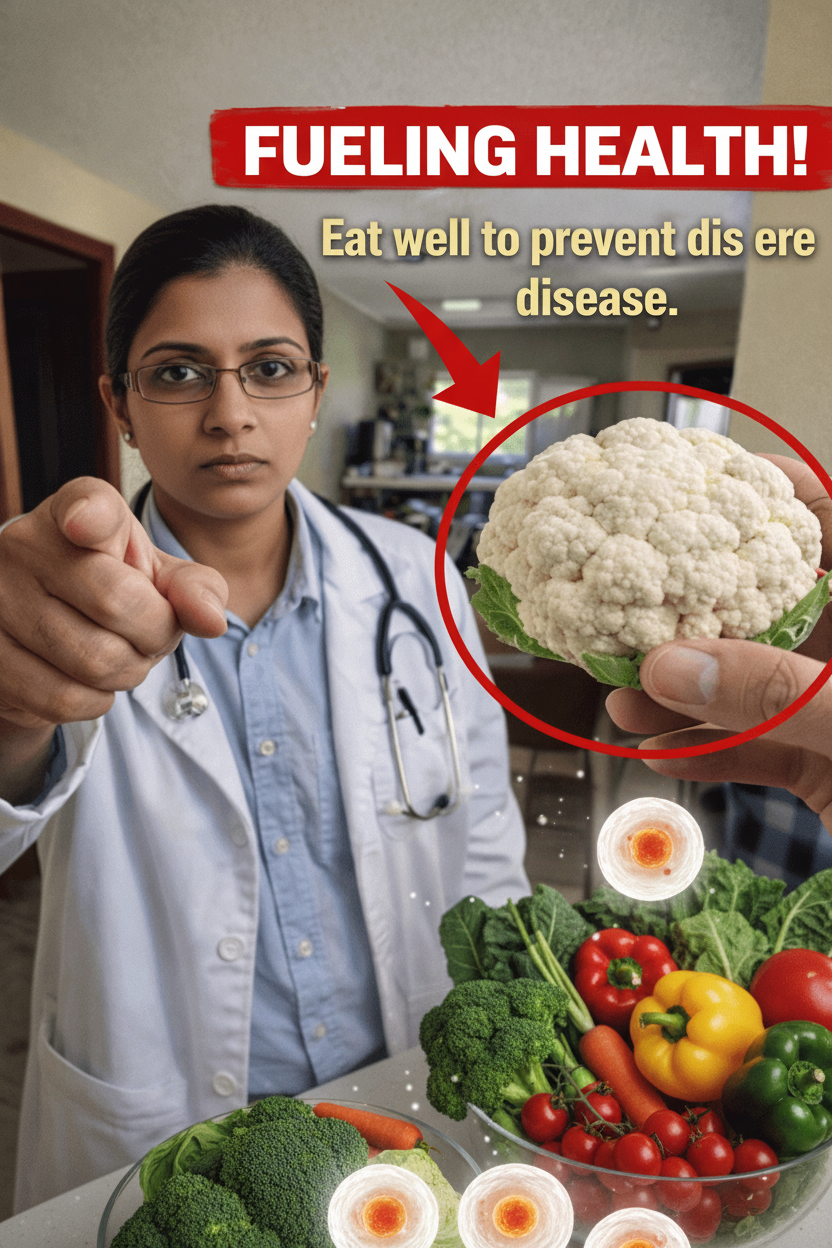
Navigating the complexities of diet and disease can feel daunting, but the overarching message for cancer prevention is one of empowerment through informed choices. Instead of fixating on individual “bad” foods, shift your focus to cultivating a holistic dietary pattern.
Here’s a simple framework to guide your everyday eating habits:
- Embrace Whole, Plant-Based Foods: Make fruits, vegetables, whole grains, legumes, nuts, and seeds the foundation of your diet. These foods are rich in fiber, vitamins, minerals, and antioxidants that protect your cells.
- Prioritize Lean Proteins and Healthy Fats: Opt for lean protein sources like fish, poultry, and plant-based options. Incorporate healthy fats from avocados, olive oil, and nuts.
- Limit Processed Items: Significantly reduce your intake of ultra-processed foods, added sugars, refined carbohydrates, and processed meats.
- Practice Portion Control and Mindful Eating: Pay attention to hunger and fullness cues. Avoid overeating, which contributes to weight gain – a significant cancer risk factor.
- Stay Hydrated: Choose water as your primary beverage.
By consistently making these conscious choices, you’re not just avoiding potential risks; you’re actively building a resilient body, supporting cellular health, and significantly enhancing your overall well-being. Small, consistent steps truly lead to profound, lasting health benefits.