 By admin
 Navigating Skin Tags: Effective Home Remedies, Expert Insights, and Safe Management Strategies
Skin tags, those common, small, and soft fleshy growths, frequently emerge in friction-prone areas such as the neck, armpits, or eyelids. While medically benign, many individuals find these skin appendages bothersome, either due to their cosmetic impact or because they snag on jewelry and clothing. Their unexpected appearance, particularly in prominent locations or when they proliferate, often prompts a search for convenient at-home solutions using readily available items. This comprehensive guide aims to demystify popular natural remedies, including household staples like petroleum jelly and baking soda, by examining why people turn to them, what the scientific evidence truly indicates, and the safest practices for managing skin tags from the comfort of your home. Our goal is to empower you with informed choices, minimizing risks and aligning with expert recommendations for optimal skin health.
What Exactly Are Skin Tags and Why Do They Appear?
Skin tags, medically known as acrochordons, are small, non-cancerous (benign) outgrowths of skin. They typically appear as flesh-colored or slightly darker bumps, often attached to the body by a slender stalk. These common growths tend to develop in areas where skin rubs against skin or clothing, such as the neck, groin, underarms, or around the eyelids. Research indicates that skin tags are remarkably prevalent, affecting up to half of all adults at some point in their lives. While they pose no health risk, factors like aging, pregnancy, certain body weight patterns, and genetic predisposition significantly increase their likelihood of development. Although generally painless, repeated friction can sometimes lead to irritation or discomfort.
Exploring Popular Home Remedies for Skin Tag Management
Many individuals are drawn to natural, accessible solutions found in their pantries, hoping to gently dry out or diminish skin tags over time. A frequently discussed approach involves creating a paste from common household ingredients. However, it’s crucial to understand the limitations of these methods.
-
Baking Soda & Castor Oil Paste
One widely circulated remedy suggests mixing baking soda, known for its mild abrasive and drying properties, with a natural oil like castor oil to form a paste. Proponents advocate applying this mixture directly to the skin tag, often covering it with a bandage overnight, with the expectation that the tag will gradually dry and fall off. While anecdotal stories abound, robust scientific evidence supporting the rapid or reliable efficacy of this specific combination for skin tag removal is largely absent.
-
The Role of Vaseline (Petroleum Jelly)
Petroleum jelly, commonly known as Vaseline, is another staple often mentioned in discussions about skin tag care. Its primary function is as a highly effective skin protectant, creating a barrier that locks in moisture and shields the skin from external irritants. Some individuals apply a thin layer of Vaseline around a skin tag before using other topical treatments, aiming to protect the surrounding healthy skin from potential dryness or irritation. However, it’s important to clarify that Vaseline itself does not possess properties to dry out, shrink, or remove skin tags. Its benefit lies solely in its protective and soothing capabilities.
It’s vital to manage expectations: the notion of achieving “one-night” results from any home-based mixture is generally unrealistic and can be misleading. Any noticeable changes, if they occur at all, typically require consistent application over several days or even weeks.
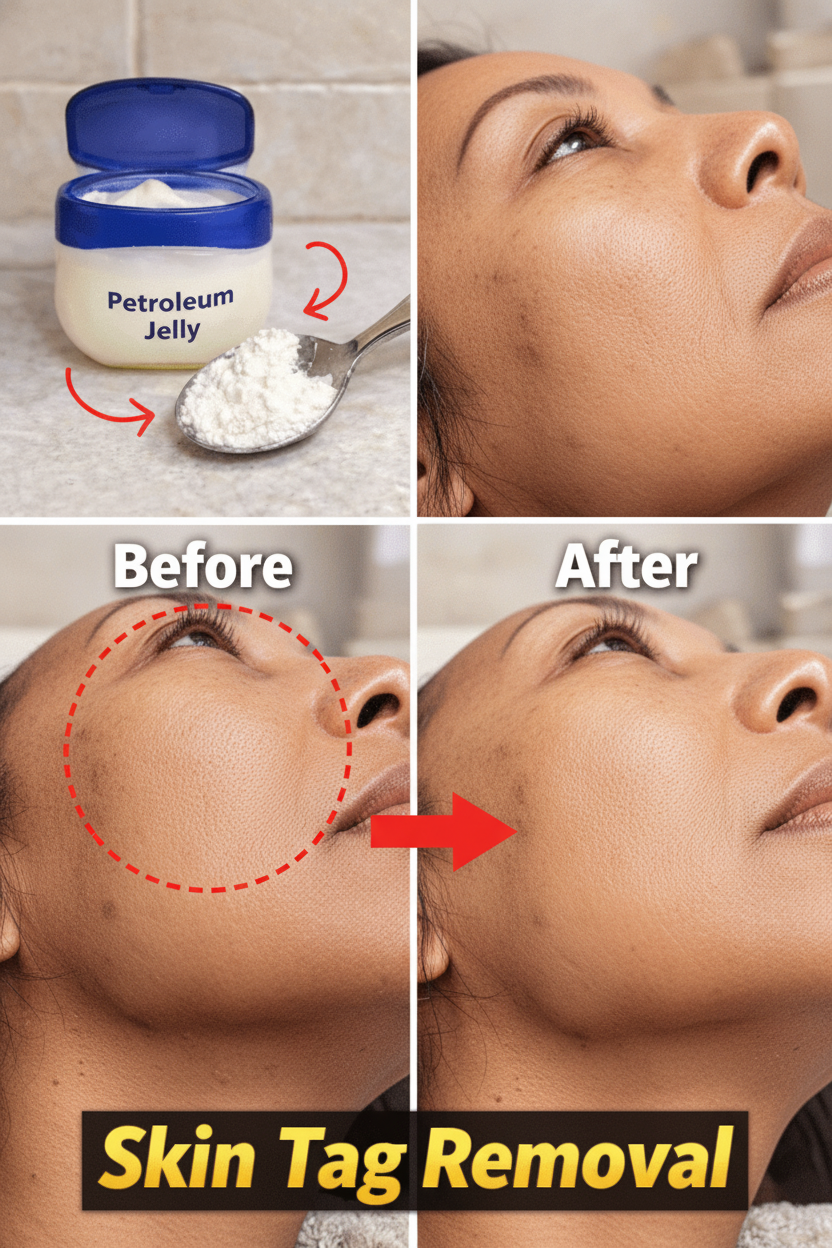
What the Evidence and Experts Say About Natural Approaches
Insights from reputable health organizations and dermatological experts, such as those featured on Healthline and various dermatology resources, consistently highlight a critical point: most at-home drying methods for skin tags lack strong clinical validation. While the appeal of a simple, natural fix is understandable, relying solely on unproven remedies can lead to suboptimal outcomes.
Furthermore, applying drying agents or abrasive substances to the skin can sometimes cause unwanted side effects. These may include localized redness, discomfort, excessive dryness, or increased skin sensitivity in the treated area. Prioritizing safety and gentle care over aggressive, unverified methods is paramount. This doesn’t negate the value of careful, low-risk practices, but rather encourages a realistic perspective on what home care can achieve.
A Gentle Home Care Routine to Consider for Skin Tags
If you’re inclined to cautiously explore simple, natural applications for skin tags, here’s a step-by-step approach focused on observation and minimizing risk:
- Cleanse Thoroughly: Begin by gently washing the affected area with mild soap and water, then pat it completely dry.
- Prepare the Paste: Mix a small quantity of baking soda with just a few drops of a natural oil, such as castor oil (if available), to create a thick, manageable paste. A 1:1 ratio is a good starting point for consistency.
- Precise Application: Apply a tiny dab of the paste directly onto the skin tag itself, taking care to avoid spreading it onto the surrounding healthy skin.
- Cover (Optional): If desired, cover the treated skin tag lightly with a breathable bandage. Allow the paste to remain on for several hours or even overnight.
- Rinse & Moisturize: In the morning, gently rinse off the paste. Follow up by moisturizing the surrounding skin with a protective balm like Vaseline to keep it soft and hydrated.
- Monitor Progress: Repeat this routine daily or every other day, closely observing for any changes in the skin tag or any signs of discomfort.
- Crucial Precaution: Always perform a patch test on a small, inconspicuous area of skin first to check for any sensitivity or adverse reactions. Discontinue use immediately if irritation occurs.
Essential Tips for Safer Skin Tag Management at Home
When managing skin tags from home, adherence to safe practices is crucial to prevent complications and ensure the best possible outcome:
- Protect Adjacent Skin: Always apply a thin layer of petroleum jelly (Vaseline) around the base of the skin tag before any other application. This creates a protective barrier, preventing potential dryness or irritation from spreading to healthy skin.
- Embrace Patience: Understand that any gradual drying or reduction of a skin tag through home remedies requires consistent application over an extended period—typically days or weeks, not just a few hours. Instant results are not realistic.
- Avoid Aggressive Methods: Never attempt to cut, tie off tightly with string, or apply harsh acids to skin tags. These methods carry significant risks, including bleeding, infection, scarring, and potential nerve damage.
- Monitor Closely: Pay close attention to your skin tags. If a tag changes color, begins to grow rapidly, becomes painful, or shows any signs of infection (like redness, swelling, or pus), it’s a clear signal to stop home treatment and seek professional medical advice immediately.
While home remedies can be appealing for their accessibility, prioritizing safety and realistic expectations is key. For persistent, bothersome, or concerning skin tags, consulting a dermatologist or healthcare professional remains the safest and most effective path to diagnosis and removal.
”
}
“`