 By admin
 Nipah Virus: Unpacking Symptoms, Transmission, and Essential Prevention Strategies
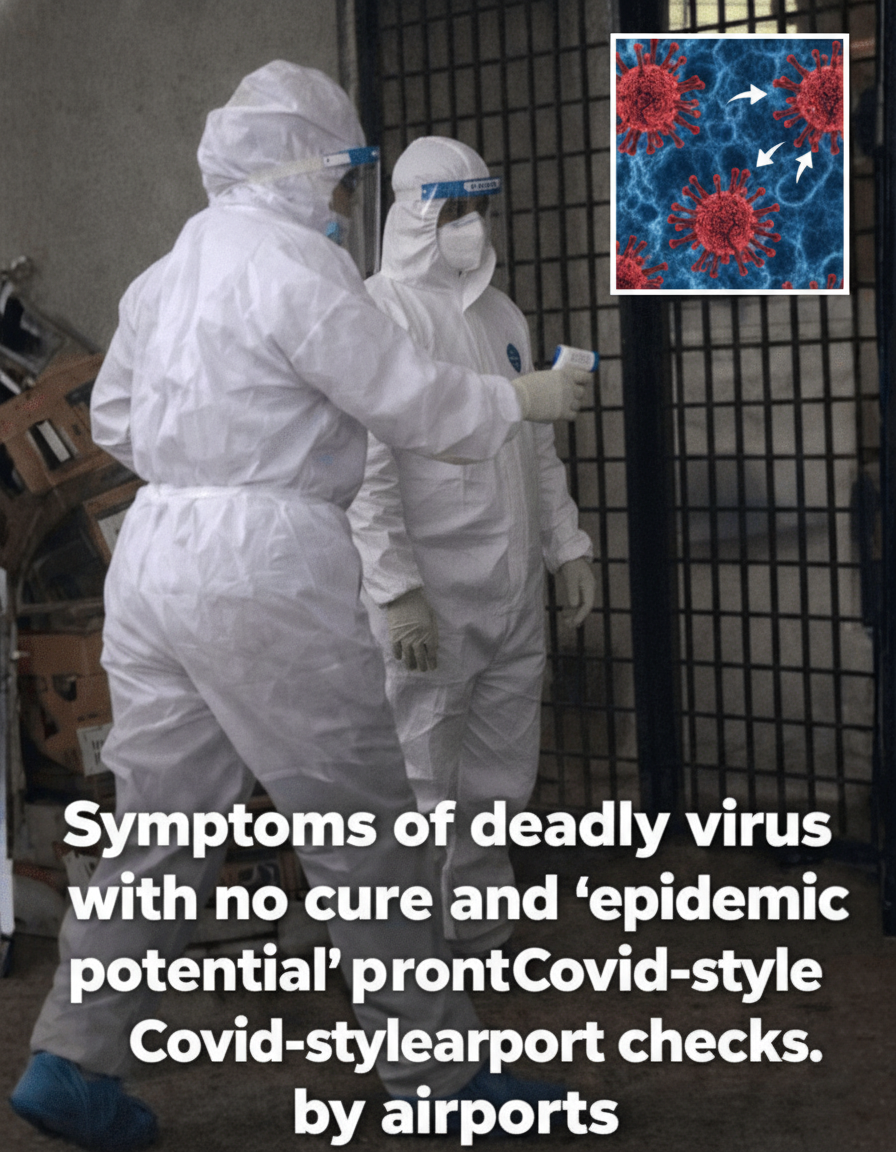
Recent developments in West Bengal, India, have brought the Nipah virus (NiV) back into the public health spotlight. A small cluster of cases has spurred rapid responses from health authorities and led to heightened screening protocols at some Asian airports, echoing measures from previous pandemics. This formidable zoonotic virus, predominantly harbored by fruit bats, justifiably causes apprehension given its severe potential and the current absence of specific vaccines or antiviral treatments. Although outbreaks are typically confined to specific regions in South and Southeast Asia, a well-informed public is crucial for mitigating undue alarm and fostering proactive health behaviors. This comprehensive guide will delve into insights from leading health organizations like the WHO and CDC, covering how to identify early signs, understand its transmission pathways, and implement practical strategies to minimize exposure risks—including a simple, yet impactful, daily habit for broader infection control.
Understanding Nipah Virus (NiV): A Global Health Concern
The Nipah virus (NiV) is a member of the Paramyxoviridae family, known for its capacity to transmit from animals to humans, classifying it as a zoonotic pathogen. Global health agencies recognize NiV as a priority agent due to its potential to trigger severe illness. The World Health Organization (WHO) highlights the significant mortality rates observed in past outbreaks, ranging from 40% to 75%, influenced by the quality of local healthcare and surveillance systems. While the U.S. Centers for Disease Control and Prevention (CDC) confirms there is currently no specific antiviral treatment, medical management focuses on supportive care to alleviate symptoms and enhance patient outcomes. Regarding the recent situation, Indian authorities have confirmed that the cluster of cases among healthcare workers in a private hospital in West Bengal has been effectively contained through diligent contact tracing and testing. Importantly, no widespread community transmission has been detected, nor have any cases been reported beyond the region. Nevertheless, international health organizations maintain vigilant surveillance over NiV, primarily due to its zoonotic origins and the documented potential for human-to-human transmission in contexts involving close personal contact.
Recognizing Early Signs and Symptoms of Nipah Infection
Nipah virus infection can initially present with symptoms similar to common respiratory ailments, underscoring the importance of informed awareness without inciting panic. The CDC indicates that the incubation period—the time from exposure to symptom onset—typically ranges from 4 to 14 days, though rarer instances of longer periods have been documented. Early indicators often include:
- Elevated body temperature (fever)
- Persistent headache
- Generalized muscle pain (myalgia)
- Nausea and vomiting
- Sore throat
Beyond these initial signs, some individuals may develop respiratory distress, manifesting as coughing, shortness of breath, or difficulty breathing. A critical concern with NiV is its potential for severe progression: the infection can advance to encephalitis, a dangerous inflammation of the brain. This severe neurological complication may lead to symptoms such as confusion, profound drowsiness, seizures, altered states of consciousness, and other grave health issues. Research and past outbreak analyses consistently highlight that timely identification and immediate medical intervention are paramount for effective supportive care. If you develop flu-like symptoms following potential exposure in a region where Nipah cases have occurred, it is imperative to seek professional medical assessment; self-diagnosis is strongly discouraged. Next, let’s explore the primary mechanisms through which this virus spreads to humans.
Nipah Virus Transmission: Understanding the Pathways
As a zoonotic disease, Nipah virus primarily originates in animal populations before crossing over to humans. Fruit bats, specifically Pteropus species (commonly known as flying foxes), are the natural hosts and reservoirs for NiV. These bats can shed the virus through their saliva, urine, and other bodily fluids without exhibiting symptoms themselves. The main routes of transmission to humans include:
- Direct Bat-to-Human Contact: This often occurs through the consumption of raw date palm sap that has been contaminated by infected bats, or by eating fruits that bats have partially consumed or contaminated.
- Animal-to-Human Transmission: In previous outbreaks, close contact with infected intermediate animal hosts, such as pigs, or other livestock that have been exposed to the virus, has facilitated transmission to humans.
- Human-to-Human Spread: While less common, human-to-human transmission can occur through direct, unprotected contact with the bodily fluids of an infected individual. This risk is notably higher in healthcare or caregiving environments where close interaction is unavoidable. However, sustained community transmission of NiV remains infrequent.
The World Health Organization underscores the critical importance of preventing bats from accessing and contaminating human food sources, a strategy that has consistently demonstrated effectiveness in minimizing spillover events in regions where the virus is endemic. To further contextualize the risks, let’s briefly compare Nipah with other common respiratory illnesses.
Nipah Virus in Context: A Comparison with Common Respiratory Illnesses
To help distinguish Nipah virus from more frequently encountered respiratory infections, here is a concise overview:
- Incubation Period: Nipah typically ranges from 4 to 14 days (with rare instances extending beyond this); the common flu usually presents within 1 to 4 days; COVID-19’s incubation period is generally 2 to 14 days.
- Initial Symptoms: Nipah often begins with fever, headache, sore throat, and vomiting. The common flu shares similar initial symptoms but frequently has a more abrupt onset.
- Severe Progression: A distinguishing and concerning feature of Nipah is the potential for progression to encephalitis (brain inflammation). In contrast, severe cases of influenza or COVID-19 are more commonly associated with pneumonia, particularly in at-risk populations.
- Estimated Fatality Rate: Nipah outbreaks have reported fatality rates between 40% and 75%, significantly higher than those typically associated with common influenza or even COVID-19 (which varies widely by variant, age, and vaccination status).