 By admin
 Nourish Your Body: How Diet Impacts Organ Health and Smart Food Swaps for Wellness
In our fast-paced lives, it’s easy to indulge in delicious meals and snacks without fully considering their long-term effects on our internal systems. However, the cumulative impact of daily dietary choices—whether it’s an abundance of processed snacks, sugary beverages, or deep-fried delights—can place significant stress on our vital organs. Scientific studies consistently demonstrate that diets rich in specific components, such as excessive added sugars or unhealthy trans and saturated fats, are often linked to various chronic health issues. The encouraging news is that even minor, deliberate adjustments to your eating habits can profoundly enhance your overall health and vitality. This article will delve into common food types associated with potential risks to crucial organs and provide actionable advice to help you maintain optimal well-being. Stick with us until the end, as we unveil a remarkably simple yet powerful habit capable of safeguarding multiple organs simultaneously.
Understanding How Diet Influences Organ Health
Every bite we take is processed by our bodies, and over time, certain dietary patterns reveal clear impacts on our physiological functions. For example, consistently consuming excessive amounts of particular substances can overwork our body’s natural filtering mechanisms or trigger systemic inflammation. Leading health authorities, including the American Heart Association and numerous medical research publications, consistently emphasize the critical role of a well-balanced diet in maintaining the health of vital organs such as the heart, liver, and kidneys. Now, let’s explore these connections in detail, organ by organ, backed by scientific understanding.
Liver: Prioritize Moderation with Alcohol
The liver is a powerhouse organ, essential for detoxification, metabolism, and nutrient processing. Prolonged and heavy alcohol consumption is extensively documented by health organizations like the NHS and Mayo Clinic to lead to severe conditions such as fatty liver disease, alcoholic hepatitis, and cirrhosis. Even regular, moderate alcohol intake can incrementally burden this vital organ over many years.
Tips to support liver health:
- Adhere strictly to recommended alcohol consumption guidelines, or ideally, consider abstaining entirely.
- Emphasize a diet rich in whole, unprocessed foods, including abundant vegetables and lean protein sources.
- Ensure adequate hydration by consistently choosing water over sugary or alcoholic drinks.
Heart: Reduce Intake of Fried and Fatty Foods
Our cardiovascular system thrives on a balanced diet, yet deep-fried items and excessively greasy meals are frequently loaded with unhealthy trans and saturated fats. These fats are known culprits in elevating LDL (bad) cholesterol levels and promoting arterial plaque buildup, significantly increasing the risk of heart disease. Extensive research, including findings from the American Heart Association, consistently connects regular consumption of fried foods with heightened cardiovascular risks.
Actionable steps for a healthier heart:
- Whenever possible, choose healthier cooking methods such as baking, grilling, roasting, or steaming instead of deep-frying.
- Incorporate beneficial fats from sources like avocados, nuts, seeds, and olive oil, ensuring moderate portions.
- Become a savvy label reader to identify and avoid products containing hidden trans fats and excessive saturated fats.
Brain: Moderate Your Sugar Consumption
The brain, our body’s control center, requires a consistent and stable energy supply to function optimally. However, excessive intake of added sugars can disrupt this delicate balance, leading to issues with concentration, mood fluctuations, and potentially long-term cognitive decline. Numerous studies, including research highlighted in Harvard publications and comprehensive meta-analyses, have linked diets high in sugar to detrimental cognitive changes and an elevated risk of experiencing “brain fog” or memory issues.
Practical strategies for brain health:
- Replace refined sugary snacks with natural alternatives like fresh fruits, a handful of nuts, or seeds.
- Opt for plain water or unsweetened herbal teas instead of sugar-laden sodas, fruit juices, and energy drinks.
- Construct meals that include ample fiber-rich foods (e.g., whole grains, vegetables) to help stabilize blood sugar levels and provide sustained energy.
Kidneys: Control Your Sodium Intake
The kidneys play a crucial role in filtering waste and regulating fluid balance in the body. A diet consistently high in sodium, often found in processed and pre-packaged foods, can significantly elevate blood pressure. This increased pressure places considerable strain on the kidneys, impairing their ability to function effectively. Research from esteemed organizations like the National Kidney Foundation unequivocally demonstrates the direct correlation between excessive salt consumption and compromised kidney health, primarily due to its impact on fluid retention and blood vessel integrity.
Simple modifications for kidney support:
- Enhance the flavor of your meals using a variety of herbs, spices, lemon juice, or vinegar instead of relying on added salt.
- Prioritize fresh, whole foods over highly processed or packaged alternatives, which are typically loaded with hidden sodium.
- Strive to keep your daily sodium intake below 2,300 mg, with even lower targets recommended for individuals with specific health conditions.
Gut: Minimize Ultra-Processed Foods
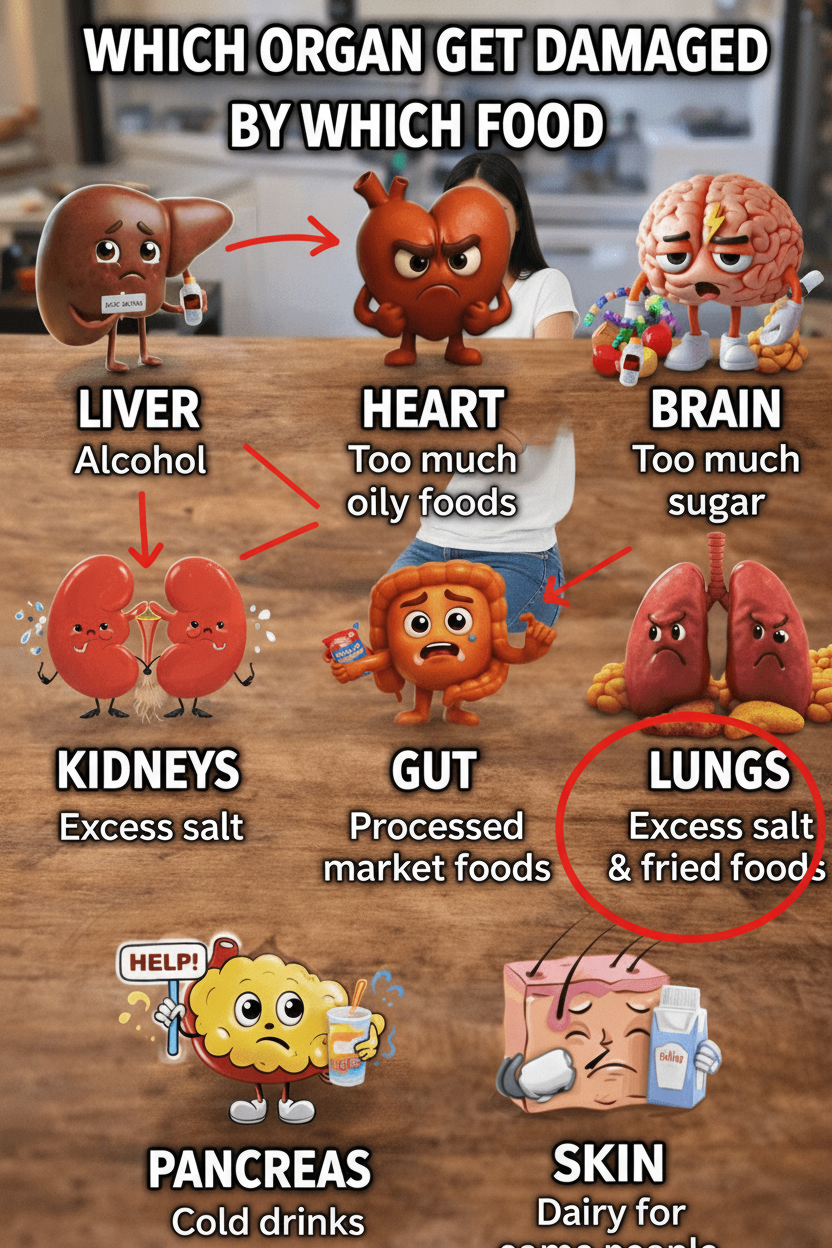
The health of our gut microbiome—the complex community of microorganisms residing in our digestive tract—is profoundly influenced by our diet. Ultra-processed foods, characterized by numerous additives, artificial ingredients, and a severe lack of natural fiber, can significantly disrupt this delicate ecosystem. This disruption often manifests as digestive discomfort, inflammation, and a host of other health issues. Recent comprehensive reviews in publications like The Lancet and extensive scientific studies firmly link these types of foods to adverse shifts in the gut microbiome composition and function.
Habits for a thriving gut:
- Substantially increase your consumption of whole grains, fresh fruits, and a wide variety of vegetables to boost fiber intake.
- Incorporate fermented foods such as yogurt, kefir, sauerkraut, or kimchi (if tolerated) to introduce beneficial probiotics.
- Drastically reduce your reliance on ready-made meals, fast food, and other highly processed convenience items.
Lungs: Be Mindful of Sodium and Fried Food Intake
While often overlooked in dietary discussions, the health of our respiratory system can also be influenced by what we eat. Elevated sodium levels can contribute to fluid retention throughout the body, potentially impacting lung capacity and comfort. Similarly, a diet high in fried foods introduces inflammatory compounds that may exacerbate respiratory issues, particularly for individuals with conditions such as asthma. Certain health experts highlight these dietary factors as contributors to increased respiratory strain.
Supportive dietary tips for lung health:
- Maintain a healthy and balanced weight through a nutritious diet, as excess weight can strain the respiratory system.
- Steer clear of heavy, greasy meals, especially before engaging in physical activity or sleep, to prevent digestive discomfort that can impact breathing.
- Prioritize anti-inflammatory foods, including colorful berries, leafy greens, and omega-3 rich fish, to support overall respiratory well-being.
Pancreas: Reconsider Sugary Beverages
The pancreas plays a vital role in regulating blood sugar by producing insulin. Consuming sugary cold drinks, such as sodas and sweetened juices, causes rapid spikes in blood glucose, forcing the pancreas to work overtime to release sufficient insulin. Over time, this constant demand can lead to pancreatic fatigue and an increased risk of developing insulin resistance, a precursor to Type 2 diabetes, as substantiated by research from institutions like Harvard and numerous diabetes studies.
Simple adjustments for pancreatic health:
- Make plain water your primary beverage choice, or opt for unsweetened herbal teas and naturally infused water with fruits or vegetables.
- Reserve sugary drinks for very occasional treats rather than daily consumption.
- Choose whole fresh fruit, which provides beneficial fiber, instead of fruit juices that often contain concentrated sugars without the fiber.
Skin: Evaluate Dairy Intake for Certain Individuals
While not universally applicable, for some individuals, dairy products have been implicated in triggering skin issues, particularly acne breakouts. This sensitivity is often attributed to hormones present in dairy or individual digestive sensitivities. Reviews published in dermatology journals have noted correlations between dairy consumption and increased acne severity in specific populations, though it’s crucial to remember that this link is not observed in everyone.
What to try for clearer skin:
- If you suspect dairy might be affecting your skin, consider an elimination diet under professional guidance to observe any changes.
- Explore dairy alternatives like almond milk, oat milk, or soy milk, which can be fortified with essential nutrients.
- Focus on a diet rich in antioxidants and anti-inflammatory foods, such as fruits, vegetables, and healthy fats, to promote overall skin health.
The Surprising Habit That Protects Multiple Organs
We’ve explored how specific foods can impact individual organs, but there’s one incredibly simple habit that offers profound benefits across your entire body: Prioritizing consistent and adequate hydration.
Often underestimated, drinking enough water is fundamental for virtually every bodily function. It aids the kidneys in filtering waste, supports the liver’s detoxification processes, helps maintain blood volume for heart health, ensures proper nutrient delivery to the brain, keeps the gut moving smoothly, and even supports skin elasticity. Dehydration, on the other hand, can stress all these systems, making them work harder and less efficiently.
Make it a point to drink water regularly throughout the day, even before you feel thirsty. Keep a water bottle handy, and choose water over other beverages whenever possible. This small, consistent habit is a powerful, low-cost investment in your long-term organ health and overall vitality.
By making informed food choices and embracing simple, healthy habits, you empower your body to thrive. Start today with these practical steps toward a healthier, more vibrant you!
”
}
“`