 By admin
 Over time, many individuals observe the emergence of visible veins in their legs, frequently coupled with sensations of heaviness, fatigue, or mild unease, particularly after extended periods of standing or sitting. Such developments can complicate daily tasks and diminish self-assurance, especially during warmer seasons or when opting for specific attire. Fortunately, integrating proactive daily habits—such as regular physical activity, a diet rich in vein-supportive foods, and minor lifestyle adjustments—can significantly enhance circulation and foster overall leg comfort. Could everyday kitchen staples offer a surprising boost to your vascular well-being? Continue reading to uncover practical, natural strategies for nurturing your vein health, including how common ingredients like onion and garlic align with evidence-based approaches.
Understanding Varicose Veins and Why Circulation Matters
Varicose veins manifest when the veins, predominantly in the legs, swell and become tortuous. This condition arises from compromised vein walls and inefficient valves that struggle to propel blood upwards against gravity, back towards the heart. The consequence is often blood accumulation, leading to the characteristic prominent, bulging appearance, accompanied by feelings of soreness or swelling. Scientific inquiry indicates that suboptimal circulation is a key factor in these problems, whereas adopting practices that foster consistent blood flow can alleviate discomfort. Furthermore, research underscores the crucial role of anti-inflammatory and antioxidant-rich diets in bolstering vascular health by mitigating oxidative stress and enhancing endothelial function – the vital inner lining of our blood vessels.
The Role of Flavonoids and Sulfur Compounds in Vein Support
Specific phytochemicals derived from plants are gaining recognition for their potential to bolster circulatory health. Flavonoids, abundant in a wide array of fruits and vegetables, are well-regarded for their capacity to fortify blood vessel integrity and optimize blood flow. Concurrently, sulfur-rich compounds, characteristic of allium vegetables, provide powerful antioxidant advantages. Onions and garlic, both members of the Allium genus, are notable sources of quercetin (in onions) and allicin (in garlic). Emerging preclinical investigations propose that these compounds could play a role in diminishing inflammation and enhancing vascular tone. For example, animal studies have demonstrated their ability to mitigate oxidative stress and vascular inflammation in contexts of metabolic strain. Although direct human clinical trials focusing solely on varicose veins remain scarce, a wider body of evidence pertaining to general cardiovascular wellness implies that regular consumption of these foods may positively impact overall circulatory efficiency.
Everyday Habits to Encourage Better Leg Circulation
Beyond dietary considerations, integrating straightforward lifestyle modifications can profoundly influence the comfort and health of your legs. Here are some practical measures, consistent with widely accepted health guidelines:
- Engage in Low-Impact Physical Activity: Dedicate 30 minutes most days to activities like walking, swimming, or cycling. These exercises effectively stimulate your calf muscles, which function as a vital natural pump to facilitate blood flow back towards the heart.
- Regular Leg Elevation: Elevate your legs above heart level for 15–20 minutes several times daily. This simple practice helps to counteract blood pooling and alleviate feelings of heaviness.
- Consider Compression Garments: If appropriate for your situation, graduated compression socks can offer gentle yet effective support, significantly enhancing venous return. (Always consult a healthcare professional to ensure the correct fit and type).
- Achieve and Maintain a Healthy Weight: Excess body weight can exert additional pressure on your veins. Implementing gradual, sustainable changes through a balanced diet and consistent activity can help reduce this burden.
- Minimize Prolonged Static Positions: Make a conscious effort to frequently change positions and incorporate brief walks to prevent blood stagnation, whether you are sitting or standing for extended periods.
How Onion and Garlic Can Fit Into Your Daily Routine
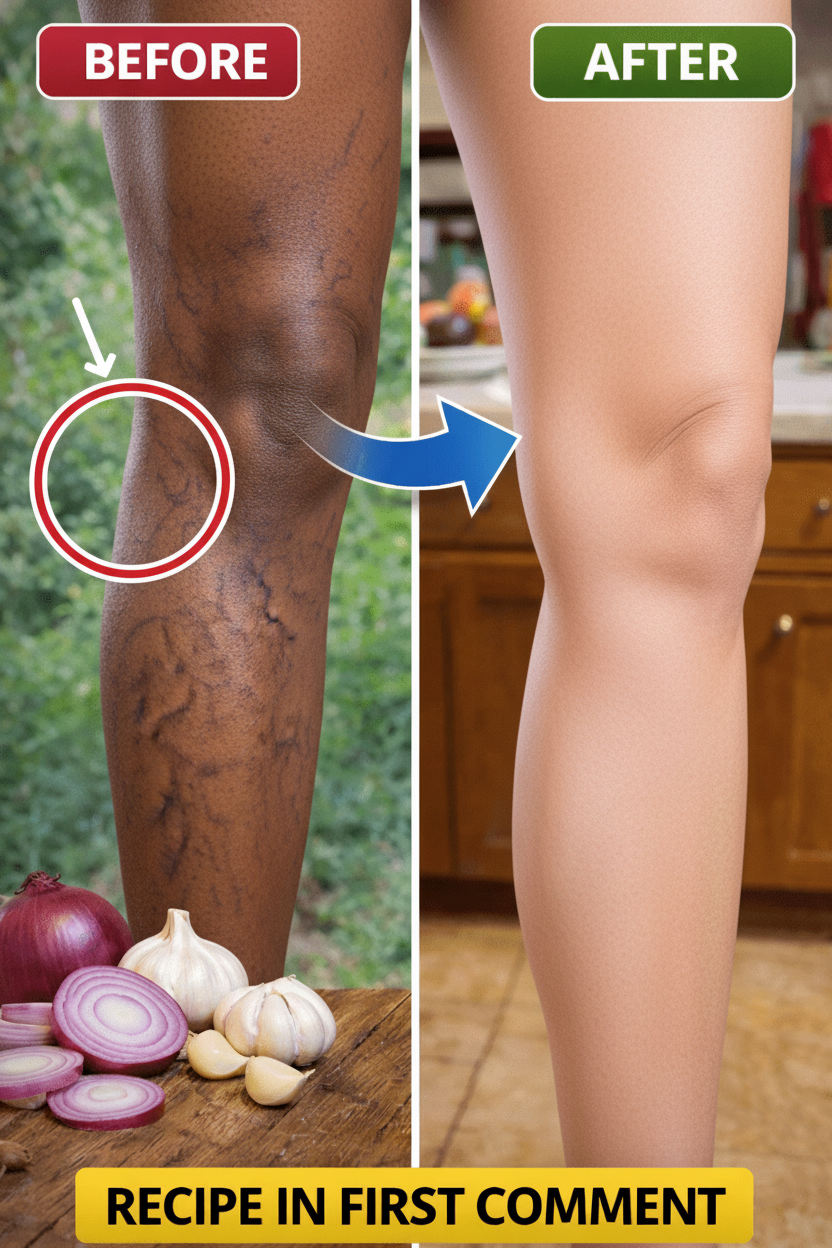
Incorporating onions and garlic into your daily meals is simple, providing beneficial compounds that naturally complement a circulation-supportive nutritional strategy.
- Quercetin from Onions: This powerful flavonoid is thought to assist in stabilizing capillary walls and mitigating inflammatory responses, a benefit highlighted in various reviews concerning natural vasoprotective substances.
- Allicin and Organosulfur Compounds in Garlic: These active components contribute to the synthesis of nitric oxide, a crucial molecule that promotes vessel relaxation and enhances efficient blood flow.
Preclinical investigations, including those utilizing fructose-fed models, have demonstrated that extracts derived from garlic and onion can significantly diminish oxidative markers and inflammatory processes within vascular tissues. While these ingredients are not presented as a standalone cure for varicose veins, their consistent inclusion in your diet can effectively augment other healthy lifestyle choices.
A Simple Way to Prepare and Use Onion and Garlic at Home
For those interested in exploring natural remedies, many consider homemade preparations for both topical application and dietary integration. Below is a gentle, straightforward method for creating an infused oil using these remarkable ingredients. (Remember to always perform a patch-test for potential skin sensitivity and consult a healthcare provider before embarking on any new health routines).
Basic Onion-Garlic Infused Oil for Gentle Massage
Begin by peeling and finely chopping one medium red onion and 4–5 cloves of garlic. Place these chopped ingredients into a small, clean jar, then completely cover them with approximately one cup of extra-virgin olive oil. Allow the mixture to infuse in a cool, dark environment for 7–10 days,