 By admin
 Many individuals are increasingly exploring natural avenues to support their overall health, particularly when confronted with significant challenges. Among the most pressing global health concerns today, cancer profoundly impacts millions, often bringing apprehension and a fervent search for supportive lifestyle choices. The emotional burden can be immense, as individuals navigate complex treatments while striving to maintain daily life and hope for positive long-term outcomes.
While it’s crucial to understand that no single food or plant can ever replace professional medical care, ongoing research into specific natural compounds offers compelling insights into how they might foster a healthier internal environment within the body. One such compound, derived from the humble olive tree (Olea europaea) and concentrated in its leaves, has garnered considerable attention in scientific laboratories for its promising properties.
What if a traditional, readily available plant component could play a complementary role in your daily wellness routine? Let’s delve deeper into olive leaf extract and explore what contemporary science suggests about its place in broader health discussions.
Understanding Olive Leaf Extract
Olive leaf extract originates from the very same tree that yields the olives and olive oil celebrated in Mediterranean cuisine. These leaves are exceptionally rich in polyphenols, with oleuropein standing out as the most prominent and potent compound. This naturally bitter-tasting substance is found in significantly higher concentrations within the leaves compared to the olive fruit or its oil.
Historically, olive leaves have been a staple in traditional Mediterranean wellness practices for centuries, valued for their perceived general health-promoting qualities. Today, modern processing techniques make these extracts readily available in various forms, including dietary supplements, herbal teas, and dried leaf preparations. Current research primarily focuses on elucidating how these diverse polyphenols interact with the human body at a fundamental cellular level.
Key Bioactive Compounds and Their Potential Benefits
The primary active constituents driving interest in olive leaf extract are oleuropein and its derivative, hydroxytyrosol. Numerous studies highlight their robust antioxidant capabilities. Antioxidants are vital compounds that help neutralize unstable molecules known as free radicals, which, if left unchecked, can contribute to oxidative stress and cellular damage over time.
Laboratory investigations, predominantly conducted using cell cultures (in vitro) and animal models (preclinical studies), have explored the multifaceted ways oleuropein may influence various biological processes. For example:
- It may influence cellular proliferation and growth pathways in specific experimental models.
- Some research indicates potential effects on inflammatory pathways, suggesting an anti-inflammatory role.
- Its strong antioxidant properties are believed to contribute significantly to overall cellular protection and health.
Important Note: It is crucial to emphasize that these findings are primarily derived from test-tube and preclinical research. Human clinical trials are still limited, and therefore, these results cannot yet be directly extrapolated or applied to human health outcomes without further extensive investigation.
What Scientific Research Reveals About Olive Leaf and Health
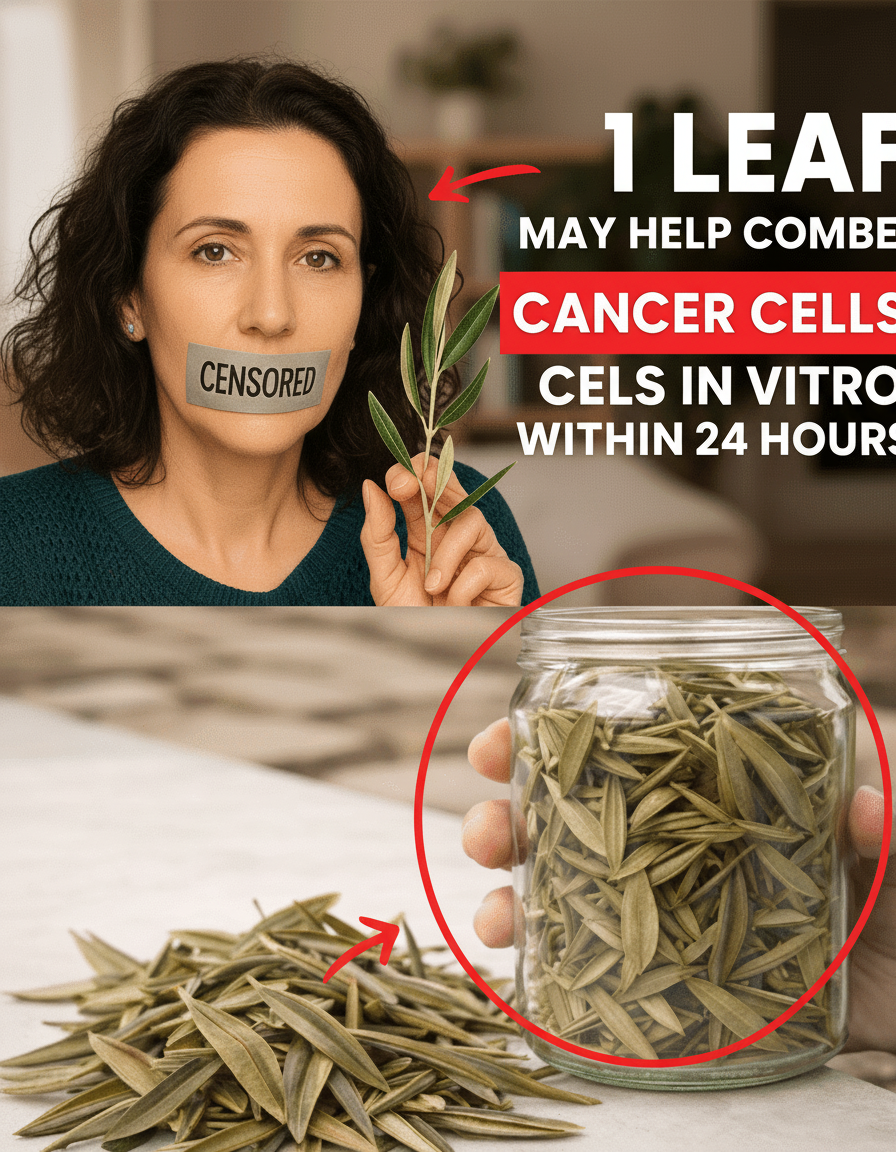
A growing body of lab-based studies has meticulously examined the effects of olive leaf extract and its components:
- Cellular Health: In various cell lines (including models of breast, ovarian, and colorectal cells), oleuropein has demonstrated the potential to modulate cell behavior. This includes promoting apoptosis (programmed cell death) in abnormal cells while often sparing healthy ones, as observed in some experimental conditions.
- Tumor Growth: Animal studies have suggested that olive leaf extract may contribute to slowing tumor growth in specific contexts. This effect is hypothesized to be linked to its ability to reduce inflammation or mitigate oxidative damage.
- Protective Effects: Comprehensive reviews underscore that polyphenols from olives, including those in olive leaf extract, offer protection against DNA damage and bolster the body’s natural anti-inflammatory responses.
Leading institutions like Memorial Sloan Kettering Cancer Center acknowledge that while lab results are indeed promising regarding potential anticancer properties, there is currently no robust human evidence to definitively prove that olive leaf extract can prevent or treat cancer in people. Further rigorous human research is unequivocally needed to substantiate these preliminary findings.
Beyond its potential impact on cellular health, olive leaf extract is also being investigated for other health benefits, including:
- Cardiovascular Support: Some studies propose a link between olive leaf consumption and improved blood pressure regulation, along with favorable lipid profiles.
- Immune and Antimicrobial Effects: It may offer support for the immune system and possess natural antimicrobial properties.
- Metabolic Health: Preliminary research suggests potential benefits for metabolic health.
It is vital to view these potential benefits as components of a holistic, healthy lifestyle, rather than standalone solutions or replacements for conventional medical treatments.
How to Safely Incorporate Olive Leaf Into Your Routine
If you’re considering adding olive leaf extract to your wellness regimen, it’s advisable to start cautiously and thoughtfully. Here’s a practical guide:
- Prioritize Quality Sources: Seek out standardized extracts that clearly state their oleuropein content (often 20% or higher). Always opt for reputable brands that provide third-party testing to ensure purity and potency.
- Explore Various Forms:
- Tea: Steep dried olive leaves in hot water for 5-10 minutes for a traditional infusion.
- Capsules: Typical doses range from 500-1000 mg daily, but always strictly adhere to the specific instructions provided on the product label.
- Tinctures: These liquid extracts offer flexibility and potentially easier dose adjustment.
- Begin with a Low Dose: Start with the lowest recommended dose to carefully monitor how your body responds and tolerates the supplement.
- Integrate Wisely: Olive leaf extract works best when paired with a balanced diet rich in whole fruits, a variety of vegetables, and healthy fats (such as those found in extra virgin olive oil).
- Track Your Experience: Pay attention to any noticeable changes in your energy levels, digestion, or overall well-being over a period of a few weeks.
Ultimately, consistency often yields greater long-term support than intense, sporadic use. Small, regular habits are frequently the most effective path to sustained wellness.
Olive Leaf Extract in Context: A Brief Comparison with Other Antioxidant-Rich Options
When considering natural health supplements, it’s helpful to understand how olive leaf extract compares to other well-known options. For instance, Green Tea, another widely consumed beverage, is celebrated for its high content of epigallocatechin gallate (EGCG). Both olive leaf extract (with oleuropein) and green tea (with EGCG) are valued for their significant antioxidant and potential anti-inflammatory properties, contributing to cellular protection. While olive leaf extract is often consumed as a supplement or a somewhat bitter tea, green tea is a ubiquitous daily beverage, making it incredibly accessible and well-researched for its broader metabolic and protective benefits.