 By admin
 Olive Leaf for Wellness: Separating Science from Viral Hype
It’s understandable to feel overwhelmed by the sheer volume of bold claims circulating online, particularly when they involve natural remedies supposedly capable of “destroying” serious diseases, often while medical professionals remain cautious. For individuals or their loved ones grappling with long-term health concerns, such promises can evoke a potent mix of hope and confusion.
In today’s digital landscape, distinguishing verifiable facts from compelling fiction has become increasingly challenging, especially as emotionally charged narratives and sensational headlines spread virally. However, a crucial nuance is often overlooked. By the end of this article, you will gain a clearer understanding of why the true potential of olive leaf may be more understated and practical than the dramatic social media posts suggest.
The Appeal of Viral Health Claims vs. Scientific Reality
We’ve all encountered them: a simple image of dried leaves, accompanied by an attention-grabbing caption, hinting that a natural “secret” is being withheld from the public. Yet, the reality of serious health conditions, including complex illnesses like cancer, is far more intricate. These conditions are influenced by a myriad of factors, including genetic predispositions, immune system responses, environmental exposures, and lifestyle choices. It’s imperative to understand that no single food or herbal remedy can ever replace evidence-based medical treatment.
That said, it’s also true that certain plant-based compounds have been extensively studied for their potential to support overall wellness. Olive leaf is indeed one such botanical. The critical distinction lies in how we frame the discussion. Instead of questioning whether it can eradicate disease, a more productive inquiry is: How can olive leaf extract responsibly integrate into a balanced, scientifically informed approach to health?
Let’s delve deeper into this.
What is Olive Leaf and Its Traditional Significance?
Olive leaf originates from the iconic olive tree, scientifically identified as Olea europaea. While the fruits (olives) and their oil are globally celebrated components of the Mediterranean diet, the leaves themselves boast a rich history of use in traditional herbal practices across various cultures. Historically, preparations like olive leaf tea and extracts were employed to foster:
- Robust immune function
- Enhanced general vitality and energy
- Support for cardiovascular wellness
- Increased intake of beneficial antioxidants
At the heart of much contemporary research is a powerful natural compound known as oleuropein. This polyphenol, abundant in olive leaves, is particularly recognized for its potent antioxidant properties, which is where its potential health benefits truly begin to unfold.
What Does Scientific Research Actually Reveal About Olive Leaf?
Let’s examine the scientific evidence surrounding olive leaf without exaggeration or hyperbole. Research indicates that olive leaf extract is rich in polyphenols, with oleuropein being a primary active component. These compounds have been observed to:
- Act as powerful antioxidants, helping to safeguard cells from the damaging effects of oxidative stress.
- Contribute to healthy inflammatory responses within the body.
- Positively influence markers associated with cardiovascular health.
- Support the normal functioning of the immune system.
It’s important to note that many early findings stem from laboratory studies, where olive leaf compounds are investigated in controlled cellular environments. While promising, these are foundational discoveries and do not signify that olive leaf can substitute for established medical therapies. This distinction is paramount: results observed in a petri dish or animal model are not equivalent to proven clinical effects in human beings. Definitive clinical outcomes necessitate extensive, meticulously designed human trials.
According to comprehensive reviews published in respected nutrition and phytotherapy journals, olive leaf extract shows promise in supporting overall wellness when integrated into a holistic, balanced lifestyle. However, it is consistently emphasized that it is not a standalone remedy for serious medical conditions.
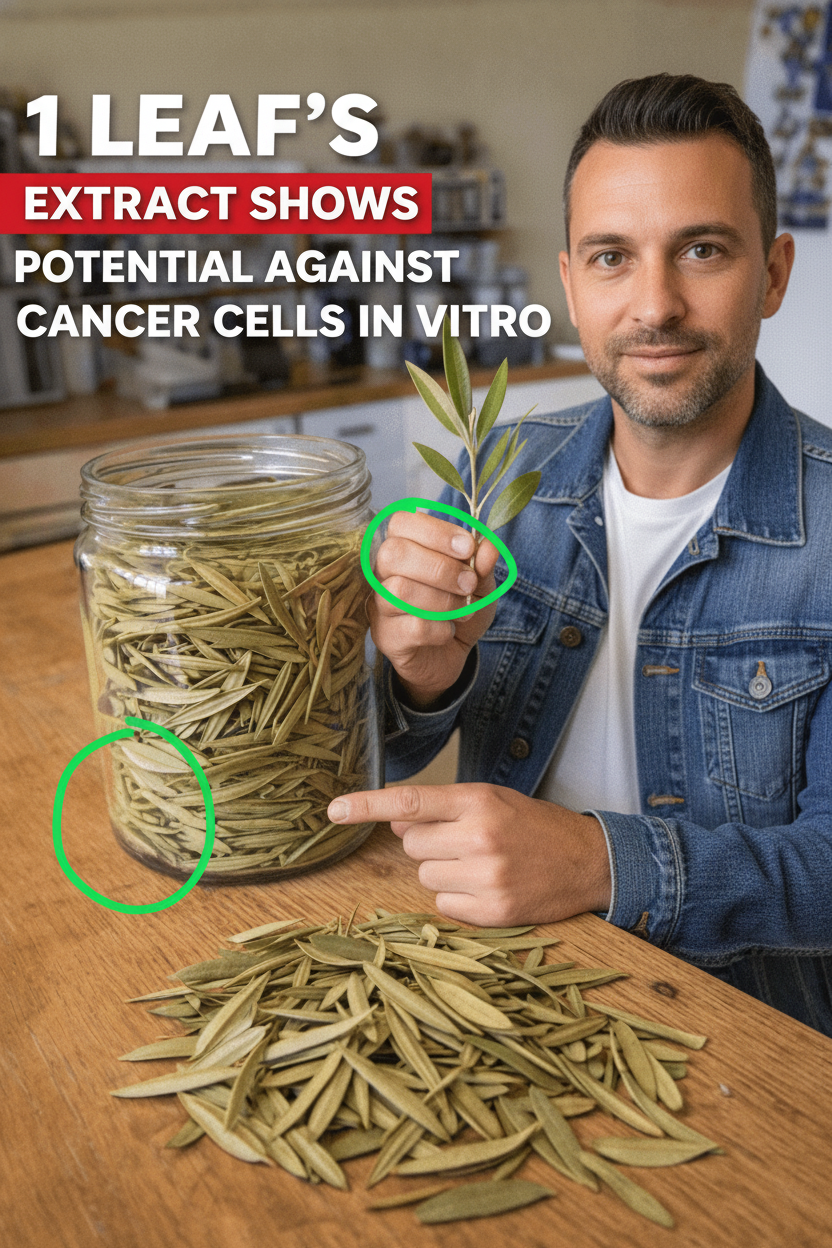
The core message remains clear: Olive leaf can be a valuable supplement for supporting health, but it unequivocally does not replace professional medical advice or treatment.
The Vital Role of Antioxidants in Daily Wellness
The term “antioxidants” is widely recognized, but what exactly do they do for our bodies? Our systems are in a constant battle against oxidative stress – a natural process exacerbated by metabolism, environmental pollutants, psychological stress, and other external factors. Over time, an excess of oxidative stress can detrimentally impact cellular health and function.
Antioxidants are crucial molecules that help to neutralize unstable compounds known as free radicals, thereby mitigating oxidative damage. A diet rich in antioxidants is fundamental for maintaining health, and many common foods are excellent sources, including:
- Fresh berries (blueberries, strawberries)
- Leafy green vegetables (spinach, kale)
- Various nuts and seeds
- Green tea
- Olive oil and, of course, olive leaf
Olive leaf offers just one pathway to boost antioxidant intake. Its benefits are maximized when combined with a nutrient-dense diet, consistent physical activity, adequate restorative sleep, and effective stress management techniques. Yet, there’s more to understand.
Olive Leaf Versus Olive Oil: Understanding the Key Differences
A common point of confusion arises between olive leaf and olive oil. While both originate from the same remarkable tree, their nutritional profiles and primary applications differ significantly. Here’s a straightforward comparison:
- Olive Oil:
- Rich in beneficial monounsaturated fats.
- Contains vitamin E and various polyphenols.
- Backed by strong scientific evidence for its role in supporting heart health.
- Olive Leaf Extract:
- Very low in fat content.
- Highly concentrated in oleuropein and other unique polyphenols.
- Primarily studied for its antioxidant and immune-supporting properties.
Both products contribute to overall wellness, but they are not interchangeable. The well-researched Mediterranean diet, which emphasizes olive oil, fresh vegetables, legumes, and whole grains, demonstrates robust evidence for long-term health advantages. Olive leaf supplements, by contrast, are considered complementary additions rather than foundational dietary elements.
Navigating Health Information: Why “Secret Cures” Are Misleading
The allure of a “secret cure” or a simple, miraculous remedy is powerful, especially when facing complex health challenges. However, such claims often come without credible scientific backing and can be dangerously misleading. They can foster false hope, encourage individuals to delay or abandon proven medical treatments, and ultimately jeopardize well-being.
True health and wellness are built upon a foundation of scientific understanding, professional medical guidance, and holistic lifestyle choices. While natural compounds like those found in olive leaf can play a supportive role, they should always be viewed within this broader context, never as a substitute for expert medical care. Always consult with a healthcare professional before making significant changes to your health regimen, especially when considering new supplements.
”
}
“`