 By admin
 Imagine waking up, and BAM! Your skin’s screaming for help, covered in angry, red welts that itch, sting, and burn like crazy. We’re talking about hives – those raised patches that swell up, play hide-and-seek all over your body, and leave you scratching non-stop, messing with your sleep and your entire day. The sheer frustration when these uninvited guests appear without warning is enough to make you wanna pull your hair out, turning simple moments into constant discomfort and making you feel totally self-conscious. But here’s the deal: understanding the hidden triggers behind hives can empower you to kick those outbreaks to the curb. And trust me, there’s one shocking factor many people completely miss that might be fueling your skin flares way more than you realize. 😩
What Exactly Are Hives and What’s Happening Beneath Your Skin?
Hives, also known as urticaria, are basically your body’s loud-and-clear alarm system screaming, “SOMETHING’S NOT RIGHT!” when it gets irritated. Deep down, your mast cells – tiny little troublemakers in your skin – go wild, dumping histamine like there’s no tomorrow. This chemical cascade makes your blood vessels widen and leak fluid into the surrounding tissues. The result? Those signature red, swollen skin welts we all recognize as hives – often intensely itchy, burning, and completely unpredictable. The sheer discomfort from urticaria can feel absolutely overwhelming, making it impossible to focus and turning social situations into awkward nightmares. Research consistently shows this reaction is pretty much the same no matter the trigger, which is exactly why identifying your patterns is crucial for effectively managing hives. But here’s the kicker: not all hives play by the same rules.
🩺 Acute vs. Chronic Hives: Understanding the Difference
Acute hives? Think of them as a quick, nasty punch that usually clears up within six weeks. They often have a clear culprit behind them, striking suddenly but typically fading fast once you kick that trigger to the curb. Good riddance!
Chronic hives, though? Oh, these are the long-haul nightmares. They stick around for longer than six weeks, sometimes recurring for months or even years. And here’s the really annoying part: a lot of the time, doctors can’t find a clear cause – that’s what experts call chronic spontaneous urticaria. Studies, including some serious insights from the Mayo Clinic, hint that autoimmune factors might be pulling the strings in up to half of all chronic hives cases. Basically, your own immune system gets confused and keeps those mast cells on high alert, creating a never-ending cycle of misery. Living with chronic hives is a whole other level of stress and uncertainty, as outbreaks seem to pop up randomly and relentlessly. The silver lining? Even with chronic hives, tracking your patterns can still unearth some vital clues.
🍤 Common Triggers for Hives Most People Recognize
A lot of hives episodes stem from the usual suspects – stuff you can usually spot a mile away:
- Certain foods like shellfish, nuts, eggs, or dairy (your stomach’s silent scream!)
- Medications, especially NSAIDs (think ibuprofen) or antibiotics (the supposed healers turning into villains)
- Insect bites or stings (those tiny invaders causing big trouble)
- Viral infections, such as colds or flu (when your immune system is already fighting a battle)
These classic hives triggers often lead to acute cases and usually resolve once you’re no longer exposed. According to WebMD, food reactions and medications are the top dogs for short-term hives outbreaks. But for countless sufferers, just dodging these obvious culprits doesn’t stop the hives from making a grand return. And that, my friend, is where the truly sneaky triggers come into play.
😲 Surprising Triggers for Hives You Might Be Overlooking
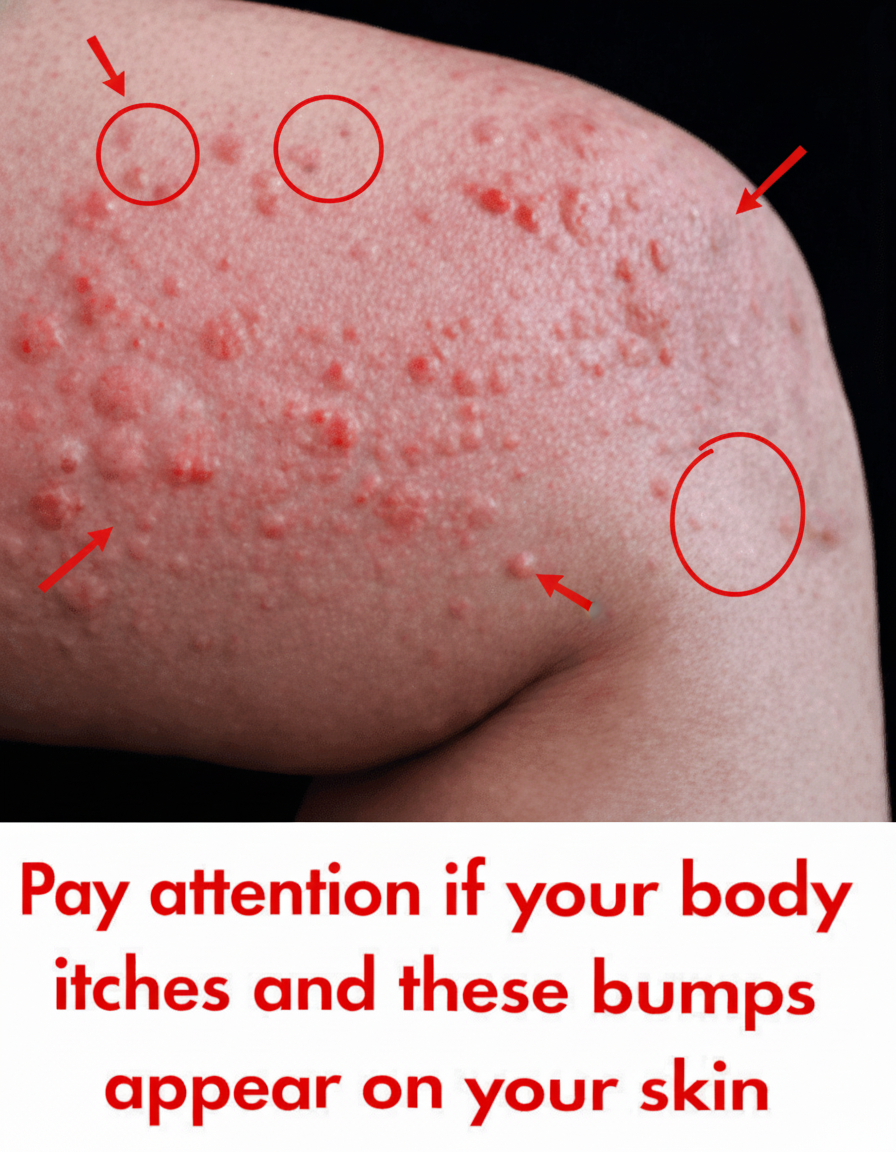
Here’s the mind-blowing part: how everyday physical and emotional factors can spark a hives attack without any allergic involvement whatsoever! It’s not always about what you eat or touch. Here are some common but often-missed hives causes:
- Stress and anxiety — Your emotional tension literally sensitizes your mast cells, cranking up histamine release and making those hives even worse.
- Pressure on the skin — Tight clothing, backpack straps digging in, or even just sitting on a hard surface can trigger skin welts.
- Temperature changes — Extreme heat, biting cold, sweating, or even a hot shower can set off an urticaria flare.
- Friction or scratching — Known as dermatographism, where simply light stroking on your skin raises angry welts within minutes.
- Sun exposure — Intense sunlight can provoke hives in sensitive individuals.
- Exercise — Physical exertion sometimes triggers cholinergic hives, often due to sweating.
The American Academy of Dermatology points out that physical stimuli like these are behind a ton of inducible hives cases. Dermatographism alone affects 2-5% of people and is one of the most under-recognized forms of hives out there. And that’s not even the whole story – even just water contact or vibrations can, in rare cases, trigger specific types of hives. Crazy, right?
🧘 The Hidden Role Stress Plays in Fueling Hives
Look, stress usually isn’t the *sole* cause of hives, but it’s a massive, undeniable amplifier. When you’re constantly anxious or feeling overwhelmed, your body starts pumping out chemicals that make your mast cells super reactive to *other* triggers. Research clearly links higher stress levels to more frequent and more severe hives outbreaks. For those battling chronic hives, the daily grind and pressure can keep that vicious cycle going, turning occasional flares into relentless, everyday battles. The emotional toll just piles on top of the physical itching – feeling utterly trapped in your own skin during stressful periods is a nightmare. But here’s a ray of hope: simple relaxation practices can actually help break this loop and reduce those dreaded hives episodes.
🩹 Practical Steps to Calm Hives and Prevent Future Outbreaks
While hives often decide to pack up and leave on their own (thank goodness!), these evidence-based strategies can seriously speed up your relief and help you fight back against future attacks. Don’t just sit there scratching – empower yourself with knowledge and action!
***
Whew! Dealing with hives is no joke, but understanding *why* your skin is freaking out is the first step to taking back control. Keep exploring our site for more expert tips and tricks on managing your skin health and living your best life, even when your body tries to throw you a curveball. Stay informed, stay empowered!