 By admin
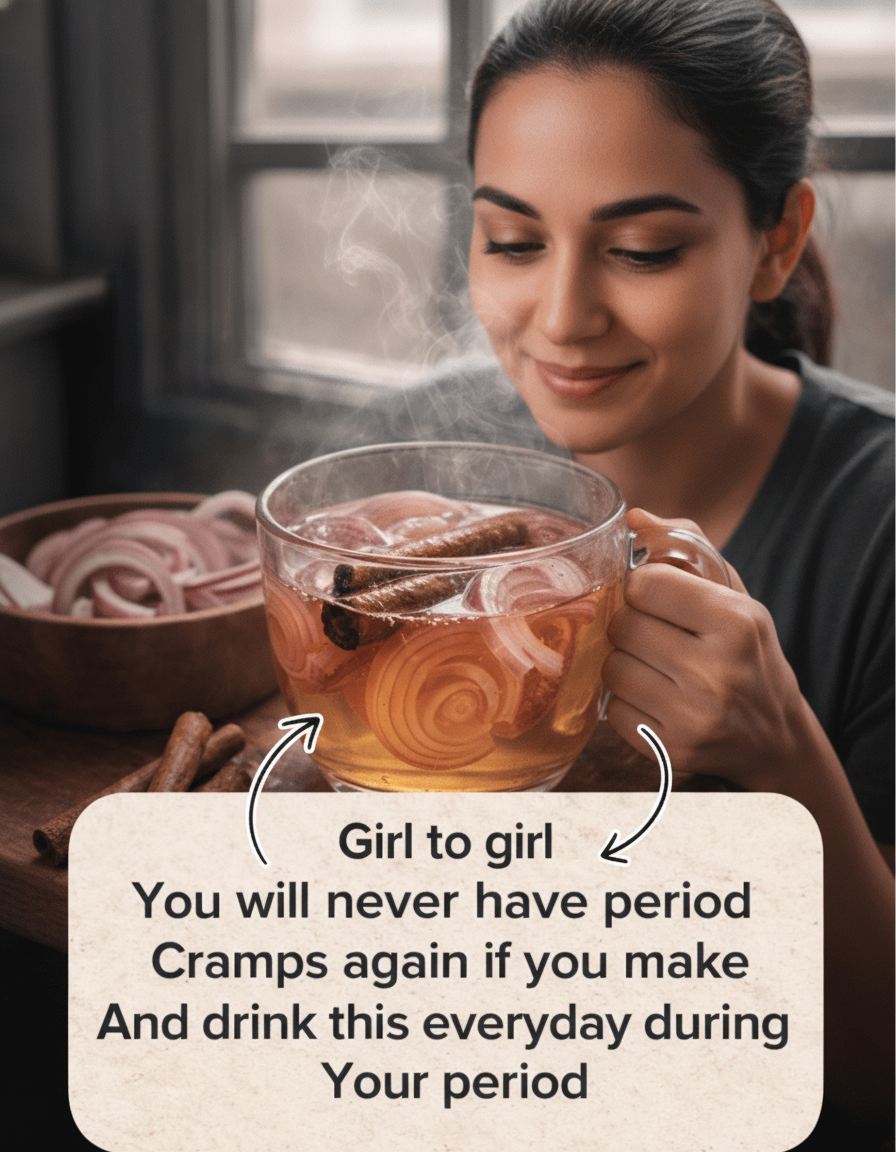
 Onion and Cinnamon Tea for Menstrual Cramps: A Deep Dive into this Natural Remedy
Menstrual cramps can often disrupt daily life, transforming even the most promising days into a battle against discomfort. The familiar ache in the lower abdomen, sometimes extending to the back or thighs, coupled with waves of fatigue, can feel overwhelming. While many instinctively reach for conventional pain relievers or heating pads, a growing interest in gentler, natural alternatives has emerged, largely fueled by social media discussions. Among these, a simple tea brewed from onion and cinnamon has gained attention, with individuals sharing personal accounts of finding greater ease during their menstrual cycle.
It’s important to remember that no single home remedy offers a universal solution. However, this particular combination draws inspiration from long-standing traditional practices and some encouraging preliminary research into its individual components. Let’s thoroughly examine what makes this herbal infusion an appealing option and what the current evidence truly suggests. Stay with us until the end, as we uncover a common, everyday element that often amplifies the soothing effects of any warm beverage in ways you might not expect.
Understanding the Roots of Menstrual Discomfort
Medically termed dysmenorrhea, menstrual cramps are caused by the uterus contracting to shed its lining each month. These contractions are primarily triggered by hormone-like substances known as prostaglandins. Elevated levels of prostaglandins can lead to more intense and uncomfortable uterine contractions, resulting in pain.
Common symptoms associated with menstrual cramps include:
- Sharp or throbbing pain in the lower abdominal region
- A persistent ache in the lower back or upper thighs
- A sensation of fullness or pressure in the pelvic area
- Occasional headaches, feelings of nausea, or general tiredness
While many women find relief through rest, applying warmth, or pharmaceutical medications, natural approaches like herbal teas offer a supportive pathway for those seeking complementary self-care options.
The Contribution of Onion to This Herbal Infusion
Onions are rich in beneficial plant compounds, with quercetin being a standout. This powerful flavonoid is recognized for its potent antioxidant and anti-inflammatory properties. Preliminary laboratory and animal studies indicate that quercetin might play a role in moderating certain muscle contractions, including those influenced by the prostaglandins responsible for menstrual pain.
Historically, various cultures have utilized onions for their purported ability to support circulation and provide a subtle warming effect. When boiled into a tea, water effectively extracts some of these water-soluble compounds, creating a mild infusion. However, it’s crucial to note that specific human studies focusing on onion tea for menstrual discomfort are currently limited, with most evidence stemming from broader research into quercetin’s potential benefits in reproductive health contexts.
Cinnamon’s Prominent Role in Menstrual Support
Cinnamon holds a more established position in natural health discussions regarding menstrual support. Several small-scale randomized controlled trials have investigated its effects on dysmenorrhea. Research, including double-blind studies, has consistently demonstrated that cinnamon supplementation (typically in doses of 1-3 grams daily) is associated with reduced pain intensity, decreased nausea, and sometimes a shorter duration of pain compared to placebo in women experiencing primary dysmenorrhea.
Furthermore, meta-analyses that compile findings from various herbal interventions, including cinnamon, suggest its potential for alleviating discomfort through its anti-inflammatory and muscle-relaxing actions. Compounds like cinnamaldehyde are believed to contribute to these effects by helping to lessen inflammation and promote the relaxation of smooth muscles – a highly relevant mechanism given that uterine cramps involve muscle spasms. In traditional medicinal systems, cinnamon is revered as a warming spice thought to enhance blood flow and ease tension-related discomfort.
The Rationale Behind Combining Onion and Cinnamon
The concept of blending onion and cinnamon into a tea is rooted in the theoretical synergy of their distinct properties. This combination aims to bring together:
- Onion’s anti-inflammatory antioxidants, particularly quercetin.
- Cinnamon’s potential antispasmodic effects and its ability to boost circulation.
The underlying logic is straightforward: a reduction in inflammation coupled with relaxed muscles could collectively lead to greater comfort during menstruation. Beyond the biochemical interactions, the simple act of slowly sipping a warm beverage during your period often provides inherent relief by promoting relaxation and increasing localized blood flow, which can help ease tension. But there’s more to the warmth itself – a significant factor that plays a larger role than many people realize, and we will revisit this shortly.
Simple Steps to Prepare Onion and Cinnamon Tea
If you’re interested in trying this supportive drink, here’s a common and straightforward method for preparation:
- Take half to one medium-sized onion and slice it thinly. While the skin can be included for additional compounds (ensure it’s thoroughly washed), it’s optional.
- Add one small cinnamon stick, or approximately half a teaspoon of ground cinnamon. (A cinnamon stick generally yields a milder flavor.)
- Place the sliced onion and cinnamon into 2-3 cups of water in a saucepan and bring it to a gentle boil.
- Reduce the heat and let it simmer for 10-15 minutes to allow the flavors and beneficial compounds to infuse into the water.
- Strain the tea into a cup, allow it to cool slightly to a comfortable drinking temperature, and sip slowly. If the onion flavor is too strong for your palate, a touch of honey can be added.
Many individuals suggest consuming one cup per day during the days you experience your period. As with any new remedy, it’s advisable to start with a small amount to observe how your body responds.
Does This Tea Truly Alleviate Menstrual Cramps? An Honest Assessment
It’s important to approach any natural remedy with a balanced perspective. While individual ingredients like cinnamon have supportive research for menstrual discomfort, and onion contains beneficial compounds, there isn’t extensive scientific research specifically on the combined efficacy of onion and cinnamon tea for period cramps. Therefore, no single drink can definitively promise to eliminate all menstrual pain for everyone.
However, the appeal of this tea likely stems from a combination of factors. The individual properties of onion (quercetin’s anti-inflammatory potential) and cinnamon (cinnamaldehyde’s anti-inflammatory and muscle-relaxing effects) suggest a theoretical benefit. Moreover, the act of consuming a warm beverage itself offers significant comfort. This is the “surprising everyday factor” we hinted at earlier: the warmth helps relax muscles, improves blood circulation, and provides a soothing psychological effect, all of which can contribute to easing discomfort during menstruation.
Ultimately, onion and cinnamon tea can be considered a gentle, natural supportive option for managing menstrual discomfort. While anecdotal evidence is plentiful, scientific validation for the combined tea is still emerging. It may work well for some individuals as part of a holistic self-care routine, offering hydration and warmth alongside potential herbal benefits. As always, if you experience severe or persistent menstrual pain, it’s advisable to consult with a healthcare professional to rule out underlying conditions and discuss appropriate management strategies.”
}
“`