 By admin
 Outdoor Bed Bugs: Debunking Myths and Practical Solutions for Your Yard
Imagine stepping into your beloved backyard on a beautiful evening, only to discover small, reddish-brown insects scuttling across your outdoor furniture or nestled within your garden cushions. A wave of concern might wash over you, as you wonder if these unwelcome guests are transforming your tranquil outdoor sanctuary into a source of stress. The frustration can intensify when countless online “hacks” promise instant eradication, leaving you bewildered about genuinely effective and safe approaches. But there’s a crucial insight awaiting you: By the end of this comprehensive guide, you’ll uncover a fundamental truth about these pests that could entirely reshape your outdoor pest management strategy.
The Surprising Reality of Bed Bugs in Outdoor Settings
Bed bugs, scientifically known as Cimex lectularius, are primarily notorious as indoor pests, exhibiting a strong preference for environments close to human hosts to access their essential blood meals. Contrary to popular belief, they do not typically establish colonies within your garden’s soil, grass, or flowerbeds, unlike more common outdoor insects such as ants or mosquitoes. However, this isn’t the complete picture.
These elusive insects can occasionally make an appearance outdoors, particularly when they are displaced from their usual indoor habitats. For example, they might hitch a ride on discarded indoor furniture placed outside, cling to clothing or items moved from an infested home, or even wander from adjacent properties, especially during warmer seasons. Research conducted by leading entomology experts, including those at university extension services like the University of Kentucky, indicates that sheltered outdoor areas—such as beneath patio cushions, inside stored planters, or within cracks of wooden decks and structures—can serve as temporary havens. This suggests that what you observe in your garden is often a few transient individuals rather than a thriving, established outdoor colony. Understanding this distinction is vital, as it helps prevent unnecessary panic. Genuine outdoor infestations are exceedingly rare, yet knowing the circumstances under which they appear empowers you to take smarter, more targeted actions.
Why Common “Quick-Fix” Bed Bug Remedies Fall Short Outdoors
You’ve likely encountered numerous online suggestions advocating for remedies like dousing with boiling water, spraying concentrated vinegar, or using various powders to instantly eliminate bed bugs from your garden. While these methods sound appealing, particularly when seeking a rapid resolution, their effectiveness is often overstated and limited.
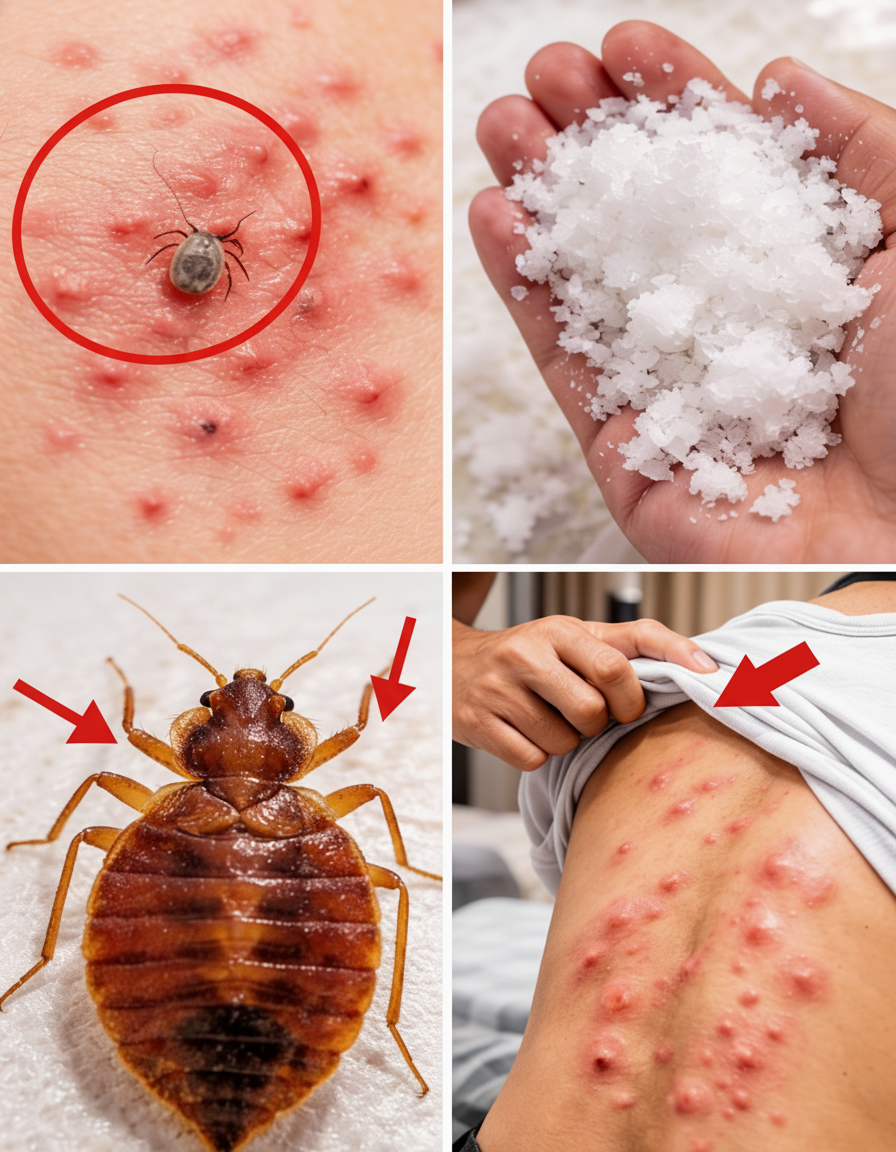
It’s true that direct contact with extreme heat, such as water at 212°F (100°C), or the concentrated acetic acid in vinegar, can indeed harm or kill individual bed bugs by disrupting their biological functions. However, the practical application outdoors reveals significant limitations. These methods are only effective on bugs that are directly visible and accessible, which is challenging in an outdoor environment where pests can quickly scatter and hide in numerous crevices. Furthermore, bed bug eggs and young nymphs are often resilient and can survive such surface-level treatments, potentially leading to a resurgence of the problem. Broad application of these substances can also pose risks to your delicate garden plants, outdoor furniture finishes, and even disrupt the natural microbial balance of your soil. Leading pest management organizations, such as the National Pest Management Association, consistently emphasize that no single natural remedy can guarantee complete eradication of a noticeable bed bug presence within minutes. Many “instant” claims stem from anecdotal evidence or incomplete scientific understanding. For instance, while laboratory research confirms heat above 118-120°F (48-49°C) is lethal to bed bugs, achieving and maintaining such temperatures evenly across outdoor spaces without specialized equipment is practically impossible. Similarly, while vinegar might offer a temporary repellent effect or kill on contact, it lacks the penetrating power to reach deep into hidden harborages where these pests might reside.
Effective Strategies for Managing Bed Bugs in Outdoor Spaces
Instead of relying on unproven miracles, a pragmatic approach focusing on precise identification, targeted removal, proactive prevention, and consistent monitoring yields far better results. These strategies, grounded in expert guidelines, help address visible pests while safeguarding your outdoor environment. The first crucial step is accurate identification to confirm you are indeed dealing with bed bugs. These pests are small, oval-shaped, and typically reddish-brown, often leaving behind tell-tale signs such as tiny dark fecal spots or translucent shed exoskeletons (skins).
Step 1: Immediate Spot Treatments for Visible Pests
If you confirm the presence of bed bugs, take immediate, targeted action using methods that minimize risks to your garden and furniture:
- Boiling Water Application: Carefully pour boiling water directly over visible bed bugs on hard, non-porous surfaces like patio stones, concrete, or metal furniture. This method can effectively eliminate adults and nymphs on contact without introducing chemicals. Exercise extreme caution to avoid splashing and direct contact with plants, as it can cause severe damage.