 By admin
 Ovarian Cancer: 8 Critical Early Warning Signs Every Woman Must Know
It’s common for women to experience symptoms like occasional bloating, tiredness, or mild pelvic unease, often dismissing them as typical aspects of daily life, stress, the aging process, or minor digestive complaints. Unfortunately, these seemingly innocuous sensations can sometimes be among the earliest indicators of a more serious underlying condition. Ovarian cancer is frequently dubbed a “silent killer” or “stealthy disease” because it often progresses without clear indicators until it reaches later, more challenging stages. This fact underscores the critical importance of recognizing subtle physiological shifts as early as possible. What if some of the everyday symptoms you’ve been overlooking are actually your body’s quiet way of signaling for attention?
In this comprehensive article, you will discover the 8 most commonly reported early signs that women later diagnosed with ovarian cancer noticed – frequently for months before receiving a diagnosis.
Why Early Detection of Ovarian Cancer is Challenging
Ovarian cancer originates in the ovaries (or sometimes the nearby fallopian tubes). Since these vital organs are situated deep within the pelvic cavity, small tumors can develop and grow for a significant period without causing obvious red flags. Unlike breast cancer or cervical cancer, there is currently no universally reliable routine screening test available for the general population. This makes heightened symptom awareness one of the most powerful tools women possess in safeguarding their health. The encouraging news is that when ovarian cancer is identified in its earlier stages, treatment options are often significantly more effective and less invasive. This is precisely why understanding which seemingly “normal” symptoms warrant a second, more serious look is incredibly important.
8 Vital Early Warning Signs of Ovarian Cancer to Recognize
Many women later express regret for not taking these initial signs more seriously. Pay close attention to these potential indicators:
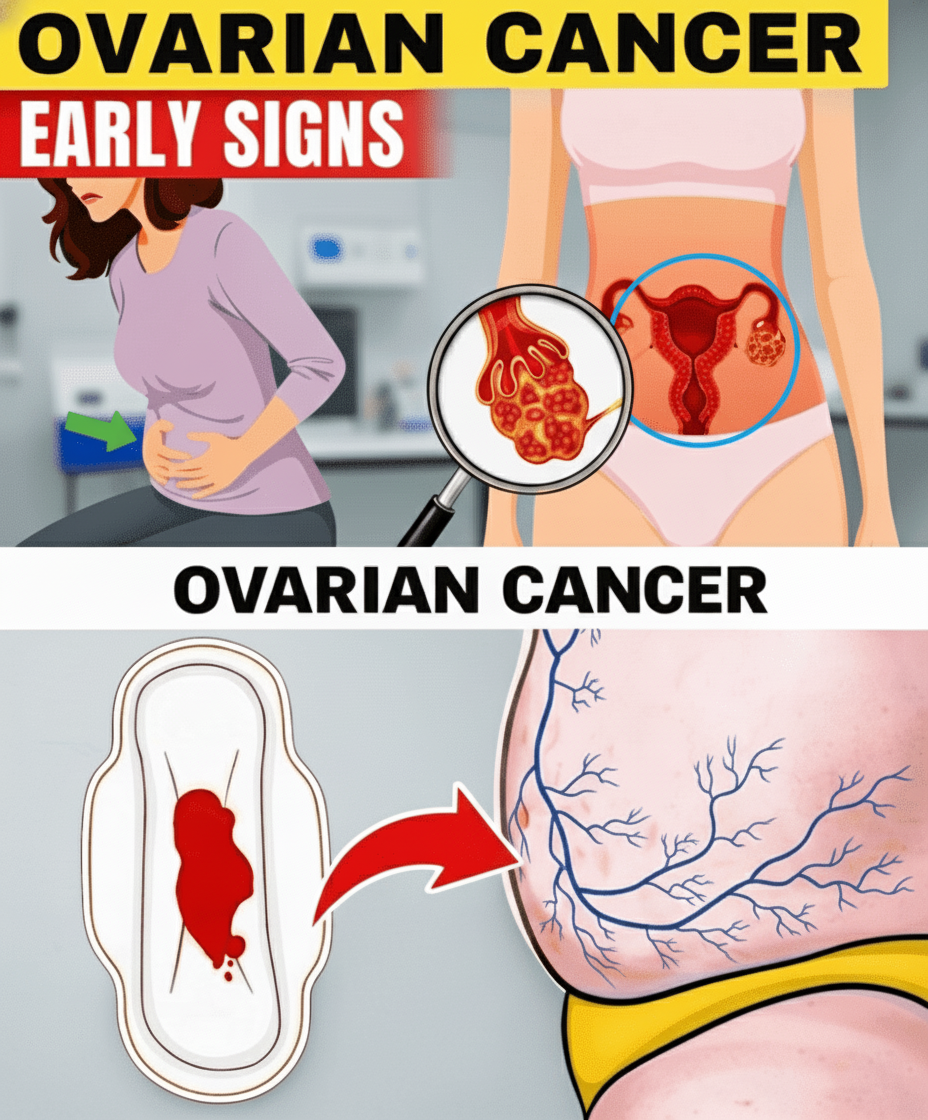
1. Persistent and Unusual Bloating
While occasional bloating after a large meal or during menstrual cycles is normal, bloating linked to ovarian cancer tends to be distinct:
- More Constant: It persists for weeks rather than just a few days.
- Visibly Noticeable: Your clothing, particularly around the waist, may suddenly feel uncomfortably tight.
- Unrelieved: It doesn’t improve with bowel movements or passing gas.
Women often describe this sensation as “looking pregnant” even when they know they are not.
2. Ongoing Pelvic or Abdominal Pain
This isn’t the sharp, sudden pain associated with a cyst rupture. It’s more commonly characterized as:
- A dull ache or a persistent feeling of heaviness in the lower abdomen or pelvis.
- Discomfort that lingers for weeks or even months.
- Pain that might come and go, but consistently returns.
Many women initially attribute it to digestive issues, menstrual cramps, or even muscle strain, only to find that it simply refuses to subside.
3. Feeling Full Quickly (Early Satiety)
You might sit down to eat and, after just a few bites, feel completely stuffed – even though you’ve consumed very little food. This phenomenon occurs because a growing mass can press on the stomach or intestines, reducing the available space for food. Women frequently comment, “I feel full so fast now; I can’t even finish half my plate.”
4. Increased Urinary Frequency or Urgency
Suddenly feeling the need to rush to the bathroom constantly – or waking up multiple times during the night to urinate – can be an early indicator. When a mass presses on the bladder, even a small amount of urine can trigger that intense “gotta go” sensation.
5. Unexplained, Persistent Fatigue
Everyone experiences tiredness, but cancer-related fatigue is often described differently:
- Profound exhaustion that doesn’t improve with rest.
- Feeling drained even after a full night’s sleep.
- A distinct quality compared to normal stress or busy-life weariness.
Many women report knowing “something wasn’t right” because the fatigue felt far heavier and more pervasive than anything they had encountered before.
6. Notable Changes in Bowel Habits
A tumor can exert pressure on the intestines, leading to:
- New or worsening constipation.
- Alternating episodes of constipation and diarrhea.
- A sensation of never being fully “empty” after a bowel movement.
These alterations in bowel function often appear concurrently with bloating and abdominal discomfort.
7. Persistent Lower Back Pain Without Clear Cause
Ongoing lower back pain that lacks an obvious explanation – particularly when it’s a new symptom and accompanies other pelvic or abdominal issues – is a sign many women later wish they had discussed with their doctor sooner.
8. Abnormal Vaginal Bleeding or Discharge
Any postmenopausal bleeding should always prompt immediate medical investigation. In younger women, irregular, unusually heavy, or unexpected bleeding can also serve as a warning sign, especially when it occurs alongside other symptoms mentioned on this list.
When to Seek Medical Advice: Distinguishing Concerning Symptoms
It’s crucial to remember that most of the symptoms listed above are very common and are usually caused by far less serious conditions (such as Irritable Bowel Syndrome, fibroids, endometriosis, perimenopause, or urinary tract infections). So, when should you be concerned? Healthcare professionals often advise using this straightforward guideline: “If symptoms are new, persistent (lasting more than a few weeks), and noticeably different from what you typically experience, it’s time to consult your doctor.” Prioritizing your health and seeking timely medical advice can make a significant difference in outcomes. Don’t hesitate to voice your concerns to a healthcare provider if something doesn’t feel right with your body.