 By admin
 Stepping away from the toilet, you might occasionally notice a layer of foam on your urine. While a fleeting observation for some, for others, it’s a consistent occurrence – a persistent froth that lingers, even when you’ve maintained good hydration. This subtle change, though often dismissed as insignificant or a sign of simple dehydration, can sometimes be a quiet indicator that protein is present in your urine where it shouldn’t be. The good news? Recognizing this early opens the door to proactive steps that can safeguard your kidney health and offer valuable peace of mind.
This comprehensive guide will delve into the potential causes behind persistent foamy urine, ranging from benign factors to more significant health signals. We’ll also equip you with practical, research-backed strategies to maintain your well-being and protect your kidneys. Continue reading to discover everyday habits that truly make a difference.
What Exactly Is Foamy Urine?
Foamy urine is characterized by a stable layer of white, frothy bubbles that remain visible for several seconds or even minutes after urination. This differs significantly from the transient bubbles typically produced by a strong urine stream, which quickly dissipate. Reputable health organizations like the Mayo Clinic and Cleveland Clinic confirm that occasional bubbles are generally harmless, often stemming from a forceful flow, residual cleaning agents in the toilet bowl, or temporary dehydration. However, when this foam appears consistently and doesn’t clear up promptly, it warrants closer attention.
The crucial distinction lies in the foam’s persistence and appearance. While normal urine might exhibit a few fleeting bubbles, concerning foam often resembles the head on a freshly poured pint of beer, maintaining its structure for an extended period.
Harmless Causes Versus Potential Health Indicators
It’s important to note that not every instance of foamy urine signifies a serious underlying issue. Several everyday factors can contribute to its temporary appearance:
- Dehydration: Insufficient fluid intake concentrates your urine, making it more prone to temporary foaminess.
- Rapid Urination: A powerful stream hitting the water can trap air, generating bubbles that quickly vanish.
- Toilet Cleaners or Soaps: Residue from cleaning products or even certain soaps in the toilet bowl can create froth unrelated to your body’s processes.
- Certain Medications or Supplements: Some pharmaceutical products or dietary supplements can temporarily alter the composition or appearance of your urine.
However, a key point often overlooked is that persistent and thick foam, especially if observed daily, frequently correlates with elevated protein levels in the urine – a condition medically termed proteinuria. Scientific studies indicate that when the delicate filtering units of your kidneys (glomeruli) are compromised, proteins like albumin can leak into the urine, subsequently changing its texture to foamy.
Common health conditions linked to this phenomenon include:
- Chronic High Blood Pressure: Sustained elevated blood pressure can damage the tiny blood vessels within the kidneys over time.
- Diabetes: Uncontrolled blood sugar levels can impair kidney function, leading to protein leakage.
- Other Chronic Kidney Conditions: Various other diseases can progressively impact kidney health and lead to proteinuria.
The National Kidney Foundation highlights that foamy urine is often among the earliest noticeable indicators when kidney filtration is not functioning optimally.
Distinguishing Normal Bubbles from Concerning Foam
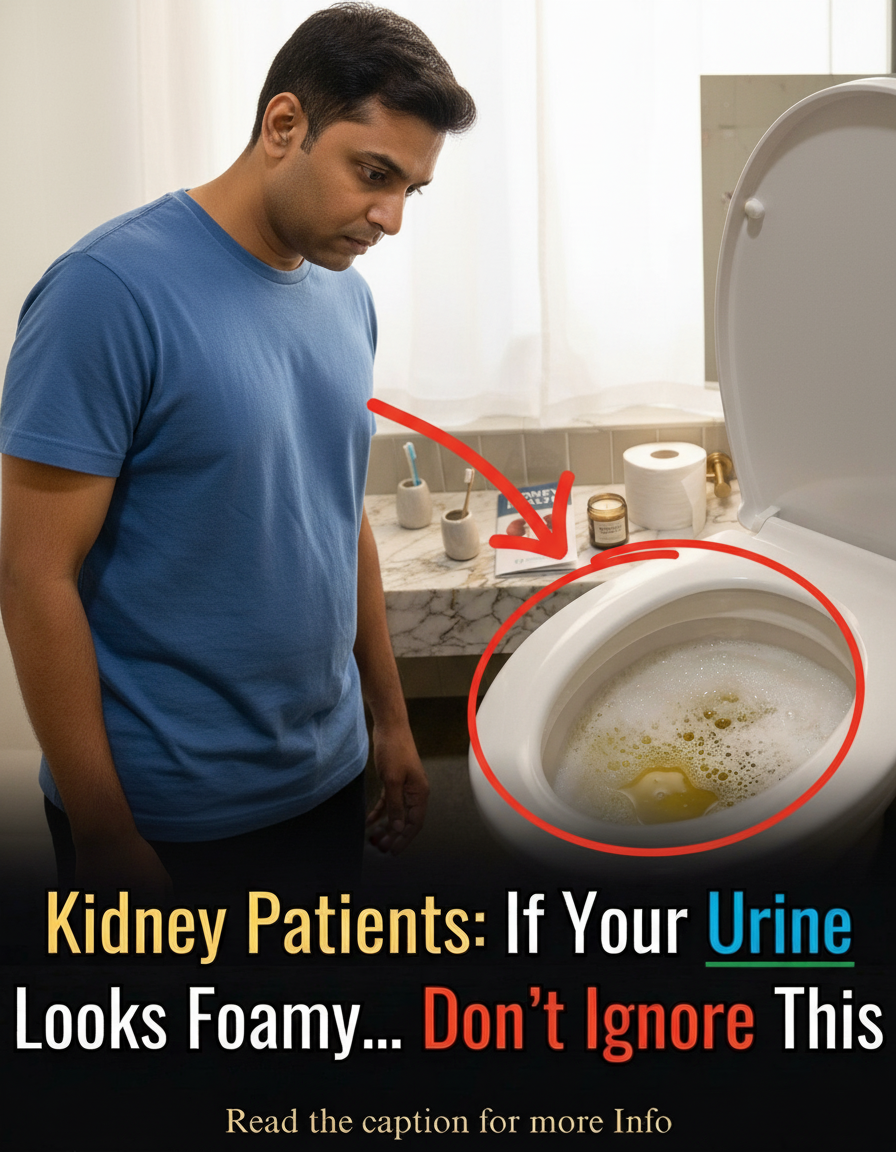
To help you assess what you’re observing, consider this comparative guide:
Normal Bubbles:
- Occur infrequently.
- Disappear within seconds after flushing.
- Primarily caused by the speed of urine flow or mild dehydration.
- Are not accompanied by other symptoms such as swelling or unusual fatigue.
Persistent Foam (Worthy of Monitoring):
- Appears most days or consistently.
- Forms a thick, stable layer that lingers (similar to soap suds).
- May be accompanied by subtle signs like mild swelling in the hands or feet, or unexplained increased tiredness.
- Does not significantly improve solely with increased fluid intake.
If your observations align more closely with the characteristics of persistent foam, it is advisable to monitor the situation for a week or two, noting any patterns or accompanying symptoms.
Diagnostic Tests Your Doctor Might Recommend
When you consult a healthcare professional about ongoing foamy urine, they typically begin with several straightforward diagnostic evaluations. A basic urinalysis is often the first step, capable of quickly detecting the presence and approximate levels of protein in your urine. Another common and convenient test is the protein-to-creatinine ratio, measured in a single spot urine sample, which provides valuable insights without requiring a full 24-hour collection.
Further assessment may involve blood tests to evaluate overall kidney function. These typically include measuring blood creatinine levels and estimating the glomerular filtration rate (eGFR). Together, these tests offer a clearer picture of your kidney health and internal functioning. Early detection through these routine screenings facilitates timely discussions about necessary lifestyle adjustments and medical interventions to support long-term kidney well-being.
Everyday Habits to Nurture Kidney Health
Supporting your kidney health doesn’t necessitate drastic overhauls. Here are actionable, evidence-backed tips endorsed by leading health organizations:
- Maintain Consistent Hydration: Aim for your urine to be clear or a pale yellow throughout most of the day. Distribute your water intake evenly rather than consuming large volumes all at once.
- Monitor Sodium Intake: High levels of dietary salt can contribute to elevated blood pressure, placing undue stress on your kidneys. Prioritize fresh, whole foods and always check nutritional labels for sodium content.
By integrating these simple yet impactful habits into your daily routine, you can play an active role in protecting your kidney function and promoting overall health.