 By admin
 Persistent Swollen Feet: Critical Health Warnings You Shouldn’t Overlook
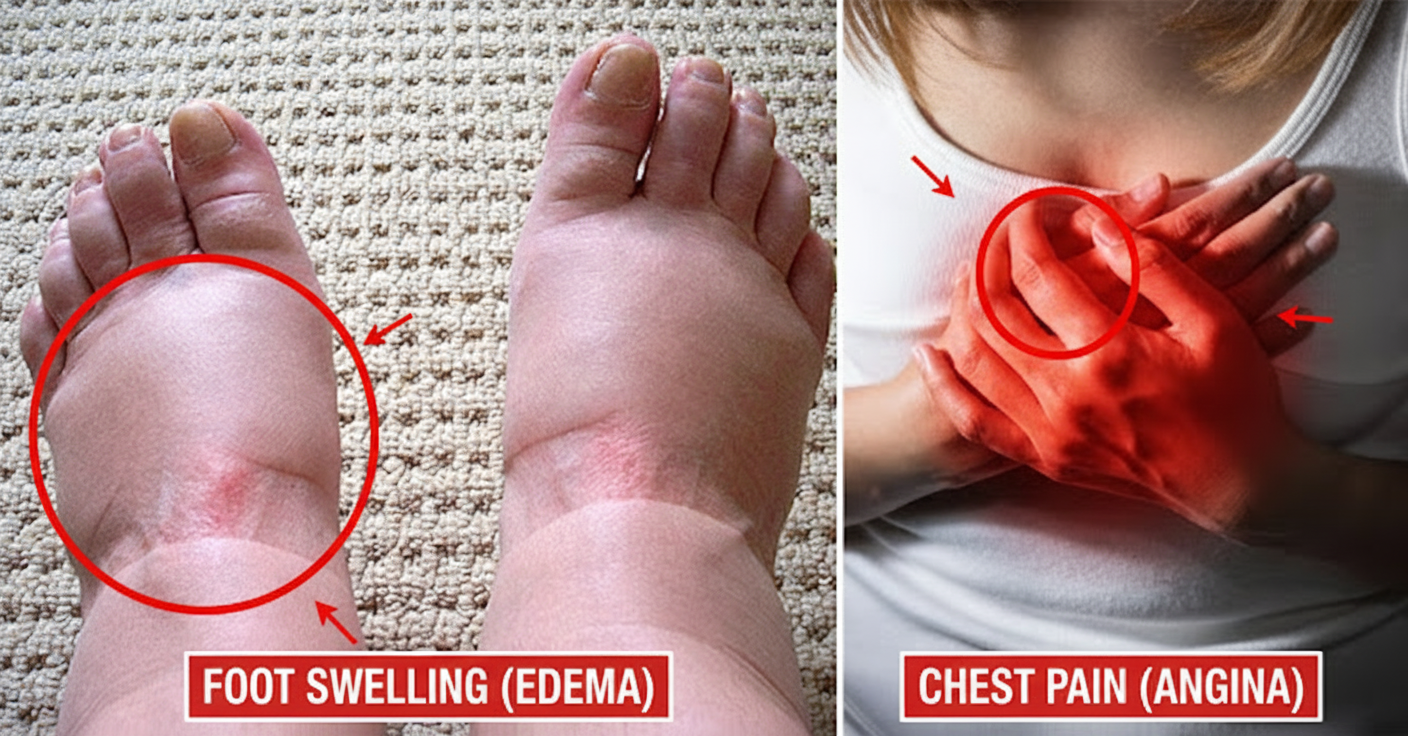
As we navigate life’s journey, particularly with advancing age, it becomes increasingly important to be attuned to subtle shifts in our physical well-being. What might appear as a minor discomfort, such as swollen feet, can sometimes be a significant indicator of deeper health concerns. While often dismissed as a simple inconvenience, unexplained or persistent foot swelling warrants closer examination. This article delves into several crucial warning signs associated with edema in the lower extremities that should never be ignored.
Deep Vein Thrombosis (DVT)
One serious underlying cause of unilateral (one-sided) foot or leg swelling is Deep Vein Thrombosis (DVT). This condition arises when a blood clot forms within a deep vein, most commonly in the leg. DVT poses a significant risk because a fragment of the clot can dislodge and travel to the lungs, leading to a potentially life-threatening pulmonary embolism. If you observe swelling in one foot accompanied by pain, tenderness, warmth, or redness, it is imperative to seek immediate medical attention.
Cardiac Issues
Swollen feet can also serve as an unexpected symptom of heart-related problems, especially congestive heart failure. When the heart struggles to pump blood effectively throughout the body, fluid can accumulate in the lower limbs, leading to noticeable swelling in the legs and feet. Should you experience sudden or ongoing foot swelling, particularly if it’s coupled with shortness of breath, unusual fatigue, or a rapid heartbeat, a consultation with your doctor is strongly advised.
Kidney Dysfunction
The kidneys are vital organs responsible for filtering waste products from the blood and maintaining the body’s fluid balance. When kidney function is impaired, they may fail to adequately remove excess fluid, resulting in fluid retention (edema) that frequently manifests as swollen feet and ankles. An increase in swelling, especially when accompanied by symptoms like foamy urine or a decrease in overall urine output, should prompt an urgent discussion with your healthcare provider.
Liver Disease
Liver disease, particularly advanced conditions like cirrhosis, can also contribute to unexplained foot swelling. A compromised liver struggles to produce essential proteins and regulate fluid processing, leading to fluid accumulation throughout the body, prominently visible in the feet. Beyond the swelling, watch for other tell-tale signs such as jaundice (yellowing of the skin or eyes) or abdominal fluid buildup.
Medication Side Effects
It’s important to recognize that certain medications can induce fluid retention and subsequent swelling in the feet. Common culprits include some blood pressure medications, corticosteroids, antidepressants, and hormone therapies. If you have recently started a new prescription and notice the onset of foot swelling, discussing this potential side effect with your prescribing physician is a sensible step to rule out a drug-induced reaction.
Lymphatic Obstruction (Lymphedema)
The lymphatic system plays a critical role in fluid drainage. If this system becomes blocked or damaged, it can lead to a condition known as lymphedema, where lymphatic fluid collects in the extremities. This often results in significant and persistent swelling, making the affected foot or leg feel heavy and uncomfortable. If you experience persistent swelling alongside a feeling of heaviness in your limbs, a medical evaluation is highly recommended.
Pregnancy-Related Swelling
For expectant mothers, mild foot swelling is a common and often normal occurrence due to increased blood volume and pressure on blood vessels. However, severe, sudden, or rapidly worsening swelling, especially when accompanied by headaches, blurred vision, or abdominal pain, could signal preeclampsia. Preeclampsia is a serious pregnancy complication requiring immediate medical intervention.
Infections
Localized infections can also cause swelling in the feet, a risk that is particularly elevated for individuals with diabetes or compromised immune systems. Even a minor cut, blister, or insect bite can quickly escalate into a severe infection if left untreated. If you observe swelling accompanied by increased warmth, redness, pus, or unusual tenderness around the affected area, prompt medical consultation is essential to prevent further complications.
Embracing a proactive approach to your health involves being attentive to the messages your body sends. Persistent or unexplained swollen feet are not merely cosmetic issues; they are potential indicators of serious underlying health conditions. Consulting a healthcare professional to investigate the root cause and receive appropriate treatment can lead to improved health outcomes, enhanced peace of mind, and a better quality of life. Remember, recognizing and addressing these changes early is key to maintaining long-term well-being.