 By admin
 What Exactly Is Pneumonia?
Listen up, folks! Ever wondered what that nasty cough could escalate into? Pneumonia ain’t no joke, trust me. It’s a full-blown lung invasion, an infection that inflames one or both of your precious breathing organs. Picture this: your air sacs, which are supposed to be clear and ready for action, get gunked up with fluid or pus. What does that mean for you? It means your body struggles like hell to pull oxygen into your bloodstream. And get this – the culprits can be bacteria, viruses, or even some sneaky fungi.
Anyone can catch this bug, but let’s be real, some folks are practically prime targets. We’re talking about the little ones under 2 and our wise elders over 65. If your immune system is already fighting battles, or you’ve got chronic conditions like diabetes or heart disease, you’ve gotta pay extra attention. And smokers? You’re practically rolling out the red carpet for this lung infection. Research screams it: pneumonia is still a top reason people end up in the hospital worldwide. But here’s the good news: if you catch it early, you can often kick its butt effectively. Don’t sleep on this!
Common Symptoms You Should Never Ignore
Think you just have a ‘bad cold’? Think again, pal! Spotting pneumonia early makes a massive difference in how you fight it off. These aren’t just sniffles; these are red flags waving in your face. Here are the key signs to watch for:
- A cough that’s spitting out nasty mucus or phlegm – not just a dry hack.
- Fever and chills hitting you like a brick wall, out of nowhere.
- Gasping for air, especially when you’re just doing normal stuff.
- Chest pain that screams when you breathe deep or cough.
- Wiped out, extreme tiredness, and can’t even stomach food.
But that’s not all. And get this, it gets even weirder for some. Older adults, especially, might feel confused or experience sudden changes in their mental awareness – like their brain’s gone a bit scrambled. Others might be battling nausea or vomiting right alongside those awful respiratory symptoms. If these feelings persist beyond a few days or, worse, start getting worse, don’t play doctor; get to a real one, pronto! Your health isn’t a game.
Who Is Most at Risk for Pneumonia?
Who’s on the hit list for this lung menace? Understanding your personal risk level helps you stay one step ahead and keep this infection from messing with your life. Let’s look at the main factors that put you in the danger zone:
- Age matters: Your age ain’t just a number here. Young children and seniors have immune responses that are either still developing or already starting to decline, making them easier targets.
- Lifestyle choices: Your daily grind can either save you or sink you. Smoking, for instance, absolutely trashes your lung defenses and makes you way more susceptible to lung infections.
- Existing health conditions: Got other health baggage? Asthma, COPD, diabetes, and heart problems can make your lungs weaker and more vulnerable to a full-blown attack.
- Recent illnesses: Just got over a nasty cold or the flu? Sometimes, those can open the door for a secondary pneumonia infection to sneak in and cause real trouble.
Studies indicate that vaccination status also plays a crucial role in prevention for certain types of bacterial pneumonia. And hey, don’t forget your shots – they’re your body’s bouncers against some of these invaders! Here’s a quick comparison to help you assess:
| Risk Factor | Low Risk Group | Higher Risk Group |
|---|---|---|
| Age | 2 to 64 years | Under 2 or over 65 |
| Smoking Status | Non-smoker | Current or former smoker |
| Immune Health | Strong, no chronic issues | Weakened by illness or medication |
| Recent Infections | None | Recent flu or cold |
How Pneumonia Develops in the Lungs
Ever wondered what’s really going down in your chest when pneumonia strikes? If you check out some medical illustrations, you can literally see the chaos. Picture this: your lungs, usually soft and pink like a fresh sponge, become inflamed and filled with fluid in the affected areas. They get gunked up, like a swamp! That’s why every breath feels like you’re trying to suck air through a wet rag – breathing becomes incredibly difficult, almost impossible.
The infection triggers your body’s internal army, your immune response, sending white blood cells to rush in for a street fight against those invaders. While this defense mechanism is absolutely crucial and protective, the resulting inflammation from that battle is what’s kicking your butt and causing many of those uncomfortable, debilitating symptoms you feel. It’s a necessary evil, but it hurts!
Everyday Habits That Support Lung Health
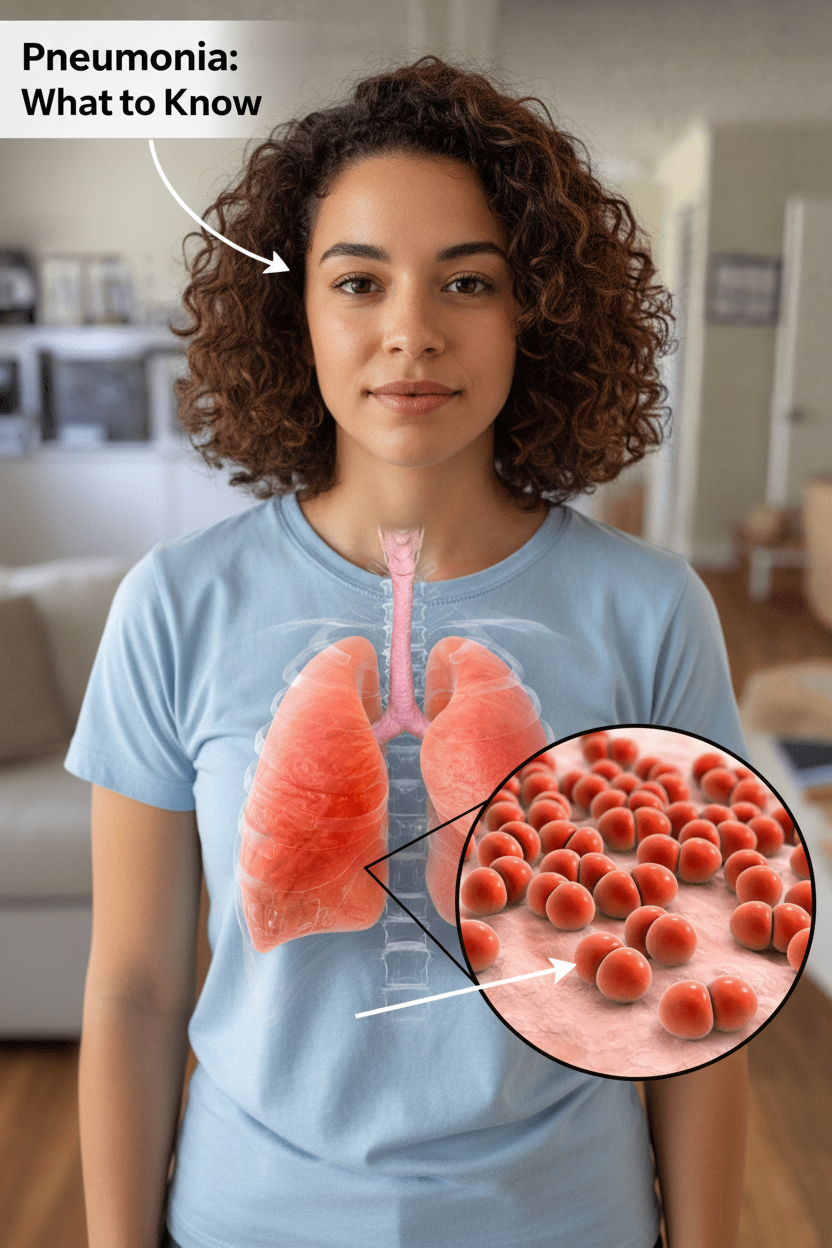
Wanna keep those lungs fighting fit and strong? It’s easier than you think, champ. You don’t need fancy equipment or a medical degree to start protecting your lung health today. Simple daily choices can make a meaningful difference over time, turning your body into a fortress against respiratory infections. Here are practical steps you can take right away:
- Scrub those paws like your life depends on it! Wash your hands frequently with soap and water, especially before eating or touching your face.
- Steer clear of coughers and sneezers. Avoid close contact with people who are sick when possible – keep your distance!
- Get your shots, no excuses. Stay up to date with recommended vaccinations, including flu and pneumococcal shots. They’re your body’s bouncers.
- Air out your crib. Keep your home well-ventilated and reduce exposure to smoke or pollutants that irritate your lungs.
- Fuel your body right. Maintain a balanced diet rich in fruits and vegetables to support overall immunity and give your body the tools it needs.
But there’s one habit that often gets overlooked, and it’s a secret weapon most folks forget… Getting enough quality sleep and managing stress levels can strengthen your body’s natural defenses and boost your immune system more than you might expect. Sleep like a boss, chill out, and watch your body become a fortress!
When to Seek Professional Medical Help
Okay, real talk: When do you stop messing around and call in the pros? Knowing when to get professional medical help is absolutely crucial. Don’t be a hero; this ain’t the time to tough it out. Don’t wait if you experience any of these serious red flags:
- Difficulty breathing that doesn’t improve with rest – if you’re gasping for air and resting does squat, that’s a problem.
- High fever that lasts more than a couple of days – if your fever’s through the roof and won’t quit, get help.
- Confusion or sudden changes in alertness – if your brain feels like scrambled eggs or you’re suddenly not yourself.
- Bluish lips or fingernails (a sign of low oxygen) – that’s a serious S.O.S. for oxygen, and it means you need help NOW.
Healthcare providers ain’t messing around either. They use various tools to evaluate symptoms, including listening to your lungs and sometimes ordering imaging tests like X-rays to get a peek inside. Catch it early, and you’re way ahead of the game; early evaluation often leads to better outcomes and a smoother recovery. So don’t hesitate!
Lifestyle Adjustments for Better Respiratory Support
Want to give your lungs an unfair advantage and keep them performing at their peak? Beyond just dodging bullets with basic prevention, small, consistent changes in your daily routine can help your lungs function at their absolute best. Consider these actionable tips – they’re simple but powerful:
- Take a few minutes each day to really breathe. Practice deep breathing exercises to expand lung capacity and keep those air sacs working.
- Chug that water like it’s going out of style! Stay hydrated by drinking plenty of water throughout the day to keep mucus thin and moving.
- Get off the couch! Incorporate light physical activity like walking, as approved by your doctor. Movement helps your lungs stay active.
- Crowds during peak cold and flu seasons? Nah, you’re smarter than that. Avoid crowded places if you’re in a higher-risk group to minimize exposure.
These habits aren’t complicated, yet they add up to stronger resilience over months and years. Stick with ’em, and your lungs will thank you big time down the road!
The Role of Nutrition in Supporting Recovery
Fuel your fight: What you put in your belly matters more than you think! Think your diet doesn’t play a role in kicking infections to the curb? Think again. What you eat can profoundly influence how your body handles infections and how quickly you bounce back. Focus on nutrient-dense foods that pack a punch, providing your body with the essential vitamins and minerals it needs to power your immune system and fight off those nasty invaders. Load up on the good stuff – your body will thank you for it!
Alright, health warriors, that’s the lowdown on pneumonia – straight talk, no sugarcoating. Now you’re armed with the knowledge to protect your precious lungs. Keep an eye on those symptoms, know your risks, and take charge of your health! Want to dive deeper into how to stay healthy and strong? Check out more of our no-nonsense guides on Herbal Medicine, Home Tips, and living a Healthy Life right here on dogpjs.com. Your well-being is our mission!