 By admin
 Prickly Pear Cactus: A Natural Ally for Optimal Blood Sugar Management
Navigating the complexities of blood sugar regulation is a common challenge for many, impacting everything from daily energy levels and mood to long-term health prospects. Experiencing sharp blood sugar spikes following meals can lead to feelings of fatigue, irritability, and heightened concern for one’s metabolic well-being. While various dietary strategies exist, certain traditional foods have emerged as gentle yet effective allies. Among these, the prickly pear cactus, widely recognized as nopal, has garnered significant interest across diverse cultures. Scientific inquiries have begun to explore how specific components of this resilient plant may contribute to daily blood sugar management when integrated into a well-rounded diet. Beyond the research, understanding its practical applications—especially through accessible home preparations like fresh juices and smoothies—is equally vital for those seeking natural support.
Prickly Pear Cactus: Why It Stands Out for Blood Sugar Regulation
The prickly pear cactus, belonging to the Opuntia genus, thrives in arid environments and has been a dietary staple in regions such as Mexico for centuries. Its edible flat pads, known as cladodes or nopal, are rich in beneficial compounds including dietary fiber, antioxidants, and various other phytonutrients that have attracted scientific attention. Emerging research indicates that nopal pads may play a significant role in moderating post-meal blood sugar responses. For instance, several studies have demonstrated that incorporating cooked or specially prepared nopal alongside carbohydrate-dense meals can result in a more controlled rise in blood glucose compared to consuming the same meal without it. This beneficial effect is primarily attributed to its substantial soluble fiber content, which is believed to slow down the digestive process and subsequently reduce the rate of glucose absorption in the intestinal tract. Furthermore, comprehensive systematic reviews have highlighted important distinctions based on whether the pads or the fruit of the cactus are consumed. Generally, the nopal pads exhibit more consistent short-term impacts on postprandial glucose levels, whereas the fruit typically shows a less pronounced effect in many studies.
Vital Nutrients in Nopal Supporting Glycemic Health
The nopal pads are packed with several key nutritional components that contribute not only to general well-being but also specifically to metabolic health:
- Rich in Dietary Fiber: Particularly soluble fiber, which forms a viscous, gel-like substance within the digestive tract. This property can significantly slow down the absorption of sugars into the bloodstream, thereby helping to stabilize blood glucose levels.
- Abundant in Antioxidants and Polyphenols: These powerful compounds are crucial for neutralizing harmful free radicals and reducing oxidative stress, a condition often elevated in individuals managing their blood sugar.
- Naturally Low Glycemic Impact: Nopal itself has a minimal effect on blood sugar levels, making it an excellent and compatible addition to various meals, especially those rich in carbohydrates.
Research, including findings published in reputable scientific journals such as Medicina, consistently suggests that these combined nutrients offer tangible, albeit modest, benefits for glycemic control when nopal is regularly integrated into dietary habits.
Scientific Evidence: Nopal’s Impact on Blood Glucose
Numerous human studies have delved into the specific effects of nopal on blood sugar:
- Clinical trials involving individuals diagnosed with type 2 diabetes have shown promising results. In some instances, incorporating approximately 300 grams of nopal into breakfast meals led to a notable reduction in post-meal blood sugar surges.
- A comprehensive review synthesizing data from multiple studies concluded that the cladodes (pads) consistently demonstrated an ability to lower postprandial glucose levels in acute experimental settings. However, the extent of its long-term impact warrants further investigation.
- The Mayo Clinic acknowledges preliminary scientific evidence indicating that prickly pear cactus may help reduce blood sugar levels following meals, particularly in individuals with type 2 diabetes.
It is important to remember that these compelling findings typically originate from controlled research environments. Therefore, individual outcomes may vary considerably, influenced by factors such as the nopal’s preparation method, the specific portion sizes consumed, and unique physiological differences among individuals.
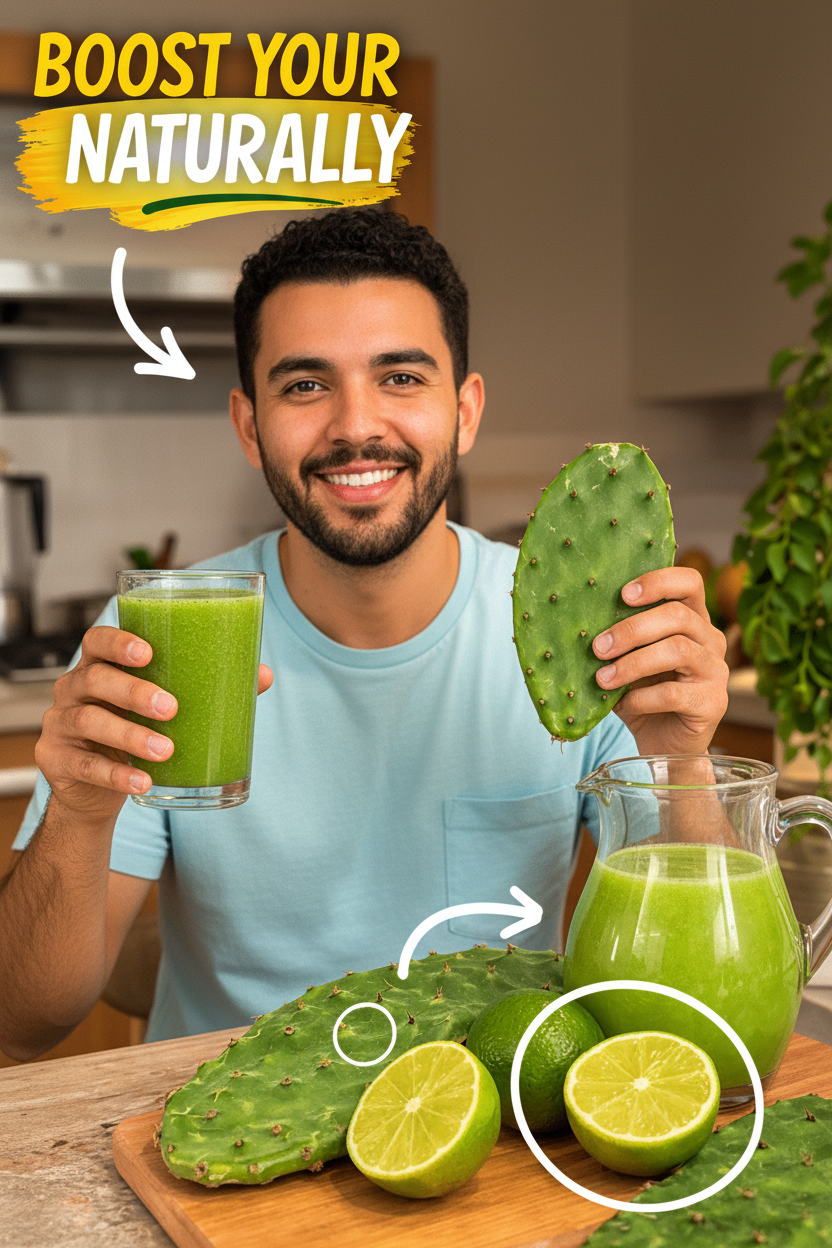
Integrating Nopal into Your Diet: Practical Preparation Methods
For those interested in exploring the health benefits of nopal, begin by sourcing fresh pads from a reputable vendor. It is crucial to meticulously remove all spines and thoroughly rinse the pads before consumption. Below is a straightforward guide for preparing nopal for daily culinary use:
- Opt for fresh, tender young pads, which typically offer a milder taste.
- Carefully use a knife to trim the outer edges and meticulously scrape off any residual spines or tiny, irritating glochids.
- Rinse the cleaned pads thoroughly under cool, running water to remove any remaining debris.
- Proceed to dice or slice the prepared nopal pad according to your recipe’s needs.
- To achieve a softer texture and minimize its characteristic sliminess, boil or grill the nopal pieces for approximately 10-15 minutes.
- Integrate the cooked nopal into various dishes such as vibrant salads, scrambled eggs, or nutritious smoothies.
For a revitalizing green beverage that many find beneficial:
- Combine 1-2 thoroughly cleaned nopal pads with fresh cucumber, a squeeze of lime juice, celery stalks, and water in a high-speed blender.
- For a silkier consistency, you may opt to strain the blended mixture through a fine-mesh sieve.
- Consume this refreshing beverage immediately, ideally before or accompanying a meal, to enjoy its freshest benefits.
These simple methods allow for a natural and accessible way to incorporate prickly pear cactus into your daily routine.
Nopal Pads vs. Prickly Pear Fruit: A Glycemic Comparison
| Aspect | Nopal Pads (Cladodes) | Prickly Pear Fruit |
|---|---|---|
| Fiber Content | Abundant in soluble fiber | Moderate fiber levels |
| Effect on Post-Meal Glucose | Frequently demonstrates reduction in blood sugar spikes (supported by research) | Generally shows less consistent or minimal impact on glucose levels |
| Common Preparation | Typically cooked, grilled, or blended into juices and smoothies | Often consumed raw, or processed into juices and jams |
| Research Focus | Extensive studies concentrating on acute glucose-lowering effects | Primarily investigated for antioxidant properties, with less emphasis on glucose regulation |
| Taste/Texture | Mildly tangy flavor, can be slightly mucilaginous (slimy) when raw | Sweet, succulent, and juicy consistency |
This comparative overview clearly illustrates why the nopal pads are often the primary focus for individuals seeking natural support for blood sugar management.
Responsible Integration: Practical Tips for Nopal Consumption
When introducing nopal into your diet, it is advisable to begin with small portions to carefully observe how your body responds and adapts. For optimal results, always combine nopal with well-balanced meals, rather than relying solely on it as a standalone solution for blood sugar control. Consider consulting a healthcare professional or a registered dietitian, especially if you have existing health conditions or are taking medications, to ensure safe and effective incorporation into your personal health plan.